

These records weren’t made to sound loud. They were made to sound right.
Most modern music is mastered for loudness, often at the expense of nuance. Audiophile recordings go the other way, with wide dynamic range, room to breathe, and details that catch you off guard. So they don’t just sound great, as they remind you why sound matters.
If you want to hear what your system can really do, start here. Ranked by dynamic range and mastering quality, these albums set the standard.
- 1. Donald Fagen - The Nightfly (DR: 16)
- 2. Dire Straits - Brothers in Arms (DR: 16)
- 3. Sting - ...Nothing Like the Sun (DR: 15)
- 4. Michael Jackson - Thriller (DR: 15)
- 5. Fleetwood Mac - Rumours (DR: 15)
- 6. Hugh Masekela - Hope (DR: 15)
- 7. Tracy Chapman - Tracy Chapman (DR: 14)
- 8. Vijay Iyer & Wadada Leo Smith - Defiant Life (DR: 14)
- 9. Steely Dan - Aja (DR: 14)
- 10. Georg Solti - Wagner: Der Ring Des Nibelungen (DR: 14)
- 11. Norah Jones - Come Away With Me (DR: 14)
- 12. Jacky Terrasson - Reach (DR: 14)
- 13. Patricia Barber - Café Blue (DR: 14)
- 14. Black Sabbath - Paranoid (DR: 14)
- 15. Arne Domnérus Et Al. - Jazz at the Pawnshop (DR: 14)
- 16. PJ Harvey - Rid of Me (DR: 14)
- 17. Foreigner - 4 (DR: 14)
- 18. Tears for Fears - Seeds of Love (DR: 13)
- 19. Neil Young - Harvest (DR: 13)
- 20. Yello - Touch Yello (DR: 13)
- 21. Porcupine Tree - Fear of a Blank Planet (2024 Remaster) (DR: 13)
- 22. Leprous - Melodies of Atonement (DR: 13)
- 23. Daft Punk - Random Access Memories (DR: 13)
- 24. Rage Against the Machine - Rage Against the Machine (DR: 13)
- 25. Steven Wilson - Home Invasion: Live at Royal Albert Hall (DR: 13)
- 26. Vijay Iyer Trio - Compassion (DR: 13)
- 27. James Taylor - Sweet Baby James (DR: 13)
- 28. Jennifer Warnes - Famous Blue Raincoat (DR: 13)
- 29. 10,000 Maniacs - MTV Unplugged Expanded Edition (DR: 13)
- 30. King Crimson - Larks' Tongues in Aspic (DR: 13)
- 31. David Crosby - Croz (DR: 13)
- 32. Counting Crows - August and Everything After (DR: 13)
- 33. Gustav Holst - The Planets, Op. 32 (DR: 12)
- 34. Mark Knopfler - Sailing to Philadelphia (DR: 12)
- 35. Alan Parsons Project - I Robot (DR: 12)
- 36. Toto - Toto IV (DR: 12)
- 37. Supertramp - Crime of the Century (DR: 12)
- 38. The Police - Ghost in the Machine (DR: 12)
- 39. Led Zeppelin - Presence (DR: 12)
- 40. Joe Cocker - Mad Dogs and Englishmen (DR: 12)
- 41. Isaac Hayes - Hot Buttered Soul (DR: 12)
- 42. Marvin Gaye - What's Going On (DR: 12)
- 43. Dusty Springfield - Dusty in Memphis (DR: 12)
- 44. The Congos - Heart of the Congos (DR: 12)
- 45. Jellyfish - Spilt Milk (DR: 12)
- 46. Beach Boys - Pet Sounds (DR: 11)
- 47. Pink Floyd - Dark Side of the Moon (DR: 11)
- 48. Nirvana - MTV Unplugged in New York (DR: 9)
- 49. Tom Petty - Wildflowers (DR: 9)
- 50. Björk - Vespertine (DR: 9)
- 1. Donald Fagen - The Nightfly (DR: 16)
- 2. Dire Straits - Brothers in Arms (DR: 16)
- 3. Sting - ...Nothing Like the Sun (DR: 15)
- 4. Michael Jackson - Thriller (DR: 15)
- 5. Fleetwood Mac - Rumours (DR: 15)
- 6. Hugh Masekela - Hope (DR: 15)
- 7. Tracy Chapman - Tracy Chapman (DR: 14)
- 8. Vijay Iyer & Wadada Leo Smith - Defiant Life (DR: 14)
- 9. Steely Dan - Aja (DR: 14)
- 10. Georg Solti - Wagner: Der Ring Des Nibelungen (DR: 14)
- 11. Norah Jones - Come Away With Me (DR: 14)
- 12. Jacky Terrasson - Reach (DR: 14)
- 13. Patricia Barber - Café Blue (DR: 14)
- 14. Black Sabbath - Paranoid (DR: 14)
- 15. Arne Domnérus Et Al. - Jazz at the Pawnshop (DR: 14)
- 16. PJ Harvey - Rid of Me (DR: 14)
- 17. Foreigner - 4 (DR: 14)
- 18. Tears for Fears - Seeds of Love (DR: 13)
- 19. Neil Young - Harvest (DR: 13)
- 20. Yello - Touch Yello (DR: 13)
- 21. Porcupine Tree - Fear of a Blank Planet (2024 Remaster) (DR: 13)
- 22. Leprous - Melodies of Atonement (DR: 13)
- 23. Daft Punk - Random Access Memories (DR: 13)
- 24. Rage Against the Machine - Rage Against the Machine (DR: 13)
- 25. Steven Wilson - Home Invasion: Live at Royal Albert Hall (DR: 13)
- 26. Vijay Iyer Trio - Compassion (DR: 13)
- 27. James Taylor - Sweet Baby James (DR: 13)
- 28. Jennifer Warnes - Famous Blue Raincoat (DR: 13)
- 29. 10,000 Maniacs - MTV Unplugged Expanded Edition (DR: 13)
- 30. King Crimson - Larks' Tongues in Aspic (DR: 13)
- 31. David Crosby - Croz (DR: 13)
- 32. Counting Crows - August and Everything After (DR: 13)
- 33. Gustav Holst - The Planets, Op. 32 (DR: 12)
- 34. Mark Knopfler - Sailing to Philadelphia (DR: 12)
- 35. Alan Parsons Project - I Robot (DR: 12)
- 36. Toto - Toto IV (DR: 12)
- 37. Supertramp - Crime of the Century (DR: 12)
- 38. The Police - Ghost in the Machine (DR: 12)
- 39. Led Zeppelin - Presence (DR: 12)
- 40. Joe Cocker - Mad Dogs and Englishmen (DR: 12)
- 41. Isaac Hayes - Hot Buttered Soul (DR: 12)
- 42. Marvin Gaye - What's Going On (DR: 12)
- 43. Dusty Springfield - Dusty in Memphis (DR: 12)
- 44. The Congos - Heart of the Congos (DR: 12)
- 45. Jellyfish - Spilt Milk (DR: 12)
- 46. Beach Boys - Pet Sounds (DR: 11)
- 47. Pink Floyd - Dark Side of the Moon (DR: 11)
- 48. Nirvana - MTV Unplugged in New York (DR: 9)
- 49. Tom Petty - Wildflowers (DR: 9)
- 50. Björk - Vespertine (DR: 9)
1. Donald Fagen – The Nightfly (DR: 16)
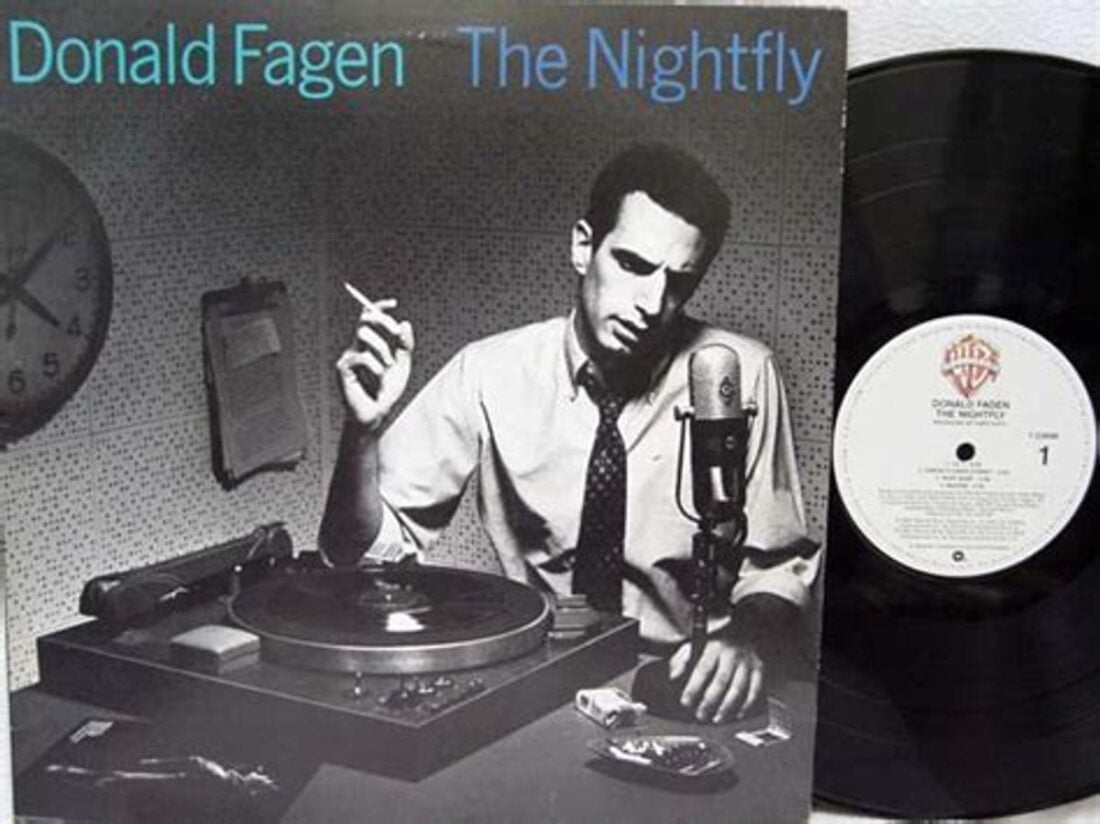
One of the earliest high-profile fully digital pop recordings, The Nightfly still sounds startlingly deliberate. Its charm is not just cleanliness, but how much feel survives inside all that studio control.
“I.G.Y.” shows it best. The bass line moves with snap, the backing vocals sit neatly in the mix, and every keyboard accent lands with purpose. On the Japan pressing, the album’s precision feels polished rather than sterile, which is exactly why it remains an audiophile favorite.
2. Dire Straits – Brothers in Arms (DR: 16)
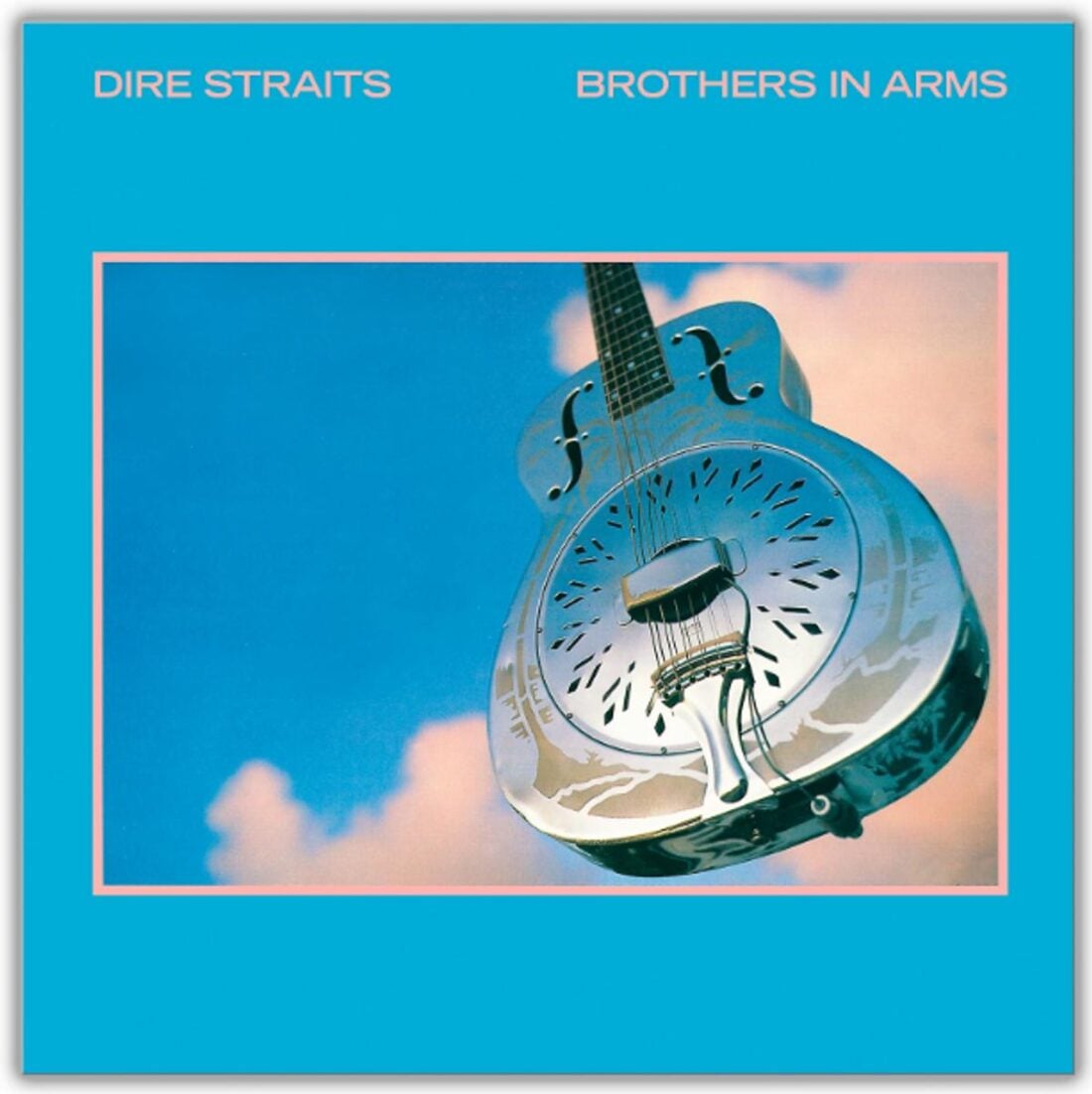
Brothers in Arms helped make fully digital recording sound rich, textured, and cinematic rather than cold. The album still works as a system test because it combines polish with real dynamic ease.
The 1985 CD has a smooth top end, spacious imaging, and less hyped presentation than many later versions. The 1996 remaster is noticeably more compressed, while the 2025 anniversary Blu-ray offers a modern high-resolution route with the 2022 Dolby Atmos mix and 24/96 1985 vinyl-version stereo mix included.
3. Sting – …Nothing Like the Sun (DR: 15)

Sting’s voice carries the album, but the real pleasure is how gracefully everything gathers around it. Gil Evans’s arrangements, the percussion, the guitar lines, and the brass colors all add sophistication without making the record feel crowded.
“Englishman in New York” captures that balance beautifully. The bass has bounce, the soprano sax cuts through with character, and Sting’s vocal stays calm at the center.
4. Michael Jackson – Thriller (DR: 15)

Thriller remains one of pop’s great feats of control. Disco, soul, rock, funk, and R&B all move through the album, yet the best early pressing keeps the production punchy and easy to follow.
The original Japan-for-USA CD makes that discipline obvious. “Billie Jean” locks the bass and kick into a tight groove, while “Wanna Be Startin’ Somethin’” lets percussion, synths, and stacked vocals build without turning into clutter. It is dense pop production with its edges still intact.
5. Fleetwood Mac – Rumours (DR: 15)

Rumours was made under messy circumstances, but the record itself sounds remarkably controlled. The 2011 reissue brings out that contrast clearly: every element feels placed, balanced, and easy to follow.
Buckingham’s guitar work, McVie’s harmonies, and the atmosphere around “Songbird” all come through with analog warmth and an open presentation. Compared with the standard CD, this reissue gives the vocal blends, guitar textures, and reverb tails more room to unfold.
6. Hugh Masekela – Hope (DR: 15)

“Stimela (Coal Train)” is the reason Hope has demo-room legend status. The opening gathers slowly: breath, low pulse, crowd energy, then Masekela’s voice and horn arriving with full physical force.
The 45 RPM Analogue Productions box gives that performance size and drama without making it feel exaggerated. The quiet moments stay tense, the brass rises with authority, and the live setting feels alive rather than merely spacious.
7. Tracy Chapman – Tracy Chapman (DR: 14)

You do not need a rare pressing to hear why this debut belongs here. Tracy Chapman works because its power comes from directness, not studio spectacle.
“Fast Car” carries the whole argument. The guitar has body, the bass supports the song without drawing attention, and Chapman’s voice lands with plainspoken force. The original Elektra CD keeps the recording honest, letting every small change in phrasing feel human instead of dressed up.
8. Vijay Iyer & Wadada Leo Smith – Defiant Life (DR: 14)

What distinguishes this from most ECM piano-and-trumpet sessions is what happens between the notes.
The 24/96 download captures silence that actually sounds silent: black backgrounds between phrases, not room noise or hiss, just space. When Smith’s trumpet enters, the image is placed with such precision that a properly set-up system makes the instrument’s location feel genuinely physical.
Modern jazz rarely reaches this level of dynamic clarity. Wide contour, nuanced low-level detail, and enough range at the top end make most contemporary recordings feel compressed by comparison.
9. Steely Dan – Aja (DR: 14)

Aja is packed with elite players, layered arrangements, and microscopic mix decisions, yet it never feels fussy.
“Black Cow” gives the album away early: the bassline glides, the horns slip in cleanly, and the rhythm section stays locked without sounding stiff. The early Japan-for-USA CD lets that precision breathe, while the 1999 remaster pushes the album closer to ordinary polish.
10. Georg Solti – Wagner: Der Ring Des Nibelungen (DR: 14)

Produced by John Culshaw and conducted by Georg Solti, Decca’s Der Ring Des Nibelungen is often hailed as one of the greatest classical recordings ever made, not only for its musical power but also for its scale and sonic ambition.
The recording treats space as part of the drama: directional placement, scene-specific ambience, and the imposing acoustic character of Vienna’s Sofiensaal all help create a theatrical stereo image that still feels cinematic decades later.
Listen for the brass scale, stage depth, and directional placement. Those are the traits that make this cycle such a useful classical-system test.
11. Norah Jones – Come Away With Me (DR: 14)

There is a reason Come Away With Me became a modern audiophile staple. It is quiet, close, and graceful, but never sleepy when the mastering gives the performances enough shape.
The Classic Records LP lets the album’s small gestures do the work: brushed drums, soft piano, low-key guitar, and Jones’ voice sitting forward without becoming oversized. Its beauty is in restraint. Nothing needs to shout, because the whole record already feels balanced at a whisper.
12. Jacky Terrasson – Reach (DR: 14)

Reach is not just another polite piano-trio record. Terrasson plays with snap and quick turns, while Ugonna Okegwo and Leon Parker keep the music light on its feet.
That agility is what makes the original Blue Note CD so satisfying. Piano notes hit with clean attack, bass lines stay nimble, and Parker’s drumming adds motion without cluttering the trio. The album feels alive because the players keep reacting to each other, not because the recording is trying to sound impressive.
13. Patricia Barber – Café Blue (DR: 14)

Café Blue earns its reputation through control, not drama. Barber’s voice sits low and smoky, while the band leaves just enough room for every cymbal fade, bass note, and piano chord to matter.
The Impex 1-Step reissue sharpens that late-night tension without turning it glossy. “Nardis” and “Too Rich for My Blood” show why this album keeps returning to audiophile rooms: the music feels spare, deliberate, and quietly dangerous.
14. Black Sabbath – Paranoid (DR: 14)

Paranoid might not seem like an obvious audiophile pick, but the 2025 Rhino vinyl makes the case clearly. The Kevin Gray cut gives this heavy classic more headroom than most widely available CD pressings.
Iommi’s riffs hit hard, but without bloat. The drum kit carries genuine impact without the compression that louder reissues imposed. Osbourne’s vocal sits in the midrange with clarity rather than being buried in the dense mix.
15. Arne Domnérus Et Al. – Jazz at the Pawnshop (DR: 14)

This one became audiophile folklore because it sounds less like a recording and more like being dropped into Stockholm’s Stampen Jazz Club. On Jazz at the Pawnshop, the clinking glasses and murmuring crowd are not decorations. They are part of the spell.
The original Proprius LP keeps the band relaxed and immediate, with the club sounds sitting naturally around the performance. Its charm is not perfection, but the feeling that the room, the audience, and the musicians were all captured at once.
16. PJ Harvey – Rid of Me (DR: 14)

Steve Albini doesn’t do gloss, and that’s exactly what makes Rid of Me hit so hard. The sound is physical and immediate, like you’re trapped in the room while PJ Harvey tears the place apart.
You can practically feel the amp hum and the air rattle during those explosive moments. Use the title track to test whether your system can handle sudden jumps in volume without hardening the guitars or flattening Harvey’s vocal.
17. Foreigner – 4 (DR: 14)

You know the hits, but you might not expect just how good 4 sounds, especially on the HDtracks 24/96 version.
That release gives the album standout clarity, tonal balance, and the kind of punchy low end you would not necessarily associate with early ’80s arena rock. Big choruses hit hard, but quieter moments like “Girl on the Moon” still breathe easily.
The sax solo in “Urgent” is a useful tweeter test: it should cut through cleanly without turning sharp or glassy.
18. Tears for Fears – Seeds of Love (DR: 13)

This is where pop ambition meets studio perfectionism. The original CD preserves the subtlety and depth that later remasters, especially the 2020 reissue, tend to smooth over with added loudness and compression.
“Woman in Chains” alone is worth the price of admission. Phil Collins on drums, Orzabal and Smith in peak vocal form, and a soundstage that unfolds in every direction.
19. Neil Young – Harvest (DR: 13)
Harvest works because it does not try to overwhelm you. The performances are plainspoken, warm, and close, with enough space around the acoustic instruments for the songs to feel lived-in rather than dressed up.
The 2011 Reprise/Because Sound Matters vinyl reissue gives Harvest the space it needs. You can hear the room, the strings, and the air around the acoustic instruments, which is exactly what this stripped-down recording needs to work. It is intimate and warm without turning soft.
20. Yello – Touch Yello (DR: 13)

If you’re testing for soundstage, imaging, or how far your speakers can vanish into a room, Touch Yello is essential.
Originally released on Polydor, this meticulously crafted 2009 album from the Swiss duo is sleek, atmospheric, and clearly designed with critical listening in mind.
Spoken-word passages hover with eerie precision, synth textures drift through the stereo field like scenery, and deep bass swells roll in with cinematic weight. Try “The Expert” or “Tangier Blue” to test depth, image placement, and how convincingly your speakers disappear into the room.
21. Porcupine Tree – Fear of a Blank Planet (2024 Remaster) (DR: 13)

Steven Wilson’s prog-rock project has always had one foot in audiophile territory, and the 2024 remaster of Fear of a Blank Planet makes that case clearly.
Where many remasters chase loudness, this one restores headroom. The album is a strong full-range test: dense layering that doesn’t smear, guitar dynamics that shift from clean to crushing without losing shape, and a low end that demands proper speaker extension and room control.
22. Leprous – Melodies of Atonement (DR: 13)

Progressive metal rarely earns a place on a mastering-quality list, but Melodies of Atonement does.
The Blu-ray Dolby Atmos TrueHD 24/48 edition shows how much space and dynamic shaping Leprous builds into the album. The mix lets instruments occupy their own zones without crowding, while the arrangements move from near-silence to full-band crescendos with clear separation.
On a properly set-up system, the separation should remain clear even as the music grows heavier.
23. Daft Punk – Random Access Memories (DR: 13)

Daft Punk set out to make a love letter to the golden age of studio recording, and the care shows. The album favors real instrumental texture, spacious arrangements, and a level of polish that feels deliberate rather than sterile.
The sound is big, open, and alive with detail. Guitars breathe, synths sparkle, and the groove hits hard without ever feeling crowded.
24. Rage Against the Machine – Rage Against the Machine (DR: 13)

Yes, it’s loud and angry. But what sets this debut apart is how clean and uncompressed it sounds while throwing punches.
The original 1992 CD release lets every snare crack and guitar squeal land with visceral clarity. There’s zero bloat in the mix, just lean, focused instrumentation and vocals that hit like a protest chant in a concrete bunker.
The test is whether the low end stays tight while the snare, guitar, and vocal all hit at once.
25. Steven Wilson – Home Invasion: Live at Royal Albert Hall (DR: 13)

Leave it to Steven Wilson to make a live album sound like a studio masterclass. Home Invasion is crisp, spacious, and astonishingly well-balanced, especially for a performance recorded in the notoriously tricky Royal Albert Hall.
Wilson handled the audio mixing himself, and the high-resolution stereo and 5.1 surround mixes show the same precision he brings to his studio work.
Use the busier passages to check whether synths, cymbal wash, and guitar runs stay separated inside the hall ambience.
26. Vijay Iyer Trio – Compassion (DR: 13)

Compassion has the quiet confidence of musicians who do not need to fill every gap. Vijay Iyer, Linda May Han Oh, and Tyshawn Sorey move with patience, letting rhythm and restraint do most of the talking.
The lossless download lets that interplay come through clearly. Oh’s bass feels firm and expressive, Sorey’s cymbal work adds tension without flash, and Iyer’s piano phrases land with weight. It is a modern trio record that rewards attention rather than demanding it.
27. James Taylor – Sweet Baby James (DR: 13)

Proof you don’t need flashy production to make something sound great. Sweet Baby James was recorded quickly and simply, and it works.
The original Warner Bros. LP preserves the warm, natural character of Taylor’s voice and fingerpicking. On the right system, he sounds close enough to touch.
28. Jennifer Warnes – Famous Blue Raincoat (DR: 13)

Audiophiles return to Famous Blue Raincoat because it treats the voice like the main event without turning the music into a vocal showcase. Jennifer Warnes sings Leonard Cohen’s songs with control, patience, and just enough ache.
The Cisco LP gives her delivery a striking sense of presence. Consonants stay clean, breath sounds feel human, and the arrangements support the vocal without wrapping it in too much polish.
Its beauty comes from emotional restraint, not studio spectacle.
29. 10,000 Maniacs – MTV Unplugged Expanded Edition (DR: 13)

Long before Nirvana made MTV Unplugged a cultural landmark, 10,000 Maniacs delivered one of the format’s most sonically pristine performances.
The 2024 reissue brings a freshly restored presentation to this underrated live gem. Natalie Merchant’s voice floats in a naturally spacious acoustic field, with every guitar pluck and brushed snare rendered with quiet, unfussy clarity.
The believable staging and natural transient behavior make it a more revealing listen than many polished studio productions of the era.
30. King Crimson – Larks’ Tongues in Aspic (DR: 13)

Not your average prog rock outing. Larks’ Tongues in Aspic feels like an experiment in tension and release: unusual time signatures, angular guitars, and eerie quiet sections that explode without warning.
The EG Editions CD keeps the rawness intact, letting every cymbal tap and percussive burst land with clarity. Later remasters clean up some of the murk and improve imaging, but with noticeably more compression.
31. David Crosby – Croz (DR: 13)

Croz sounds like a late-career record made by someone who still cared deeply about tone. Crosby’s voice has age in it, but the production never tries to smooth that away.
The 24-bit/96kHz HDtracks release gives the album enough room for its harmonies, guitar lines, and guest appearances to settle naturally. Mark Knopfler and Wynton Marsalis appear without turning the record into a showpiece.
The result feels refined, personal, and quietly exacting.
32. Counting Crows – August and Everything After (DR: 13)

August and Everything After works because Adam Duritz never sounds polished into someone else. His voice cracks, pushes, and drags emotion through songs that slowly gather force.
The Analogue Productions SACD makes the band’s rise and fall easier to feel. “Round Here” starts with exposed tension, then opens up without losing its uneasy mood.
“Anna Begins” then carries the same pull, with guitars, drums, and vocal grit building into something bigger without turning thick.
33. Gustav Holst – The Planets, Op. 32 (DR: 12)

Holst: The Planets, performed by Zubin Mehta and the Los Angeles Philharmonic for Decca, earns its place through scale and color. This version makes the orchestra feel huge without turning the recording into blunt spectacle.
“Mars” has the menace and brass weight people expect, but “Neptune” may be even more revealing. Its fading choir and delicate textures show how much atmosphere this Decca recording captures after the big moments have passed.
34. Mark Knopfler – Sailing to Philadelphia (DR: 12)

Knopfler’s playing has always had a kind of effortless precision, and this album captures it with quiet confidence.
The HDtracks 24-bit/96kHz version adds subtle warmth and a bit more air around his guitar and vocals than the standard CD. That matters on a record this restrained, where texture and tone do most of the work.
The production leans into that restraint, whether Knopfler is veering into jazz, brushing up against country, or sticking with the rootsy rock he’s known for.
35. Alan Parsons Project – I Robot (DR: 12)

Alan Parsons was already a legend behind the board when he made I Robot, and this album proves why.
The original 1977 Arista LP preserves the deep, cinematic scale Parsons was aiming for. Packed with early analog synths, ultra-wide stereo panning, and laser-etched imaging, the album plays like audio theater for the ears.
36. Toto – Toto IV (DR: 12)

Behind the hits is a wall of studio precision. Toto IV may be remembered for “Africa” and “Rosanna,” but audiophiles admire it for Al Schmitt’s engineering and pristine balance.
The Japanese 35DP-12 CD captures that balance well. The album’s dense arrangements stay clean and dimensional, with enough separation for the backing vocals, horn stabs, and synth accents to remain easy to place.
37. Supertramp – Crime of the Century (DR: 12)

Back in the day, this was the album that sold more hi-fi gear than some catalogs. “Bloody Well Right” alone could make speakers sing or expose their flaws.
The original UK A&M vinyl delivers the punch and openness this album needs. Use the Wurlitzer intro of “Bloody Well Right” to test dynamic build, midrange clarity, and whether the low end stays controlled as the track opens up.
38. The Police – Ghost in the Machine (DR: 12)

Ghost in the Machine sounds sleek without losing the nervous energy that made The Police so sharp. Sting’s bass lines stay springy, Stewart Copeland’s drumming keeps darting around the beat, and the synth layers add color without softening the band’s edge.
The original A&M CD keeps that lean character intact. Later remasters push the album louder, but this version lets the groove stay quick, dry, and tense. It is polished pop-rock that still moves like a live rhythm section.
39. Led Zeppelin – Presence (DR: 12)

Presence doesn’t usually top the list of Zeppelin fan favorites, but for audiophiles, it’s a bit of a secret weapon.
The early Japanese CD pressing in Atlantic’s 32XD series preserves the full dynamic swing without sweetening things up. That’s important because this mix is dry and stripped to the bone: no layered overdubs, no mystique, just the band locked in and playing hard.
“Achilles Last Stand” is the centerpiece. Use it to test whether the drums, bass, and layered guitars stay locked together without turning into a hard midrange blur.
40. Joe Cocker – Mad Dogs and Englishmen (DR: 12)

Live albums can be a mess, especially when you’re wrangling a huge band on one stage. Mad Dogs and Englishmen works because the recording keeps that sprawl energetic without letting it collapse into clutter.
The 2005 Deluxe Edition captures that organized chaos with surprising clarity. It expands the original tracklist while keeping the mix clean, energetic, and faithful to the performance.
41. Isaac Hayes – Hot Buttered Soul (DR: 12)

Isaac Hayes turned soul into something slow, cinematic, and almost hypnotic on Hot Buttered Soul. The album does not rush its drama. It lets strings, fuzz guitar, bass, and voice stretch until the songs feel massive.
The Mobile Fidelity Sound Lab hybrid SACD gives “Walk On By” the scale it deserves. Hayes’ vocal stays grounded while the arrangement keeps expanding around him. That gradual build is the whole thrill: heavy, patient, and grand without becoming muddy.
42. Marvin Gaye – What’s Going On (DR: 12)

The album runs continuously, with tracks blending into each other and moods shifting without hard breaks. That structure demands a version that keeps tonal balance consistent from moment to moment.
The open soundstage needs to stay open, the layered harmonies need to remain distinct, and the gentle dynamics should not flatten under compression.
The important test is consistency: the harmonies, congas, strings, and bass should stay balanced as the album moves from one song into the next.
43. Dusty Springfield – Dusty in Memphis (DR: 12)

Dusty’s voice is the reason this record still stops people cold. She sounds magnetic, vulnerable, and perfectly placed in the mix, with just enough restraint to make every shift in phrasing matter.
The Analogue Productions 45rpm 2LP gives that voice the space it deserves, as it’s rich, spacious, and full of subtle detail.
44. The Congos – Heart of the Congos (DR: 12)

You would not expect a roots reggae album shaped inside Lee “Scratch” Perry’s Black Ark studio to become an audiophile favorite, but Heart of the Congos has a strange pull. It sounds earthy, haunted, and handmade.
The 1996 Blood and Fire CD brings focus to the haze without cleaning away the mystery. Falsetto harmonies float over deep bass, hand percussion, and dub effects that seem to appear from the walls. Its beauty comes from atmosphere as much as fidelity.
45. Jellyfish – Spilt Milk (DR: 12)

Every flourish, harmony, and timpani roll on Spilt Milk was placed with obsession-level care. The original 1993 CD already sounded impressively clean for a dense pop production of the time.
That matters because this album could have collapsed into a wall of sound. Instead, the mix opens up into a sonic kaleidoscope, with stacked harmonies, percussion, strings, and power-pop hooks staying surprisingly easy to follow.
46. Beach Boys – Pet Sounds (DR: 11)

Brian Wilson didn’t just emulate Phil Spector’s wall of sound. He reimagined it with greater clarity and emotional depth. Pet Sounds is a masterclass in mono production: densely layered, but still remarkably open when the right version is in play.
The 1993 DCC Compact Classics CD treats the original mono mix with care, keeping the stacked vocals, percussion, bass, and orchestral color intact without letting them blur into mush.
On a resolving system, the mono image should feel dense but organized, with the vocals, percussion, bass, and orchestral colors concentrated rather than smeared.
47. Pink Floyd – Dark Side of the Moon (DR: 11)

Dark Side of the Moon is familiar enough to feel overused, but the Japanese “Black Triangle” CD reminds you why it became the default audiophile showpiece in the first place.
The heartbeat in “Speak to Me” has weight, the clocks in “Time” explode without turning harsh, and the cash-register loop in “Money” moves with playful precision. Even the transitions matter.
This version keeps the album’s effects dramatic without making them feel like studio tricks.
48. Nirvana – MTV Unplugged in New York (DR: 9)

Forget the amps. This set proved just how powerful Nirvana’s songs were in their rawest form.
What makes the original 1994 DGC CD work so well is how little it gets in the way. Cobain’s vocals move from whispery fragility to full-throated anguish, while the room stays present around him: subtle mic bleed, acoustic-string decay, and enough natural space to make the performance feel painfully close.
A resolving headphone rig or revealing stereo setup should make the room tone, acoustic-string decay, and vocal shifts feel close without polishing away the rough edges.
49. Tom Petty – Wildflowers (DR: 9)

The dynamic range here is modest, and that’s not a problem. Wildflowers doesn’t demonstrate what your system can do with wide peak-to-floor contrast. It tests whether your system can make a simple recording feel alive: warm guitars, lived-in drums, and a vocal with just enough grit to be real.
Rick Rubin’s stripped-down production keeps everything direct and unvarnished, and the original 1994 CD preserves that directness without pushing the album into artificial polish.
50. Björk – Vespertine (DR: 9)

Vespertine turns small sounds into something strangely intimate. Music boxes, clicks, soft electronics, choirs, and close vocals all gather around Björk without making the album feel crowded.
The original 2001 CD keeps the textures tactile. Tiny details flicker at the edges, but the emotional center is still her voice: fragile, close, and human inside all the digital construction. That balance is what makes the album more than a detail showcase.