

The list spans classic rock, metal, prog, and studio landmarks with serious replay value.
Clean production gets blamed when rock sounds too controlled, but the real problem is usually the mix choices behind it. Push every part too hard, and the song can lose shape fast. Give the instruments space, and the same polish can make the drums hit harder, the guitars cut cleaner, and the vocals feel more present.
We surveyed our audience to find albums that get this balance right. The picks below range from arena rock to prog, metal, and classic studio landmarks, but they all use clarity in a way that supports the performance.
Here are the 20 albums audiophiles voted for.
- 1. Brothers in Arms - Dire Straits (9.61% of Votes)
- 2. Boston - Boston (8.23% of Votes)
- 3. Rage Against the Machine - Rage Against the Machine (7.24% of Votes)
- 4. The Turn of a Friendly Card - The Alan Parsons Project (7.07% of Votes)
- 5. 90125 - Yes (6.91% of Votes)
- 6. Moving Pictures - Rush (6.63% of Votes)
- 7. Hysteria - Def Leppard (6.41% of Votes)
- 8. Amused to Death - Roger Waters (6.13% of Votes)
- 9. Machine Head - Deep Purple (5.91% of Votes)
- 10. Abacab - Genesis (4.97% of Votes)
- 11. English Settlement - XTC (4.53% of Votes)
- 12. Highway to Hell - AC/DC (4.31% of Votes)
- 13. Animals - Pink Floyd (3.87% of Votes)
- 14. Ghost Reveries - Opeth (3.48% of Votes)
- 15. Fear Inoculum - Tool (3.15% of Votes)
- 16. Love - The Cult (2.93% of Votes)
- 17. Abbey Road - The Beatles (2.71% of Votes)
- 18. Breakfast in America - Supertramp (1.93% of Votes)
- 19. Agents of Fortune - Blue Öyster Cult (1.66% of Votes)
- 20. Hemispheres - Rush (1.33% of Votes)
- 1. Brothers in Arms - Dire Straits (9.61% of Votes)
- 2. Boston - Boston (8.23% of Votes)
- 3. Rage Against the Machine - Rage Against the Machine (7.24% of Votes)
- 4. The Turn of a Friendly Card - The Alan Parsons Project (7.07% of Votes)
- 5. 90125 - Yes (6.91% of Votes)
- 6. Moving Pictures - Rush (6.63% of Votes)
- 7. Hysteria - Def Leppard (6.41% of Votes)
- 8. Amused to Death - Roger Waters (6.13% of Votes)
- 9. Machine Head - Deep Purple (5.91% of Votes)
- 10. Abacab - Genesis (4.97% of Votes)
- 11. English Settlement - XTC (4.53% of Votes)
- 12. Highway to Hell - AC/DC (4.31% of Votes)
- 13. Animals - Pink Floyd (3.87% of Votes)
- 14. Ghost Reveries - Opeth (3.48% of Votes)
- 15. Fear Inoculum - Tool (3.15% of Votes)
- 16. Love - The Cult (2.93% of Votes)
- 17. Abbey Road - The Beatles (2.71% of Votes)
- 18. Breakfast in America - Supertramp (1.93% of Votes)
- 19. Agents of Fortune - Blue Öyster Cult (1.66% of Votes)
- 20. Hemispheres - Rush (1.33% of Votes)
1. Brothers in Arms – Dire Straits (9.61% of Votes)
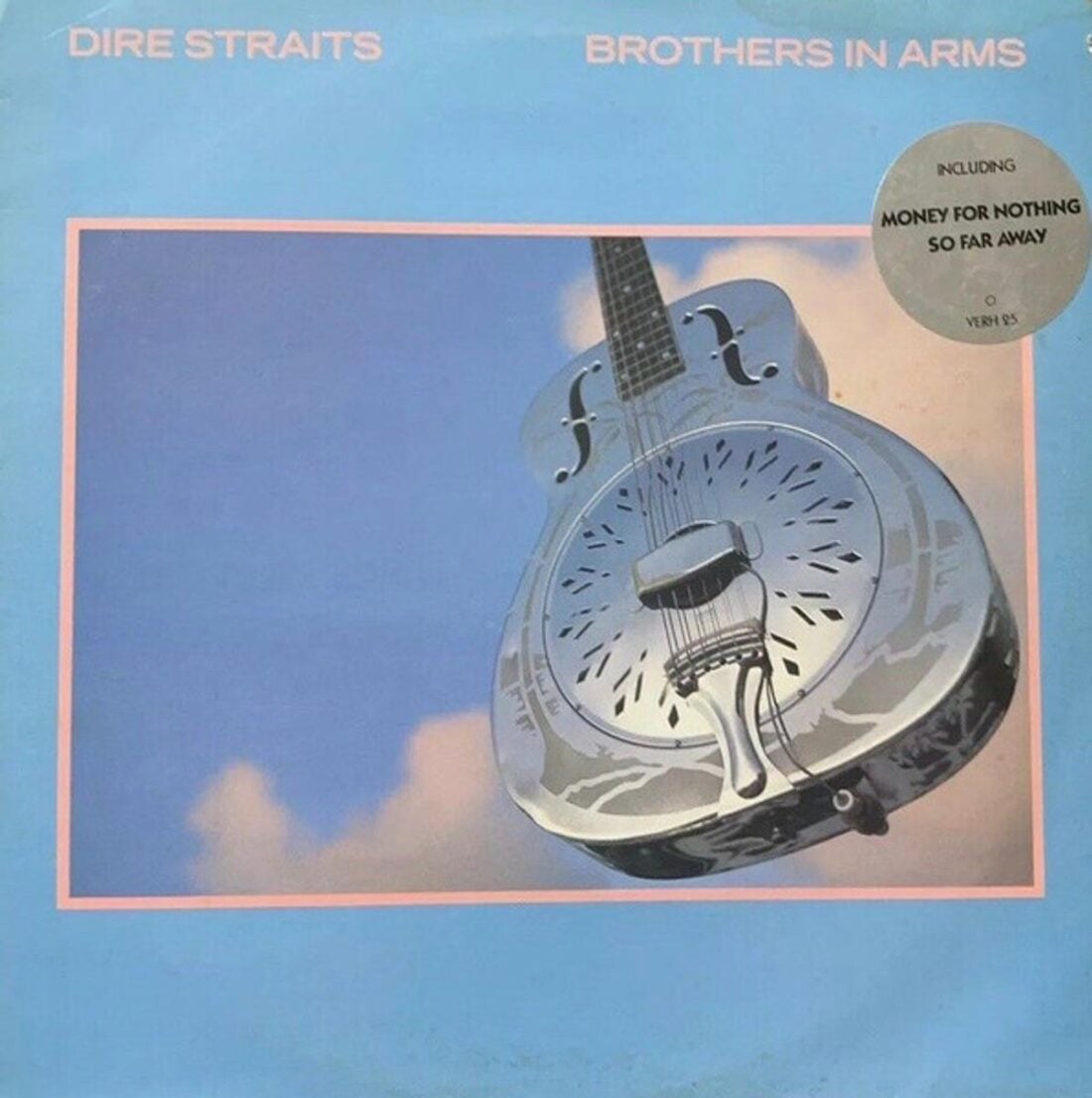
Recorded on one of the era’s early digital systems, Brothers in Arms avoids the brittle edge that marked some mid-1980s rock records.
Mark Knopfler’s guitar sits close enough to hear the pick attack, but the mix still leaves space around the drums, bass, and keyboards. Quieter passages do not feel empty. They give the album room to stretch before the bigger choruses and guitar lines arrive.
Songs like “Money for Nothing” and “Ride Across the River” show why the album became a system-demo favorite. The stereo image feels wide, the low end stays controlled, and the quieter details remain easy to follow without softening the impact.
2. Boston – Boston (8.23% of Votes)

Tom Scholz famously built much of Boston in his home studio. Even so, the finished album rivals recordings made in major facilities.
The stacked guitars are huge, but they do not swallow Brad Delp’s vocals. Scholz’s layered parts give the songs their glossy lift, while the bass and drums keep the arrangements grounded.
Despite its polish, the record still moves like arena rock. “More Than a Feeling” works because the guitars, harmonies, and rhythm section hit together instead of blurring into one oversized wall.
3. Rage Against the Machine – Rage Against the Machine (7.24% of Votes)

This debut captures the intensity of a live band, yet never skimps on detail. The recording is uncluttered, allowing every performance to speak for itself.
Tim Commerford’s bass hits with real weight. Brad Wilk’s drums remain powerful. Tom Morello’s guitar effects cut through without overwhelming the mix. Their instruments stay distinct even during the loudest moments.
That separation makes the album hit harder. When the band locks into tracks like “Killing in the Name” and “Bombtrack,” the mix keeps the attack sharp enough for the riffs and rhythm section to land with full force.
4. The Turn of a Friendly Card – The Alan Parsons Project (7.07% of Votes)

Parsons built his reputation on recordings that rewarded careful listening. The Turn of a Friendly Card is no exception.
Dense arrangements do not come across as crowded. Keyboards, guitars, orchestral elements, and vocals each occupy a clear place in the mix. The sound feels spacious rather than busy.
Its smoothness comes from control, not softness. The title suite moves through layered vocals, melodic bass lines, and polished instrumental passages without losing shape.
Even the most arranged moments feel easy to follow because the production keeps each part in its own lane.
5. 90125 – Yes (6.91% of Votes)

90125 embraced new technology without letting it take over the songs. Produced by Trevor Horn, the album combines layered guitars, synthesizers, programmed touches, and sharp vocal arrangements into a sound that still feels tightly organized.
The bass is easy to track, even when the percussion and keyboards are busy. “ Owner of a Lonely Heart” works because the big drum hits, guitar stabs, and vocal hooks all land in clearly defined spaces instead of crowding the center.
That careful layout gives the album its punch. The production sounds unmistakably 1980s, yet the songs still have enough snap and forward motion to avoid feeling trapped in studio gloss.
6. Moving Pictures – Rush (6.63% of Votes)

This is another one of those albums where the quiet moments feel just as important as the louder ones. The production leaves plenty of dynamic range intact. It’s no surprise Moving Pictures remains a staple for both audiophiles and rock fans in general.
Geddy Lee’s bass lines stay nimble, Neil Peart’s drums have snap and scale, and Alex Lifeson’s guitar cuts through without crowding the center of the mix.
Tracks like “Tom Sawyer” and “Limelight” still feel immediate because the band can shift from tight verses into wider choruses without the mix turning congested.
7. Hysteria – Def Leppard (6.41% of Votes)
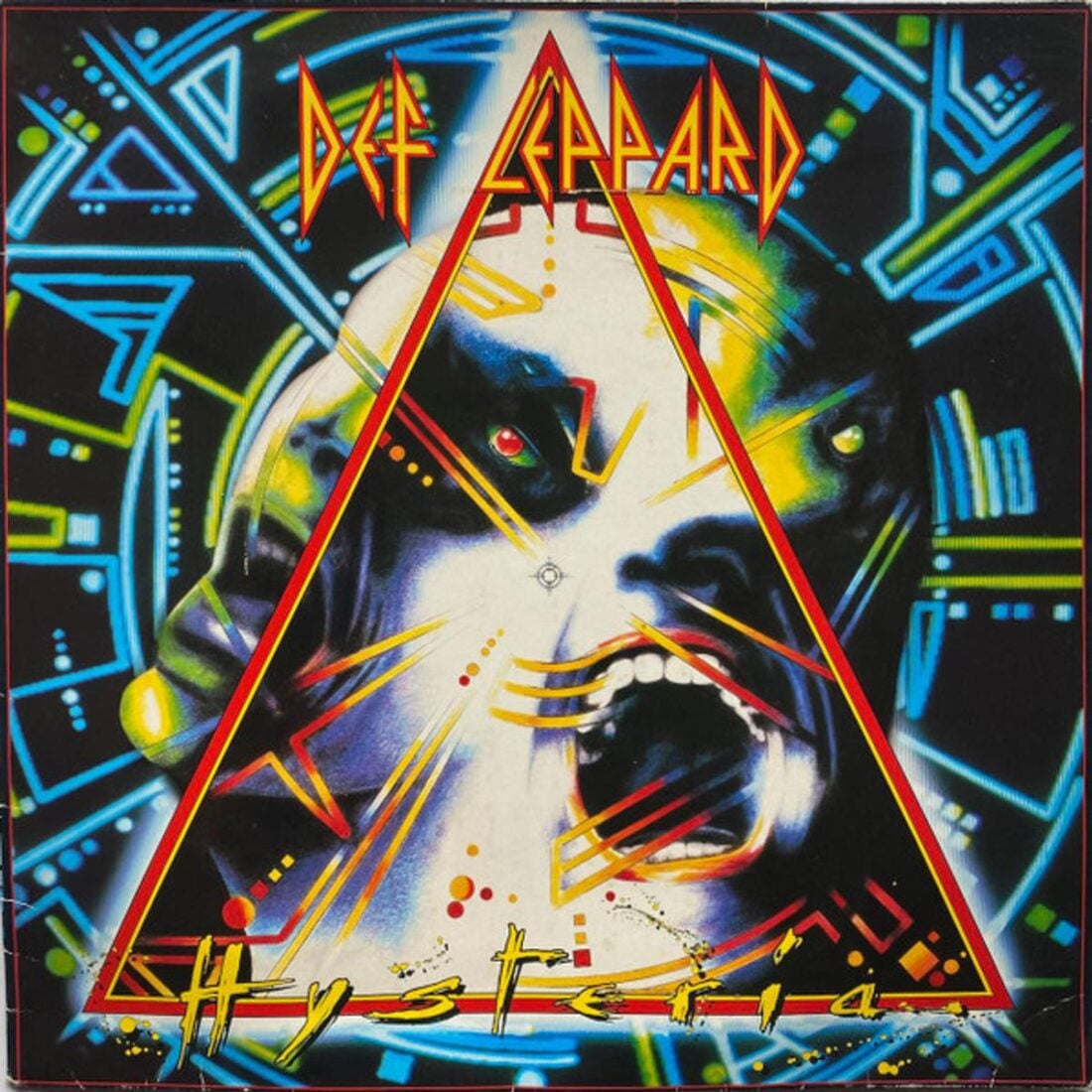
Rock albums rarely sound as pristine as Hysteria. Producer Robert John “Mutt” Lange spent years refining every vocal harmony, guitar layer, and drum part. All those carefully assembled pieces come together to create a unified sonic experience.
That level of detail could have made the album feel sterile, but the songs retain their momentum from start to finish. Expect massive choruses and infectious rhythms. No wonder iconic tracks like “Pour Some Sugar on Me” and “Animal” have a lasting appeal.
8. Amused to Death – Roger Waters (6.13% of Votes)
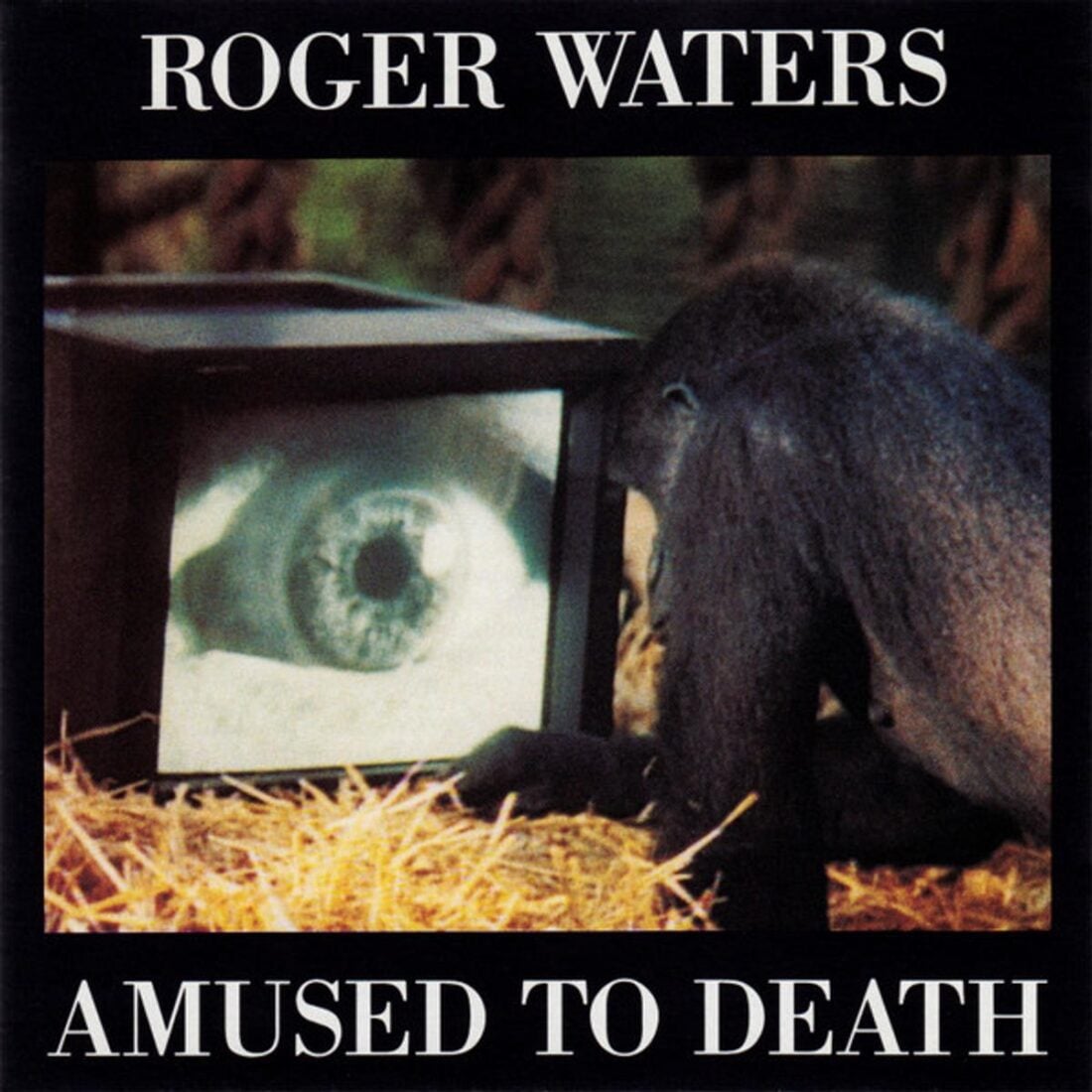
Roger Waters took a cinematic approach to Amused to Death. Mixed with QSound processing, the album places voices and instruments well beyond the speakers on a properly positioned stereo system. Instead of gimmicky, the effect feels immersive.
At the same time, the recording preserves strong dynamics and natural-sounding instruments. Emotional moments land, and the production serves the album’s themes without distracting from them. Even now, this is one of the most impressive demonstrations of spatial audio ever released in stereo.
9. Machine Head – Deep Purple (5.91% of Votes)

Recorded inside the Grand Hotel in Montreux using the Rolling Stones Mobile Studio, Machine Head captures a band performing with exceptional focus.
The album’s strength is its directness. Ian Paice’s drums hit hard, Roger Glover’s bass keeps the songs moving, and the guitar-organ interplay between Ritchie Blackmore and Jon Lord stays clear without sounding overly polished.
On classics like “Smoke on the Water,” the riff carries more weight because it does not have to fight the rest of the band.
10. Abacab – Genesis (4.97% of Votes)

With Abacab, Genesis embraced a leaner sound while taking advantage of new studio techniques that were emerging in the early 1980s. Phil Collins’ drums are immediate, the keyboards stay crisp, and the guitars never get buried in the mix.
The album has less of the thick progressive sprawl of earlier Genesis records, which gives the rhythm section more space to drive the songs. Even its more experimental moments feel controlled because the arrangements are trimmed down enough for the drums, synths, and vocal lines to carry the weight.
11. English Settlement – XTC (4.53% of Votes)

English Settlement is a great example of how detailed production can sound warm and inviting. Acoustic and electric guitars each have their own place, while the bass and drums provide a steady foundation without overpowering the mix.
The album also makes excellent use of space, giving quieter passages a chance to breathe.
On “Senses Working Overtime,” for instance, the strummed guitars, nervous rhythm, and layered vocals all stay readable, so the song feels busy without turning cluttered. It’s the kind of record that reveals more with each play.
12. Highway to Hell – AC/DC (4.31% of Votes)

AC/DC are at their most assured on Highway to Hell. The production gives the band a more focused sound while keeping the guitars sharp and Bon Scott’s voice right at the front.
Angus and Malcolm Young’s rhythm work has more definition than on the earlier records, and the drums hit with a tighter, more radio-ready punch. The songs sound bigger without turning glossy, which is why the title track still feels direct instead of dressed up.
13. Animals – Pink Floyd (3.87% of Votes)

Unlike many albums on this list, Animals isn’t built around sparkling clarity. Its original mix is intentionally dark and brooding to suit the album’s themes.
That said, the recording is well balanced. Every instrument has space to develop, and the long compositions never confuse listeners. The production creates tension through dynamics rather than constant loudness, making each shift in intensity feel significant.
The 2018 remix, released in 2022, offers a cleaner presentation with greater detail. You might prefer it if you crave a more modern sound.
14. Ghost Reveries – Opeth (3.48% of Votes)

Modern metal can fall victim to overly compressed production. Ghost Reveries, not so much.
Heavy riffs, acoustic passages, and shifting vocals coexist without fighting for space. The transitions between quiet and aggressive sections feel natural because the album preserves its dynamic range.
When the heavier parts arrive, the guitars have weight, the drums still breathe, and Mikael Åkerfeldt’s clean and harsh vocals remain easy to place in the mix.
15. Fear Inoculum – Tool (3.15% of Votes)

Fear Inoculum shows what modern rock production can achieve when loudness isn’t the priority.
Long songs unfold gradually, giving Danny Carey’s drums, Justin Chancellor’s bass, Adam Jones’ guitar layers, and Maynard James Keenan’s vocals enough space to build tension. The recording lets small details sit inside the grooves without pulling attention away from the larger crescendos.
By the time the songs reach their peaks, the impact comes from patience rather than constant density. The album rewards close listening because the mix gives each section room to gather force.
16. Love – The Cult (2.93% of Votes)

Post-punk atmosphere meets hard rock power on Love. The album’s production gives both sides enough room to work.
Billy Duffy’s layered guitars sound rich without burying the rhythm section, while Ian Astbury’s vocals stay expressive and upfront. On “She Sells Sanctuary,” the mix keeps the shimmer, drive, and vocal drama in view at the same time, so the song can build without turning hazy.
17. Abbey Road – The Beatles (2.71% of Votes)
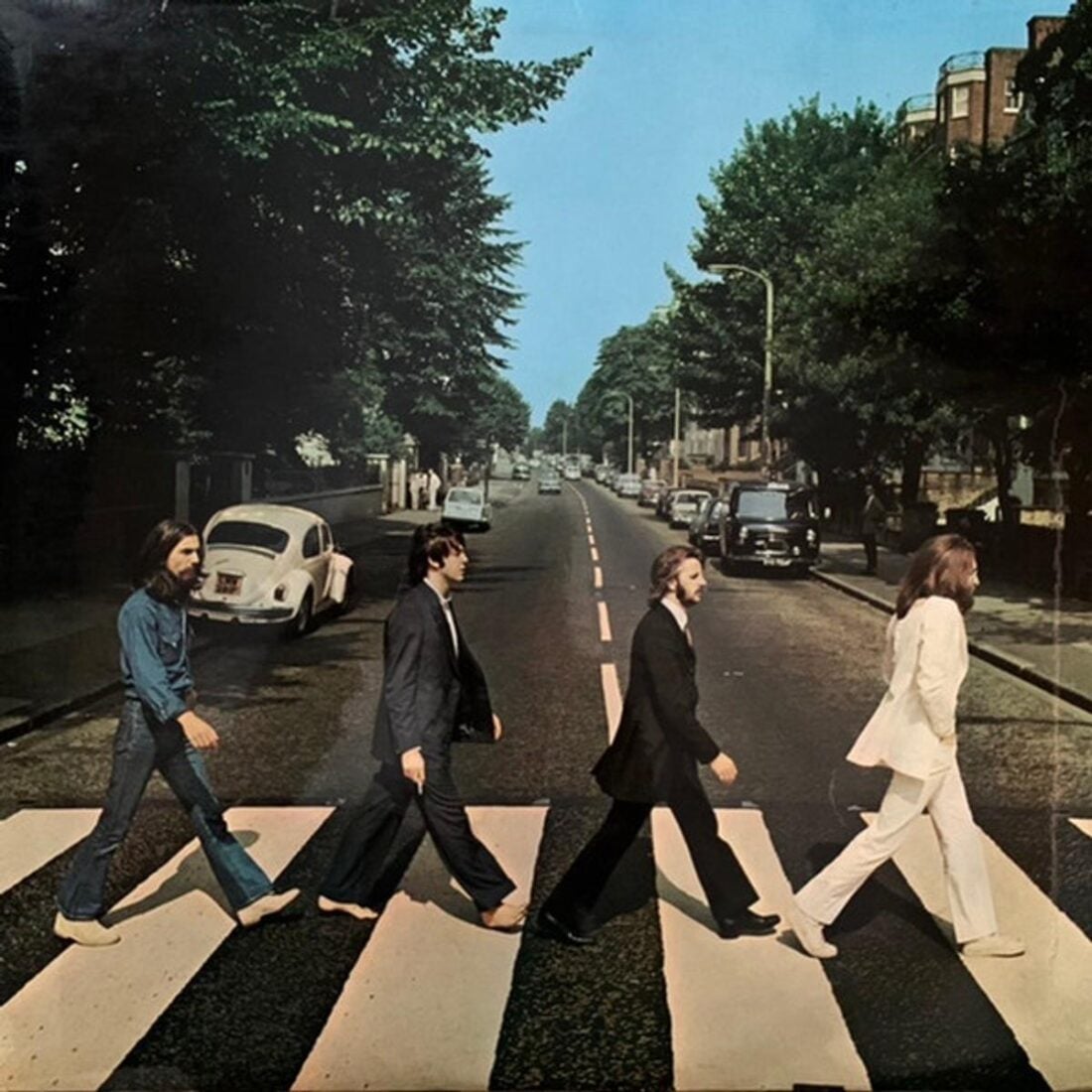
Abbey Road remains one of the clearest examples of sophisticated production serving great songwriting. Mixed and released as a stereo-first Beatles album, it captures the band with unusual balance and detail.
Paul McCartney’s bass lines are full and articulate, the vocal harmonies lock together cleanly, and the guitars have enough bite without crowding the arrangements. Side two’s medley also shows how polished studio work can guide a record’s momentum, with each section flowing into the next without sounding stitched together.
18. Breakfast in America – Supertramp (1.93% of Votes)

Few albums balance precision and personality as well as Breakfast in America. While the production is tight, every instrument feels alive. Piano, saxophone, guitars, and layered vocals all have their own place in the mix, making even the busiest arrangements sound effortless.
The rhythm section provides plenty of punch, while the album’s crisp presentation helps bring out the small details hidden throughout the songs. It’s an easy record to enjoy casually, sure. It’s also one that shines on a revealing system.
19. Agents of Fortune – Blue Öyster Cult (1.66% of Votes)
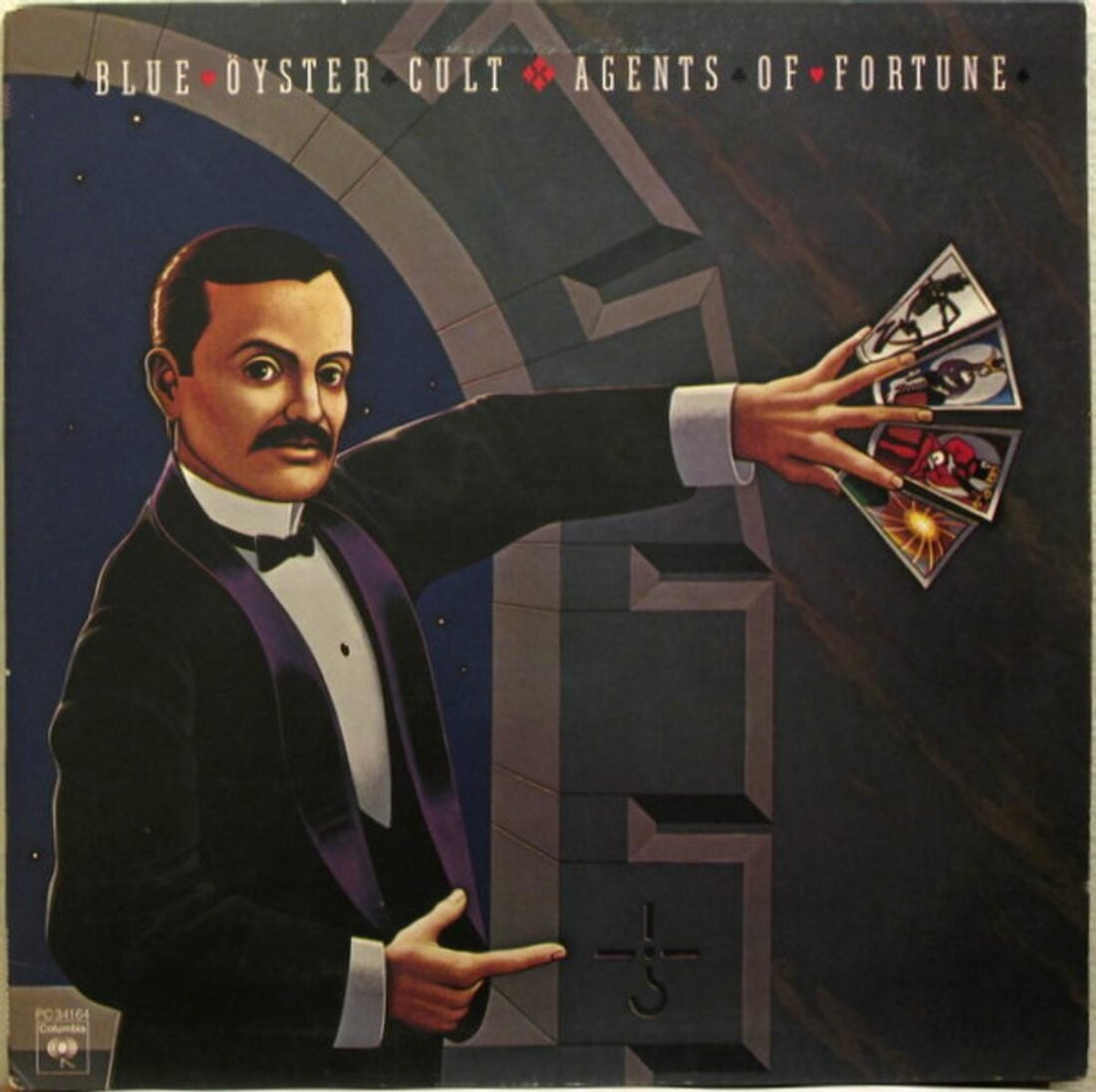
A dense rock production doesn’t have to sound congested. Agents of Fortune proves it by keeping its guitars, keyboards, and vocal harmonies easy to follow.
“Don′t Fear The Reaper” works because the chiming guitar line, soft vocal blend, and rhythm section never fight for the same space. The production gives the song its haunted feel while still letting the arrangement build with real force.
Across the album, those layered parts keep revealing small details instead of flattening into one texture.
20. Hemispheres – Rush (1.33% of Votes)

Rush pushed its progressive ambitions even further on Hemispheres. Complex arrangements unfold with impressive clarity, allowing each band member’s contribution to remain distinct throughout.
The title suite could easily become overwhelming, but the mix gives the long sections enough structure to follow the shifts in tempo, tone, and intensity. Geddy Lee’s bass stays active without smearing into the guitars, while Neil Peart’s drums help mark the changes rather than just adding scale.