

The reasons audiophiles chose these hit every old objection to the topology directly.
Class D amps used to be easy to dismiss because the complaints were based on real problems. Some older designs struggled with speaker loads, tonal balance, and the thin sound people still argue about today.
Newer amps have changed the conversation through better feedback systems, stronger modules, cleaner power supplies, analog input stages, and faster switching designs.
We asked audiophiles which Class D amps could win over listeners who usually prefer Class A or Class AB. And the results show how wide the category has become, from budget chip amps to boutique GaN designs and serious Purifi or Hypex builds.
Here are the 15 amps that received the most votes.
- 1. Hypex Nilai (11.36% of Votes)
- 2. Bel Canto REF600M (11.16% of Votes)
- 3. NAD M33 (9.82% of Votes)
- 4. Marantz Model 30 (9.62% of Votes)
- 5. Nord Three MB (9.24% of Votes)
- 6. NuPrime IDA-9 (8.08% of Votes)
- 7. AGD Gran Vivace MKIV (6.54% of Votes)
- 8. PS Audio M700 (5.77% of Votes)
- 9. Teac AP-701 (4.62% of Votes)
- 10. Fosi Audio V3 (4.43% of Votes)
- 11. Lyngdorf MXA-8400 (4.23% of Votes)
- 12. VTV Monoblocks (3.85% of Votes)
- 13. Primare A34.2 (3.66% of Votes)
- 14. SPEC RSA-EX1000 (3.27% of Votes)
- 15. LAiV Crescendo Chorus (2.89% of Votes)
- 1. Hypex Nilai (11.36% of Votes)
- 2. Bel Canto REF600M (11.16% of Votes)
- 3. NAD M33 (9.82% of Votes)
- 4. Marantz Model 30 (9.62% of Votes)
- 5. Nord Three MB (9.24% of Votes)
- 6. NuPrime IDA-9 (8.08% of Votes)
- 7. AGD Gran Vivace MKIV (6.54% of Votes)
- 8. PS Audio M700 (5.77% of Votes)
- 9. Teac AP-701 (4.62% of Votes)
- 10. Fosi Audio V3 (4.43% of Votes)
- 11. Lyngdorf MXA-8400 (4.23% of Votes)
- 12. VTV Monoblocks (3.85% of Votes)
- 13. Primare A34.2 (3.66% of Votes)
- 14. SPEC RSA-EX1000 (3.27% of Votes)
- 15. LAiV Crescendo Chorus (2.89% of Votes)
1. Hypex Nilai (11.36% of Votes)
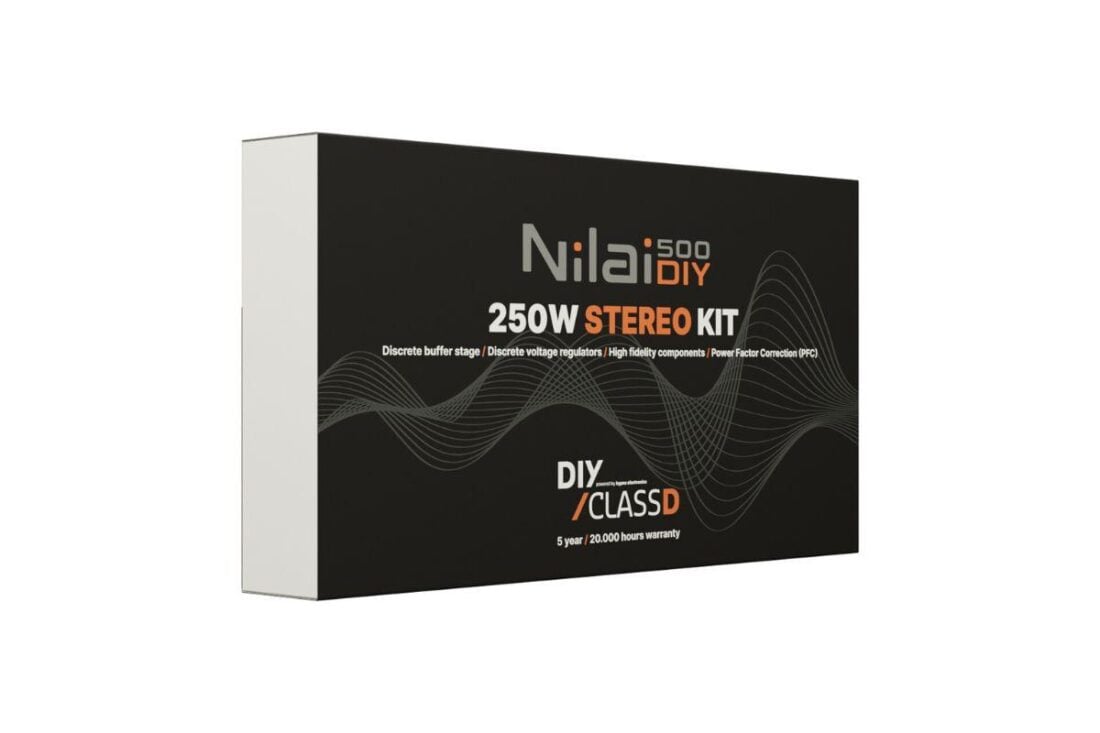
Hypex Nilai is one of the clearest examples of modern Class D attacking the weakness that shaped many older opinions of the topology.
It builds on the company’s UcD and NCore platforms, adding more loop gain and deeper error correction across the audio band. The key point is Nilai’s load-invariant control loop, which is designed to keep frequency response stable as speaker impedance changes.
Hypex also treats the surrounding parts as part of the result. The Nilai500DIY module is supported by a discrete buffer stage, discrete voltage regulators, and the matching PS500DIY power supply, so the kit is not just a bare amp module dropped into a box.
Basically, it gives Class D a quieter, more controlled, and more consistent foundation while still letting hands-on buyers assemble the finished amp themselves.
Technical specs:
- Topology: Class D stereo power amp
- Module/platform: Hypex Nilai500DIY
- Power (stereo): 2 × 250W into 4Ω, up to 525W per channel
- Power (bridged/multi): Not specified
- THD+N: 0.00015% at 100W into 4Ω
- SNR: 134dB
- Damping / output impedance: Not specified
- Load handling / compatibility: Stable down to 2Ω
- Price: Around $800–$1,200 assembled
2. Bel Canto REF600M (11.16% of Votes)
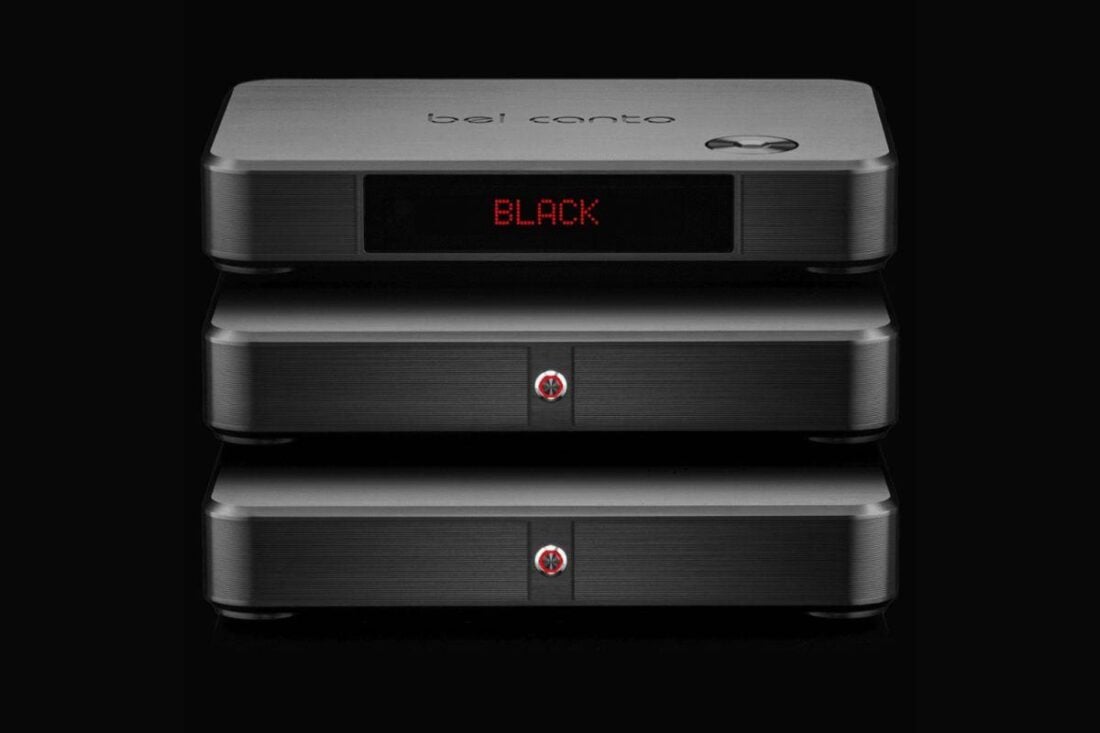
Bel Canto’s REF600M monoblocks take a respected Hypex NCore platform and give it a more finished high-end identity through Bel Canto’s own analog front end.
Each amplifier uses a custom input stage and discrete analog buffer ahead of a Hypex NC500 output module and SMPS1200 power supply. That implementation is the real story here, because the REF600M is not presented as a raw module amp with premium casework around it.
The custom front end helps shape the amp’s smoother, more composed character, while the NC500 section supplies the power and control. Together, they give the REF600M a full-range presentation that many listeners describe as closer to conventional high-end Class AB than early switching designs.
So, its appeal comes from that balance. Bel Canto keeps the efficiency and compactness of Class D, but the analog stage gives the amp a more familiar sense of body, depth, and ease.
Technical specs:
- Topology: Class D monoblock.
- Module/platform: Hypex NCore NC500 with SMPS1200.
- Power (stereo): 300W into 8Ω, 600W into 4Ω per monoblock.
- THD+N: Measured output of 358.4W into 8Ω and 658.4W into 4Ω at 1% THD+N.
- Output impedance: <0.008Ω at 100Hz.
- Load handling: Minimum load 2Ω.
- Price: $5,590/pair.
3. NAD M33 (9.82% of Votes)
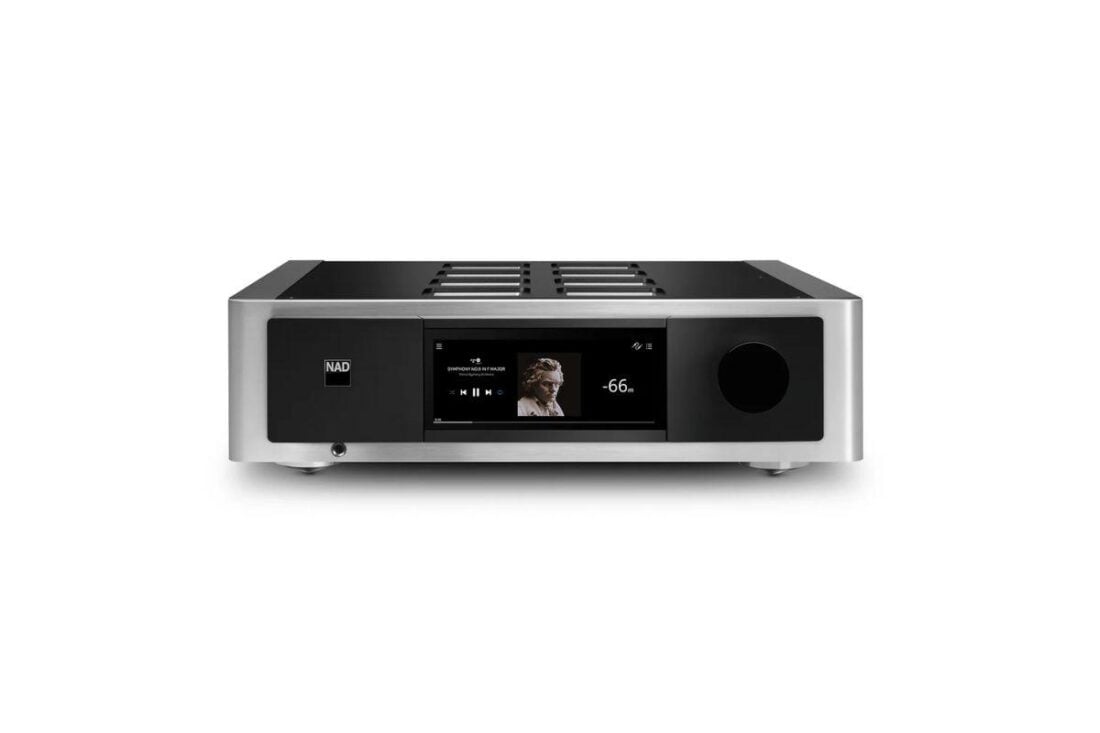
The NAD M33 was one of the first mainstream integrated amplifiers to use Purifi’s Eigentakt technology in a polished consumer product. Eigentakt’s self-oscillating control design keeps distortion extremely low and maintains strong error correction across the audio band, even at higher output levels, which gives the M33 a sense of effortlessness under load.
What wins over many skeptics is that the M33 surrounds that clean power stage with a full modern feature set: Dirac Live room correction, BluOS streaming, an ESS Sabre DAC, and an onboard phono stage.
Instead of behaving like a stripped‑down power amp, it becomes a hub that reduces friction around playback while still delivering serious power from its Class D section.
Technical specs:
- Topology: Integrated Class D.
- Module/platform: Purifi Eigentakt 1ET400A.
- Power (stereo): 200W/ch into 8Ω, 380W/ch into 4Ω.
- Power (bridged): >700W into 8Ω.
- Price: $4,999
4. Marantz Model 30 (9.62% of Votes)
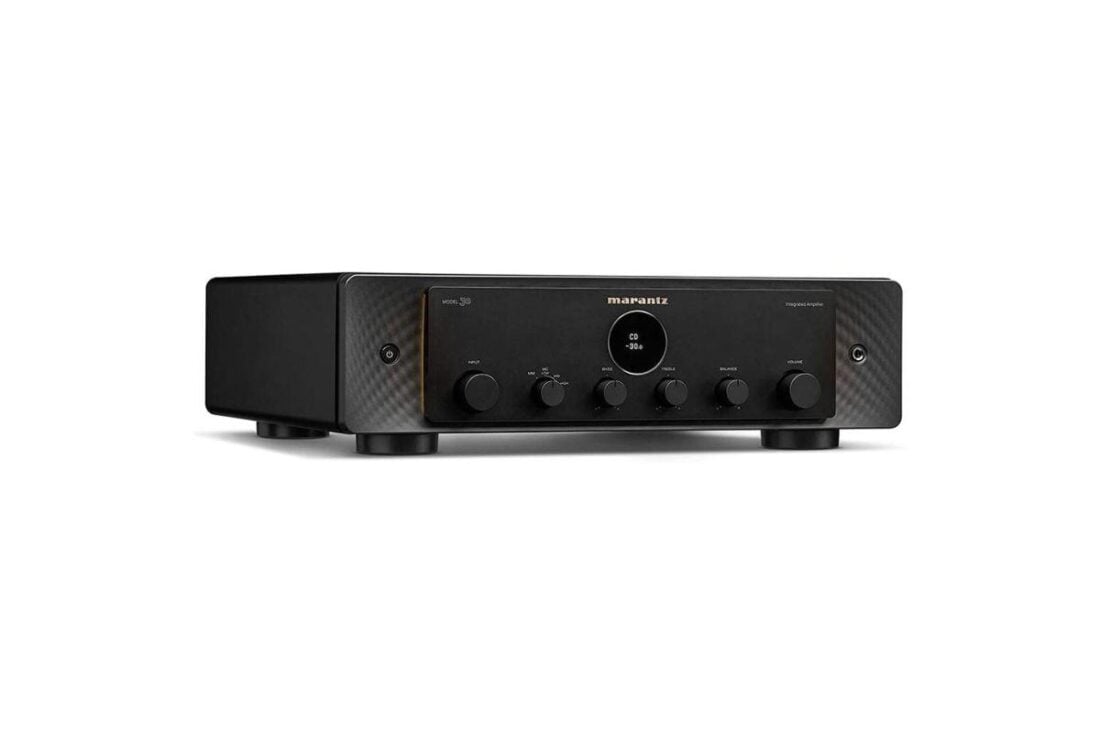
The Marantz Model 30 is one of the more traditionally voiced entries, aiming for warmth and ease rather than measurement‑chasing neutrality.
It uses Hypex NC500 OEM modules for power, but gives the preamp duties to Marantz’s discrete HDAM circuits, fed by their own dedicated toroidal transformer and kept separate from the switching supply that drives the output stage.
The result is a Class D amplifier that still carries a recognizable Marantz character: smooth, slightly forgiving, and comfortable over long listening sessions.
In testing, the Model 30 held its frequency response without tipping brighter on a Martin Logan Electromotion ESL X, which is exactly the kind of load that can trip up weaker switching designs. This reinforces the sense that this is a modern topology tuned for real speakers rather than test benches.
Technical specs:
- Topology: Integrated Class D with analog HDAM preamp stage.
- Module/platform: Hypex NC500 OEM.
- Power (stereo): 100W/ch into 8Ω, 200W/ch into 4Ω.
- THD: 0.005%
- Damping factor: 500
- Price: Around $2,499–$3,499
5. Nord Three MB (9.24% of Votes)
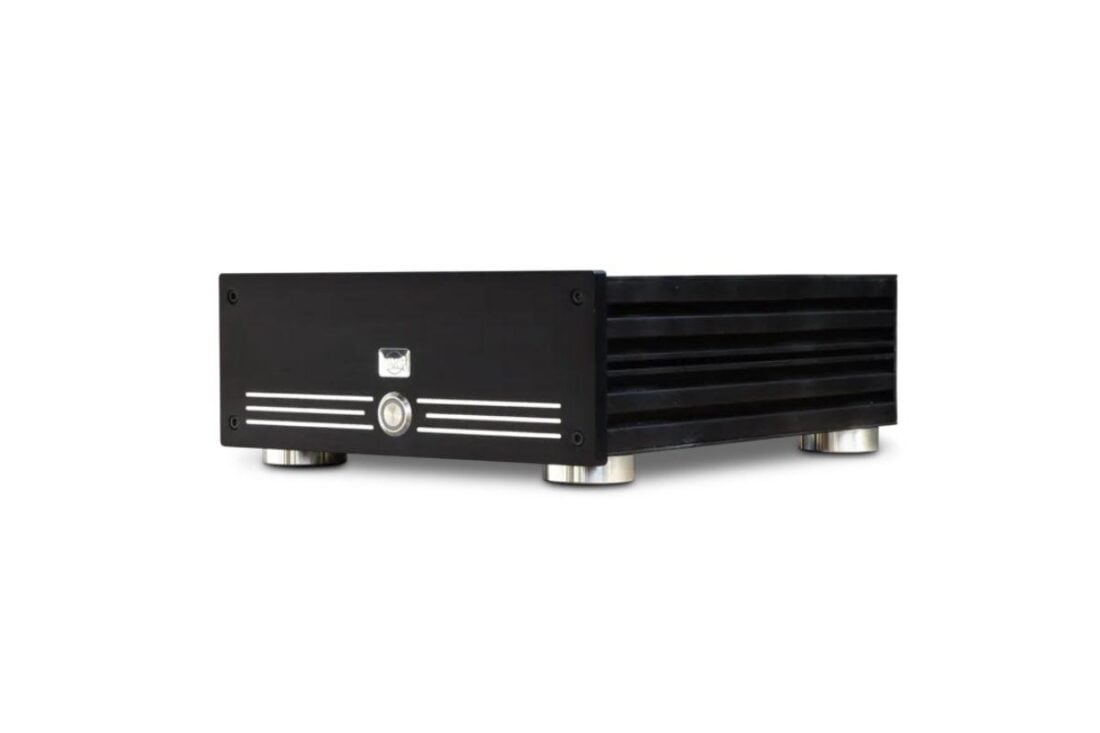
Nord’s Three MB is best understood as the tunable Purifi option. It pairs Purifi’s flagship 1ET9040BA module with a configurable input stage, letting buyers choose the buffer and op-amp setup at order time.
That matters because many Class D amps ask buyers to accept a fixed implementation of a well-known module. Nord takes a different route by letting the front end become part of the buying decision.
Underneath those options, the Purifi module supplies the core performance: high output, very low noise, and enough current capability for demanding systems.
The Three MB can also deliver 375W into 8Ω, 750W into 4Ω, and 925W into 2Ω, giving the amp serious headroom in a compact monoblock format.
The result is less about a single house sound and more about control over the final build. For listeners who want Purifi power without a completely fixed front-end character, that flexibility is the reason Nord stands out.
Technical specs:
- Topology: Class D monoblock.
- Module/platform: Purifi 1ET9040BA.
- Power (stereo): 375W into 8Ω, 750W into 4Ω, 925W into 2Ω.
- SNR: 137dB
- Price: Starts around £1,155, with fully configured pairs reaching around $4,656/pair.
6. NuPrime IDA-9 (8.08% of Votes)
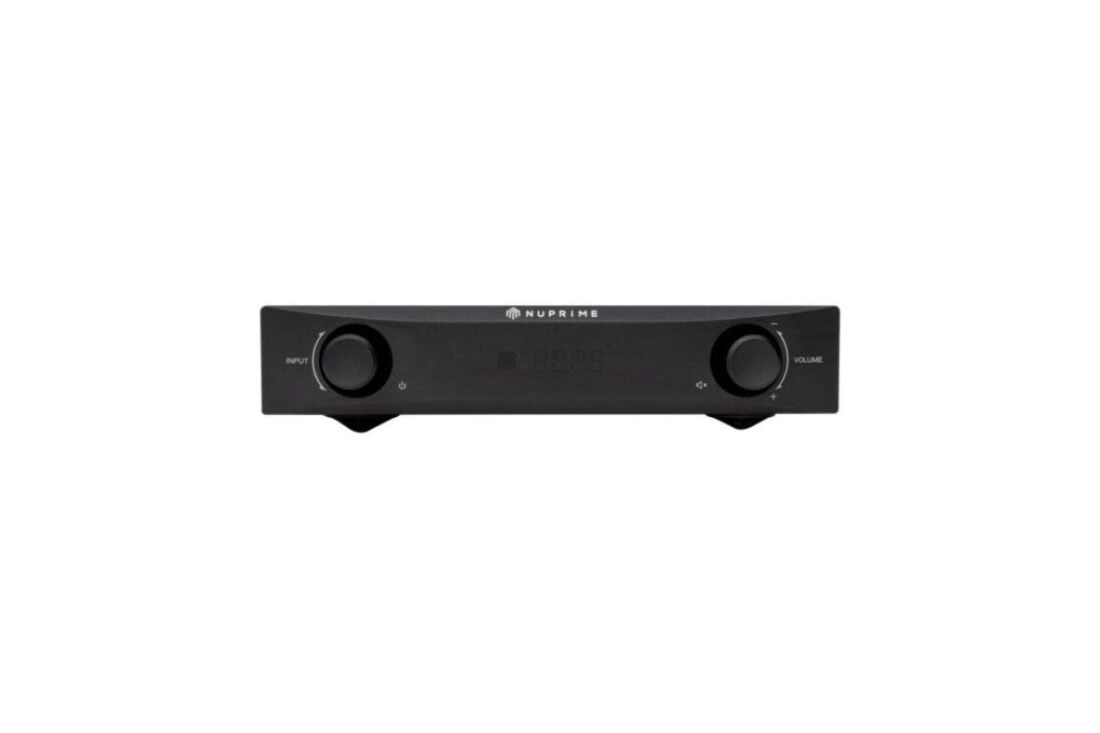
The NuPrime IDA-9 takes a hybrid route instead of leaning on the usual module-based Class D story. It combines NuPrime’s proprietary Ultra Linear Class A Module for voltage gain with a Class D output stage for efficient power delivery.
This split gives the amp its main identity. The Class A section handles the low-level voltage work, while the switching output stage supplies the current needed to drive speakers from a compact chassis.
NuPrime also uses a 600kHz switching frequency, which is higher than many conventional Class D designs. Moving the switching action farther away from the audible band can make output filtering easier and helps explain why the IDA-9 is often described as clean without sounding thin.
Because of that architecture, the IDA-9 does not read like a standard Class D amp with a warmer description attached.
Its case rests on the Class A voltage gain up front, with high-frequency Class D power behind it design.
Technical specs:
- Topology: Hybrid Class A + Class D integrated amplifier.
- Module/platform: NuPrime proprietary Ultra Linear Class A Module with Class D output stage.
- Power (stereo): 200W/ch into 8Ω, 250W/ch into 4Ω.
- THD+N: 0.005%
- Price: $1,549
7. AGD Gran Vivace MKIV (6.54% of Votes)
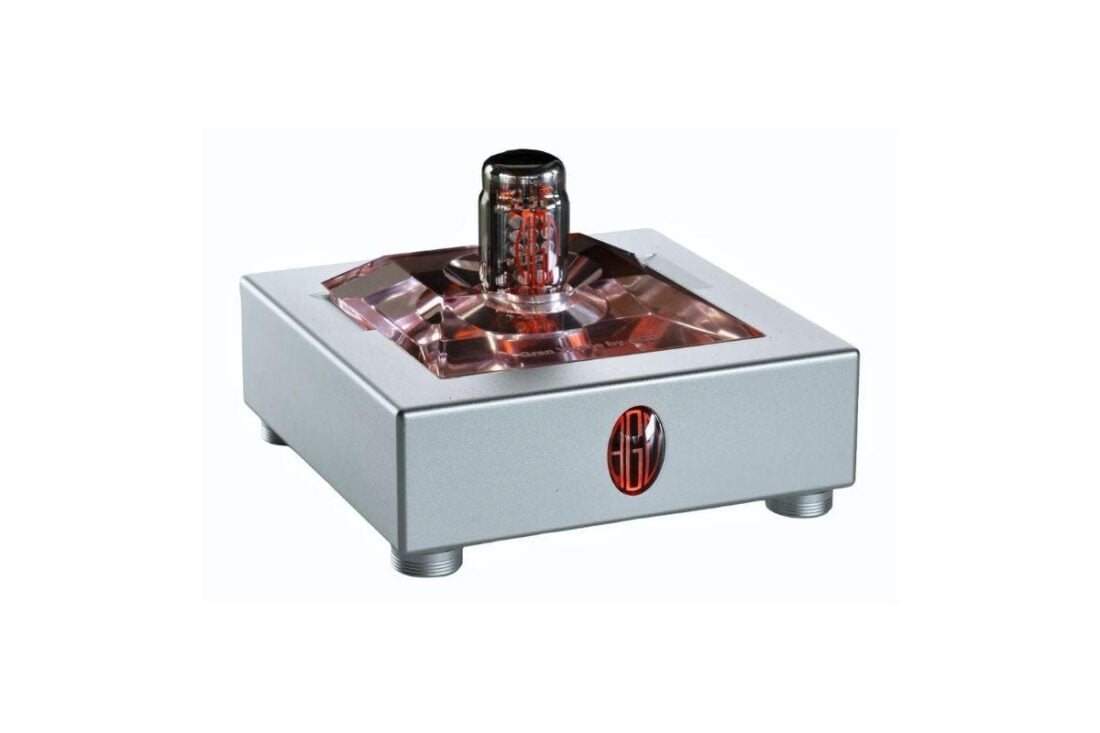
The AGD Gran Vivace MKIV is visually dramatic, but its GaNTube architecture is also a serious piece of engineering. Each glass “tube” houses a complete Class D amplifier and power supply, using high‑voltage GaN HEMT and GaN MOSFET devices to switch at around 800kHz PWM.
Those GaN devices can switch faster than conventional silicon, helping to move switching artifacts further away from the audio band and contributing to the amp’s low noise floor.
The chassis, styling, and user‑swappable tube modules frame Class D in the culture and upgrade logic of high‑end tube gear, which is a compelling bridge for listeners who usually equate high‑end with valves and heavy iron.
Technical specs:
- Topology: Proprietary GaNTube Class D monoblock.
- Module/platform: High-voltage GaN HEMT/GaN MOSFET output stage.
- Power (stereo): 400W into 4Ω.
- Noise floor: ≤45µV A-weighted.
- Price: $19,500/pair
8. PS Audio M700 (5.77% of Votes)
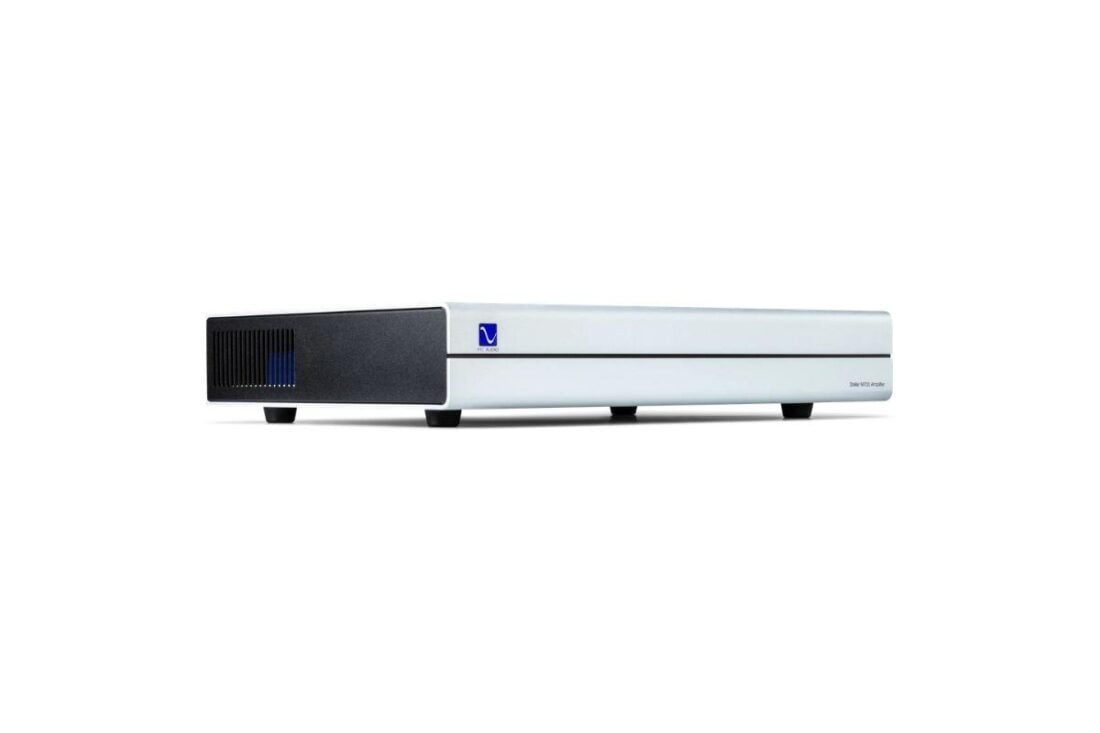
PS Audio’s M700 monoblocks use an ICEpower 700ASC output module, but their identity starts with the company’s Analog Cell input stage.
Before the signal reaches the switching output section, a fully differential, zero-feedback, discrete Class A MOSFET front end handles voltage gain. PS Audio uses this stage to shape the amp’s character early in the chain, while the ICEpower module supplies the current and speaker control.
And, rather than reading like a standard ICEpower build in a different chassis, the M700 has a clearer signal-path story. Its analog front end plays a major role in the voicing, which helps explain why these monoblocks are often discussed as more than just compact power boxes.
Technical specs:
- Topology: Class D monoblock with analog Class A input stage.
- Module/platform: ICEpower 700ASC with PS Audio Analog Cell input stage.
- Power (stereo): 350W into 8Ω, 700W into 4Ω.
- Damping factor: 1,100
- Output impedance: Below 0.007Ω at 50Hz.
- Load handling: Stable at 2Ω.
- Price: $2,998/pair.
9. Teac AP-701 (4.62% of Votes)
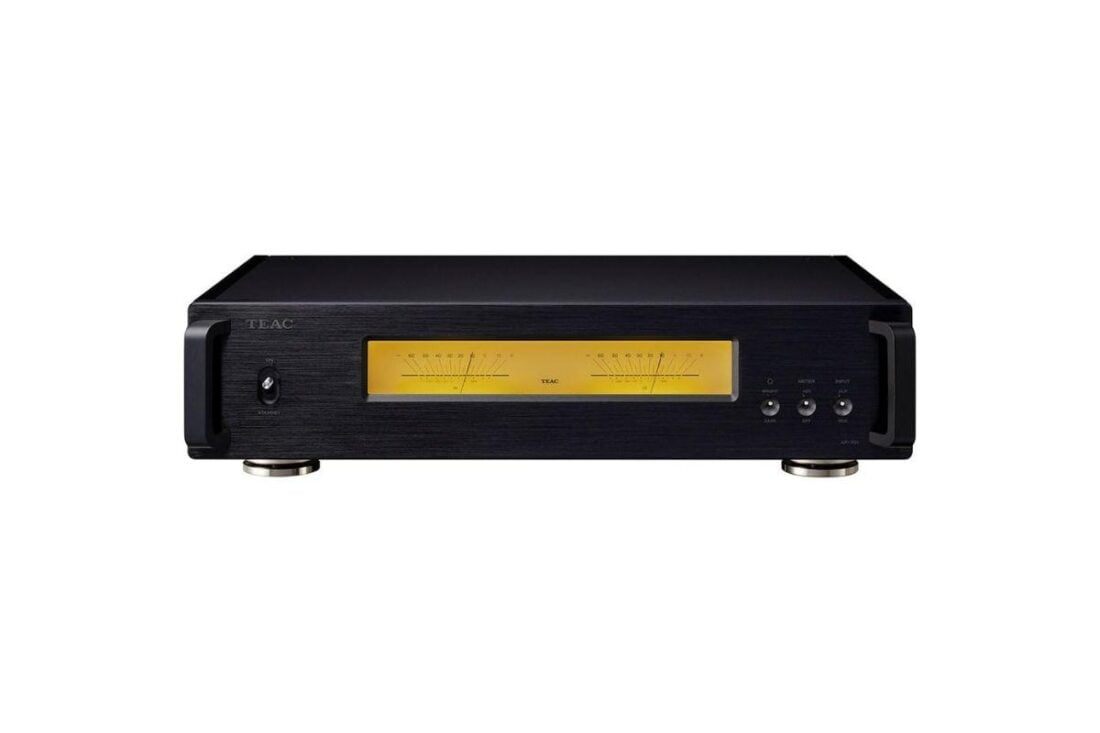
The Teac AP-701 looks and feels closer to classic Japanese hi‑fi than many compact Class D boxes, which is part of its appeal to conservative listeners. It is a dual‑mono, fully balanced design built around two custom Hypex NCore modules, each fed by its own toroidal transformer.
That construction addresses common complaints about budget Class D (shared supplies, cramped layouts, and an impression of cost‑cutting) by presenting switching amplification inside a substantial chassis with thick metalwork and analog VU meters.
The whole package signals “serious component,” which makes listeners more willing to judge the sound on its merits rather than on topology alone.
Technical specs:
- Topology: Dual-mono, fully balanced Class D power amplifier.
- Module/platform: Two custom Hypex NCore modules.
- Power (stereo): 170W/ch into 8Ω, 260W/ch into 4Ω.
- THD: 0.003%
- SNR: 110dB
- Price: $3,599–$3,999
10. Fosi Audio V3 (4.43% of Votes)
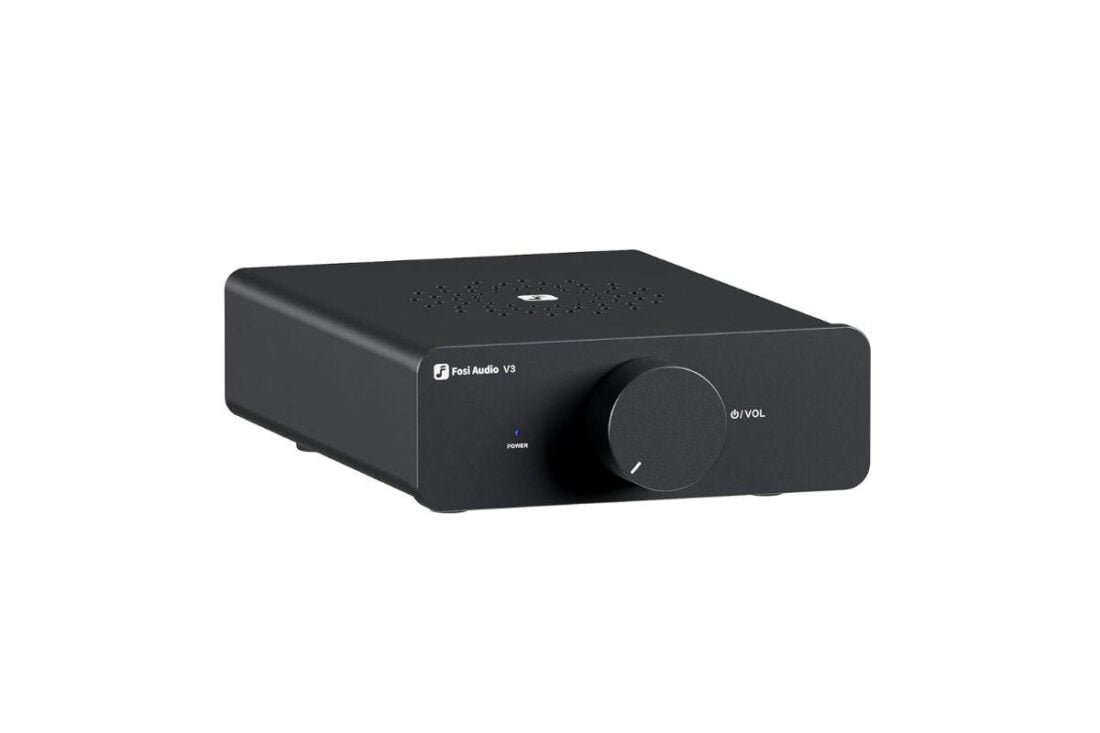
The Fosi Audio V3 earns its place here by showing how far budget Class D has come. It uses Texas Instruments’ TPA3255 chip and surrounds it with unusually solid parts for the money, including ELNA and Wima capacitors, Japanese Sumida inductors, and swappable NE5532 op-amps.
Those parts matter because the V3 is not priced like an audiophile statement piece. It sits in the small desktop-amp category, where buyers usually expect compromises in power claims, parts quality, or both.
This means that even after discounting inflated wattage claims, the V3 still delivers unusually credible measured performance for an $80–$100 amp.
Technical specs:
- Topology: Compact Class D integrated amplifier.
- Module/platform: Texas Instruments TPA3255.
- Power (stereo): Around 38W measured with the stock 32V supply.
- THD: 0.003%
- SNR: ≥110dB
- Price: Around $80–$100.
11. Lyngdorf MXA-8400 (4.23% of Votes)
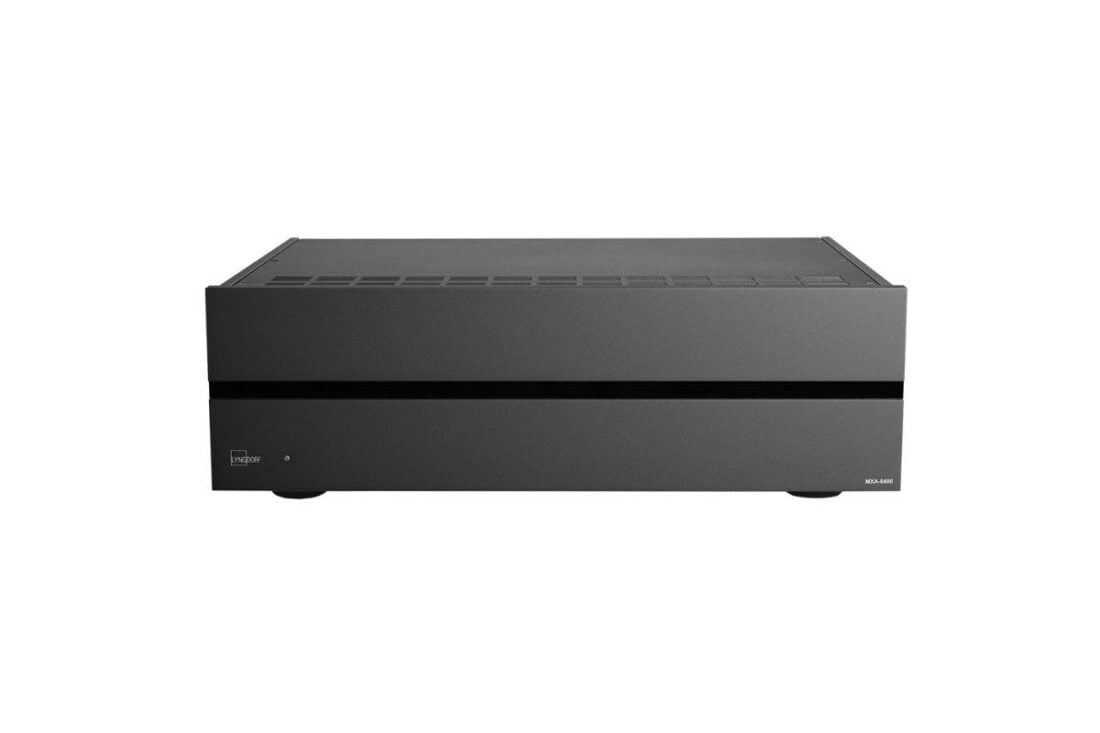
The Lyngdorf MXA-8400 argues for Class D as the practical way to deliver serious multichannel power without a rack full of hot amplifiers. It is an eight‑channel amplifier aimed at high‑end home theater and multichannel systems, making the most sense for listeners who need high output, low heat, and quiet operation across many channels at once.
Inside, the MXA‑8400 uses eight Purifi Eigentakt modules with Lyngdorf’s EIGENTAKT ErrorCorrection, backed by the company’s PowerPerfect supply. The chassis itself acts as the heatsink, allowing the amp to run fanless while producing up to 3.2kW of combined output, which is a compelling demonstration of Class D’s strengths at scale.
Technical specs:
- Topology: Eight-channel Class D power amplifier.
- Module/platform: Purifi Eigentakt with Lyngdorf EIGENTAKT ErrorCorrection.
- Power (multichannel): 8 × 400W into 4Ω, 3.2kW total output.
- THD: 0.001% at 200W/8Ω across 20Hz–20kHz.
- Price: $14,000+
12. VTV Monoblocks (3.85% of Votes)
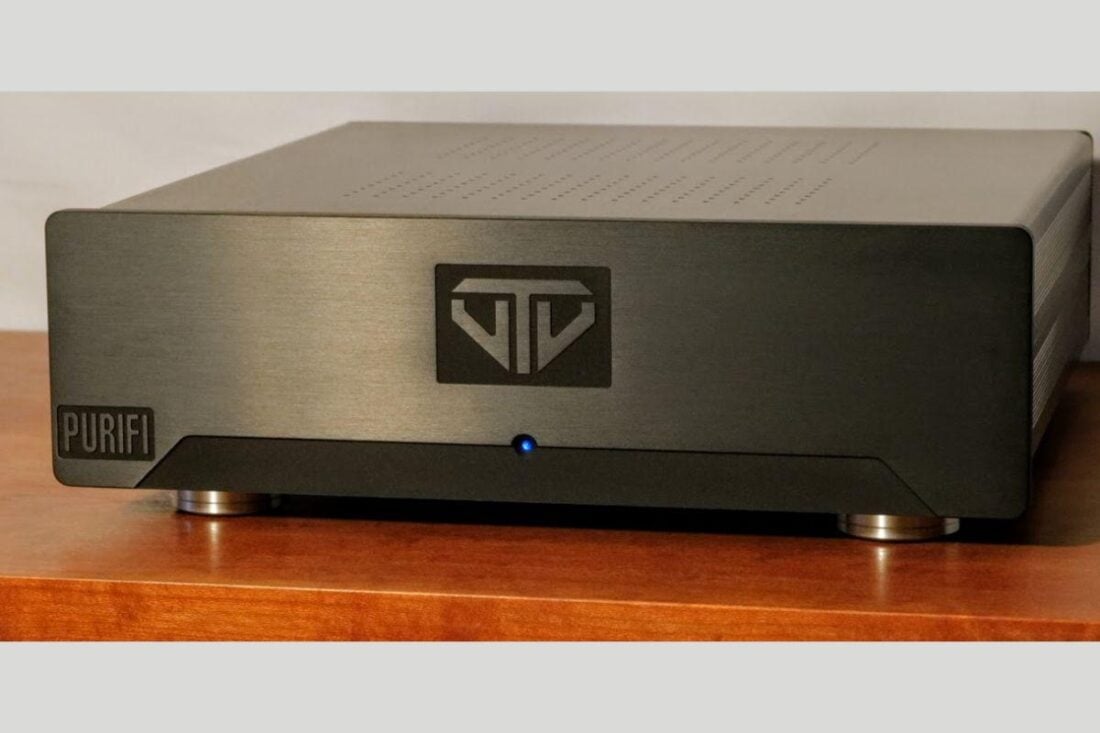
VTV’s monoblocks are aimed at buyers who want Purifi performance without paying for a more locked-down high-end implementation. The company offers several Purifi-based builds, from 1ET400A models to higher-power 1ET7040SA and 1ET9040BA versions.
Range is the main selling point. Buyers can choose from multiple buffer options, including stock Hypex, VTV’s own custom buffer, Sparkos Labs discrete op-amps, Weiss Audio op-amps, and even a 6922 vacuum tube buffer.
Technical specs:
- Topology: Configurable Class D monoblocks.
- Module/platform: Purifi 1ET400A, 1ET7040SA, or 1ET9040BA.
- Power (stereo): Roughly 200W into 8Ω and 400W into 4Ω with 1ET400A; 375W into 8Ω, 750W into 4Ω, and 925W into 2Ω with 1ET9040BA.
- Features: Buffer options include stock Hypex, VTV custom, Sparkos Labs discrete op-amps, Weiss Audio op-amps, and 6922 vacuum tube buffer.
- Price: Around $900–$2,000/pair.
13. Primare A34.2 (3.66% of Votes)
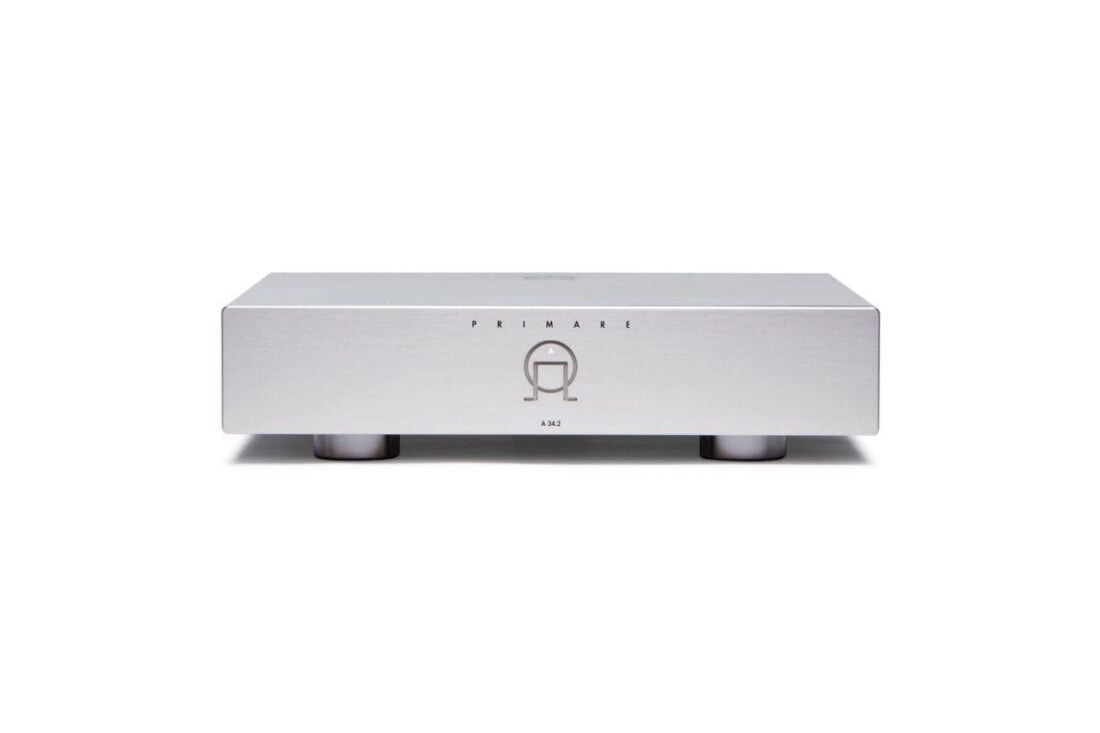
Primare’s A34.2 stands out because it does not rely on the familiar Hypex, Purifi, or ICEpower module story. Instead, it uses Primare’s in-house UFPD architecture.
The design converts the input signal to a high-frequency PWM waveform in the analog domain, amplifies it, and then filters it back to analog at the output. This gives the A34.2 a different technical identity from many other Class D amps on this list.
Primare also designed UFPD to keep performance steady as speaker impedance changes, but impedance behavior is not the whole story here. The more important distinction is Primare’s decision to build its own switching platform rather than buy into one of the dominant module ecosystems.
As a result, the A34.2 works as a useful counterpoint in the ranking. It shows that modern Class D’s progress is not limited to Hypex, Purifi, ICEpower, or GaN-based designs.
Technical specs:
- Topology: Class D power amplifier.
- Module/platform: Primare UFPD architecture.
- Power (stereo): 150W/ch into 8Ω.
- Power (bridged): 550W
- THD+N: <0.005% at 1kHz, 100W, 8Ω.
- Price: Around $3,000 original US price.
14. SPEC RSA-EX1000 (3.27% of Votes)
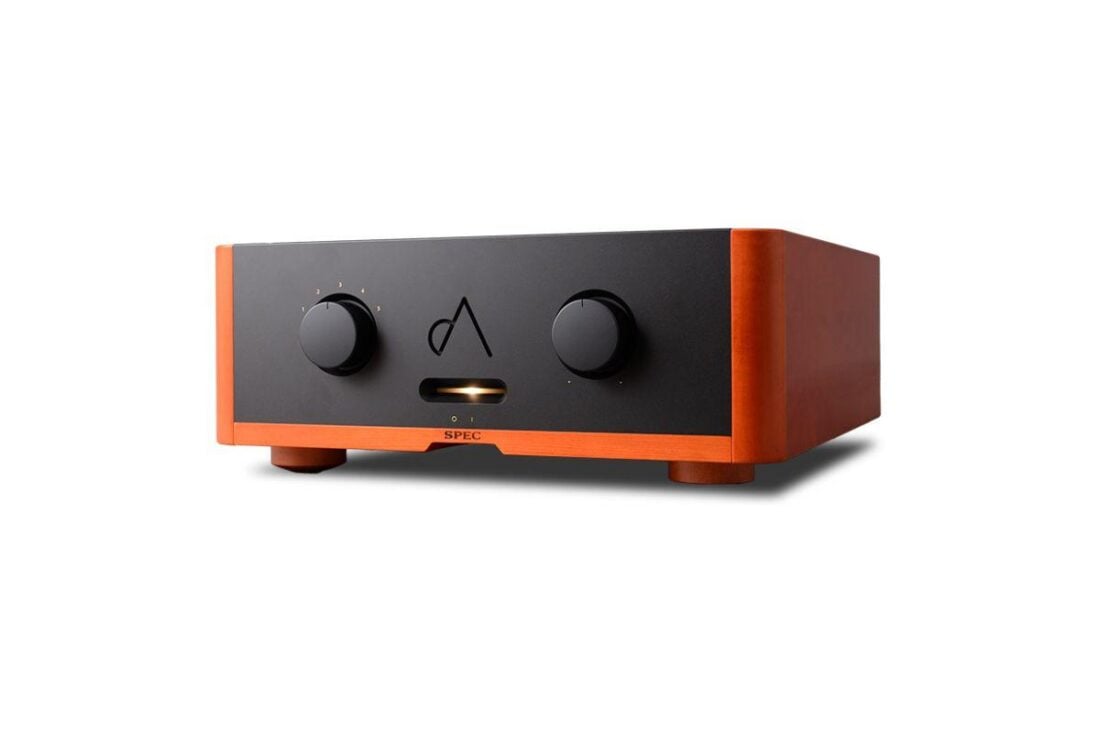
SPEC’s RSA‑EX1000 approaches Class D with a luxury‑analog mindset, pairing its proprietary switching circuit with a large 600VA R‑core linear power supply instead of a more typical SMPS. That choice makes the amp heavier and less conventionally efficient, but it directly targets concerns about power‑supply noise interacting with the switching stage.
Much of the amp’s 28kg comes from the custom transformer, and the chassis itself borrows cues from acoustic instrument construction with maple side frames and spruce laminate panels.
Together, these elements position the RSA‑EX1000 not as a cost‑cutting exercise, but as a statement piece showing what happens when you apply high‑end obsessiveness to a Class D platform.
Technical specs:
- Topology: Proprietary Class D integrated amplifier.
- Module/platform: Proprietary Class D circuit with 600VA R-core linear power supply.
- Power (stereo): 200W/ch into 4Ω.
- Frequency response: 10Hz–30kHz ±1dB.
- Load handling: Speaker compatibility from 4Ω to 16Ω.
- Price: Roughly €29,000 to around $38,000 USD depending on region.
15. LAiV Crescendo Chorus (2.89% of Votes)
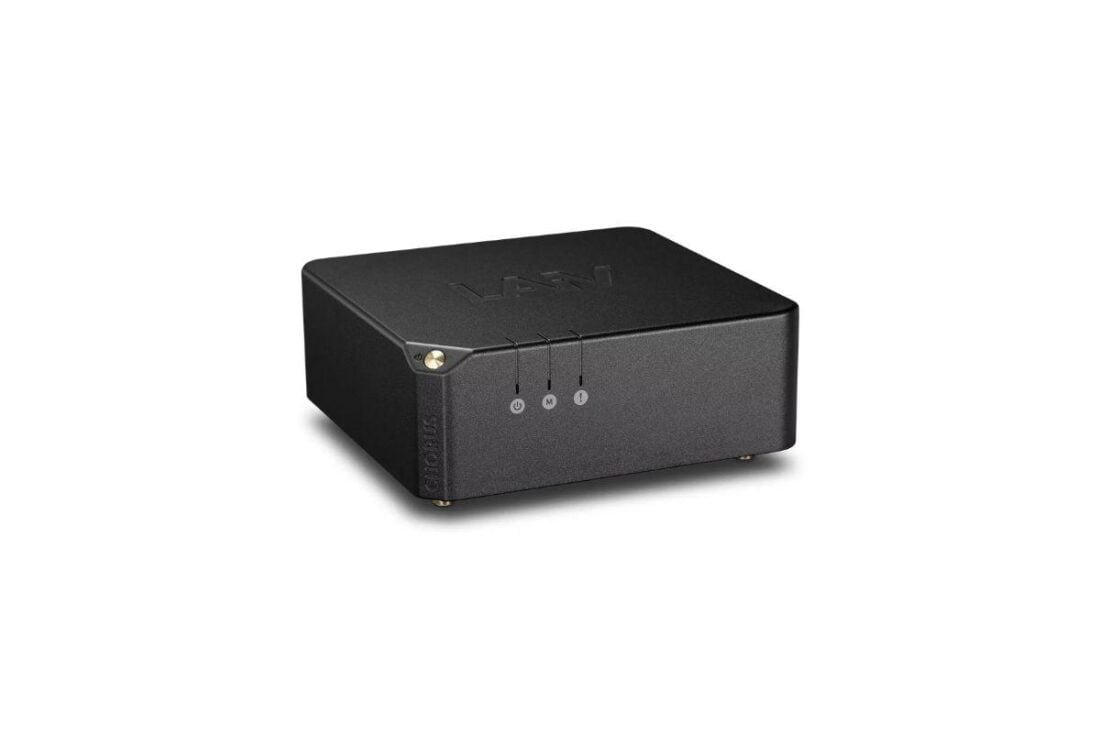
The LAiV Crescendo Chorus is a proprietary GaN FET Class D amplifier from Singapore‑based LAiV Audio that makes the most sense when used as a pair of bridged monoblocks.
In stereo it outputs 50W per channel into 8Ω, but in mono mode it converts a single input to a balanced signal internally and delivers 120W into 8Ω as a true balanced monoblock with full channel isolation.
The Chorus runs passively cooled and stays cool under sustained use, which underscores the topology’s efficiency. Reviewers often describe its sound as sweeter, warmer, and more delicate than they expect from Class D, making it an appealing option for listeners who care more about refinement and musical ease than sheer output.
Technical specs:
- Topology: Proprietary GaN FET Class D amplifier.
- Module/platform: LAiV proprietary GaN FET design.
- Power (stereo): 50W/ch into 8Ω.
- Power (bridged): 120W into 8Ω.
- Price: $994 per unit, about $1,988/pair as monoblocks.