

Each track comes with exactly what to listen for and where the trouble hits.
Bass problems often hide until a track hits the exact frequency or rhythm that exposes them. One song may reveal room boom. Another may uncover slow decay, weak extension, or bass that masks vocals and drums.
We ranked 30 tracks chosen by audiophiles in our surveys and explained what each one can reveal about your speakers, subwoofer, headphones, and room. The list covers deep electronic bass, fast guitar runs, sustained pedals, and dense mixes that test control.
If your system can handle this playlist cleanly, it is probably doing a lot right in the bass department.
- 1. Flight of the Cosmic Hippo - Béla Fleck and the Flecktones (10.47% of Votes)
- 2. Angel - Massive Attack (7.90% of Votes)
- 3. Oh Yeah - Yello (5.31% of Votes)
- 4. Bassgasm - Techmaster P.E.B. (5.09% of Votes)
- 5. Welcome to the Machine - Pink Floyd (4.78% of Votes)
- 6. Morph the Cat - Donald Fagen (4.36% of Votes)
- 7. Limit to Your Love - James Blake (4.12% of Votes)
- 8. Glory Box - Portishead (3.81% of Votes)
- 9. Roundabout - Yes (3.45% of Votes)
- 10. Private Investigations - Dire Straits (3.43% of Votes)
- 11. Apollo - Alan Parsons (3.14% of Votes)
- 12. Shaking the Tree - Peter Gabriel (3.05% of Votes)
- 13. The Chain - Fleetwood Mac (2.86% of Votes)
- 14. Passenger 57 (Main Title) - Stanley Clarke (2.79% of Votes)
- 15. One of These Days - Pink Floyd (2.70% of Votes)
- 16. Firth of Fifth - Genesis (2.61% of Votes)
- 17. Enter Sandman - Metallica (2.48% of Votes)
- 18. Come Together - The Beatles (2.39% of Votes)
- 19. Limelight - Rush (2.35% of Votes)
- 20. Slave to the Rhythm - Grace Jones (2.30% of Votes)
- 21. Lucky Man - Emerson, Lake & Palmer (2.19% of Votes)
- 22. Why So Serious? - Hans Zimmer (2.17% of Votes)
- 23. Heart of the Sunrise - Yes (2.13% of Votes)
- 24. Black Cow - Steely Dan (2.08% of Votes)
- 25. Blinding Lights - The Weeknd (1.95% of Votes)
- 26. Jump into the Fire - Harry Nilsson (1.93% of Votes)
- 27. Acid Rain - Lorn (1.84% of Votes)
- 28. Hyperballad - Björk (1.77% of Votes)
- 29. Fly on a Windshield - Genesis (1.70% of Votes)
- 30. Hand of Doom - Black Sabbath (1.68% of Votes)
- 1. Flight of the Cosmic Hippo - Béla Fleck and the Flecktones (10.47% of Votes)
- 2. Angel - Massive Attack (7.90% of Votes)
- 3. Oh Yeah - Yello (5.31% of Votes)
- 4. Bassgasm - Techmaster P.E.B. (5.09% of Votes)
- 5. Welcome to the Machine - Pink Floyd (4.78% of Votes)
- 6. Morph the Cat - Donald Fagen (4.36% of Votes)
- 7. Limit to Your Love - James Blake (4.12% of Votes)
- 8. Glory Box - Portishead (3.81% of Votes)
- 9. Roundabout - Yes (3.45% of Votes)
- 10. Private Investigations - Dire Straits (3.43% of Votes)
- 11. Apollo - Alan Parsons (3.14% of Votes)
- 12. Shaking the Tree - Peter Gabriel (3.05% of Votes)
- 13. The Chain - Fleetwood Mac (2.86% of Votes)
- 14. Passenger 57 (Main Title) - Stanley Clarke (2.79% of Votes)
- 15. One of These Days - Pink Floyd (2.70% of Votes)
- 16. Firth of Fifth - Genesis (2.61% of Votes)
- 17. Enter Sandman - Metallica (2.48% of Votes)
- 18. Come Together - The Beatles (2.39% of Votes)
- 19. Limelight - Rush (2.35% of Votes)
- 20. Slave to the Rhythm - Grace Jones (2.30% of Votes)
- 21. Lucky Man - Emerson, Lake & Palmer (2.19% of Votes)
- 22. Why So Serious? - Hans Zimmer (2.17% of Votes)
- 23. Heart of the Sunrise - Yes (2.13% of Votes)
- 24. Black Cow - Steely Dan (2.08% of Votes)
- 25. Blinding Lights - The Weeknd (1.95% of Votes)
- 26. Jump into the Fire - Harry Nilsson (1.93% of Votes)
- 27. Acid Rain - Lorn (1.84% of Votes)
- 28. Hyperballad - Björk (1.77% of Votes)
- 29. Fly on a Windshield - Genesis (1.70% of Votes)
- 30. Hand of Doom - Black Sabbath (1.68% of Votes)
1. Flight of the Cosmic Hippo – Béla Fleck and the Flecktones (10.47% of Votes)

Here, Victor Wooten’s fretless bass sits front and center in a relatively open mix. It is mainly why this track has become a staple of audiophile demonstrations.
The performance combines deep sustained notes with slides, harmonics, and subtle dynamic changes. They quickly reveal whether a system can reproduce bass as a real instrument rather than a generic low-frequency effect.
A capable setup should convey the texture of the strings and the resonance of the instrument while keeping the rest of the band clearly separated.
What to listen for:
- Clear pitch definition on the lowest notes.
- Finger slides that remain distinct.
- Natural decay after each pluck.
- Whether the bass overwhelms the banjo and percussion.
2. Angel – Massive Attack (7.90% of Votes)

Few tracks build low-frequency tension as effectively as “Angel.” A spare, repeating bass figure establishes the foundation, then remains in place while drums, guitars, and effects gradually accumulate around it.
That slow buildup makes control easy to assess. Each pulse should retain its shape as the arrangement becomes heavier; when the system or room rings excessively, one note begins merging into the next and the track loses its deliberate sense of pressure.
What to listen for:
- Bass pulses that begin and end cleanly during the sparse opening.
- Whether the motif keeps the same shape after the drums and guitars enter.
- Small changes in intensity within the otherwise repetitive pattern.
- A stable bass image while the surrounding effects spread across the soundstage.
3. Oh Yeah – Yello (5.31% of Votes)
Yello’s production is uncluttered, which makes the synthesized bass easy to analyze. The repetitive low-end pattern exposes uneven room response and sluggish transient behavior almost immediately.
Because the bass shares space with sharply defined vocal samples and high-frequency effects, this track is also useful for judging whether a system can deliver strong bass without veiling the rest of the spectrum.
What to listen for:
- Consistent impact from note to note.
- Texture within the synth bass.
- Clean separation from the vocal samples.
- Fast attack and stop on each hit.
4. Bassgasm – Techmaster P.E.B. (5.09% of Votes)
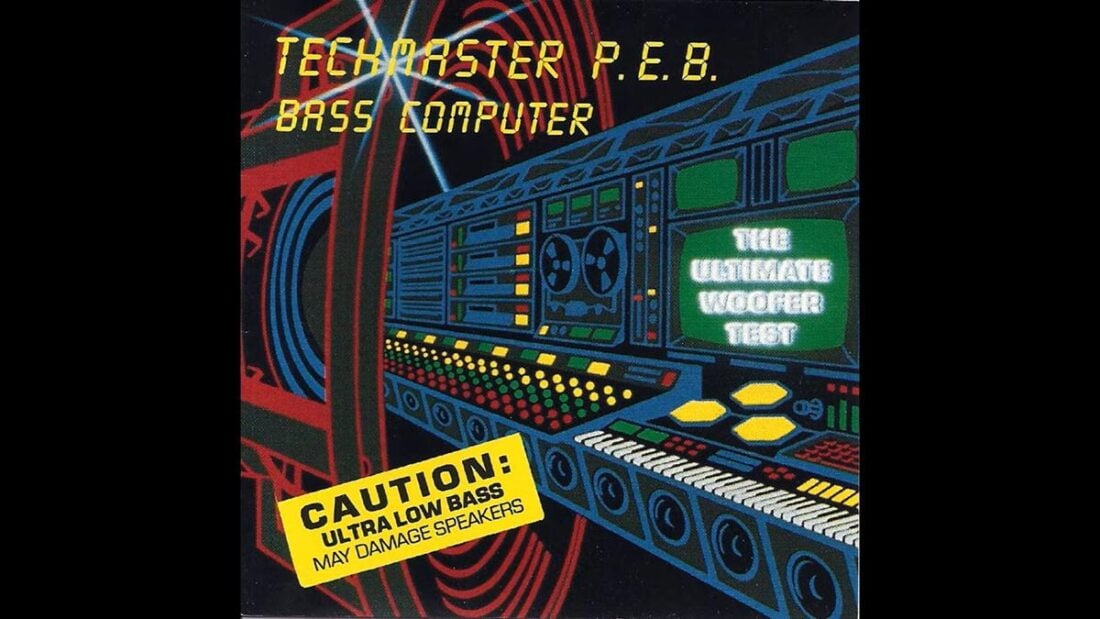
Designed specifically to stress low-frequency systems, “Bassgasm” reaches deep into the sub-bass region. It contains long sustained tones that can expose mechanical limits.
Audiophiles often use it to identify port noise, cabinet resonance, and amplifier strain. It is best played at moderate levels, since the track can push drivers hard even when it does not sound particularly loud.
What to listen for
- Port chuffing or cabinet noises.
- Distortion during low sweeps.
- Standing-wave peaks in the room.
- Pitch clarity at moderate listening levels.
5. Welcome to the Machine – Pink Floyd (4.78% of Votes)
The combination of deep synth drones, mechanical effects, and bass guitar makes this track a strong test of low-frequency separation.
The bass foundation is powerful, but the recording also contains a wide stereo image that should remain stable even during the heaviest passages. Systems that struggle with bass control often smear the drones and collapse the sense of space.
What to listen for:
- Distinction between the drone and the bass line.
- Stable stereo imaging during heavy bass passages.
- Even tonal balance across the low end.
- Whether the mechanical textures remain intelligible.
6. Morph the Cat – Donald Fagen (4.36% of Votes)
Freddie Washington’s bass is recorded with exceptional clarity, making this one of the best references for bass tone and timing rather than sheer depth.
The line locks tightly with the drums and sits perfectly within the mix. Any exaggeration in the low end becomes obvious.
What to listen for:
- The character of the bass guitar itself.
- Tight synchronization with the kick drum.
- Subtle variations in note attack.
- Whether vocals and horns remain unmasked.
7. Limit to Your Love – James Blake (4.12% of Votes)
“Limit to Your Love” has become one of the modern reference tracks for sub-bass testing because of its enormous low-frequency drops beneath a sparse piano-and-vocal arrangement.
The contrast between the intimate top end and the massive bass pulses makes it easy to hear whether a system can reproduce very low frequencies cleanly. Poor setups often turn the bass into an indistinct rumble or cause the vocal image to lose focus.
What to listen for:
- Clean onset of each bass pulse.
- Controlled decay after the hit.
- Vocal stability during the deepest notes.
- Signs of amplifier or driver strain.
8. Glory Box – Portishead (3.81% of Votes)

The descending bass progression gives this track unusual value because it moves through several low frequencies in quick succession. A well-balanced system gives each note similar weight, while room modes can make one pitch suddenly swell, disappear, or linger longer than the others.
Plenty of space remains around the groove, so the kick, bass, and Beth Gibbons’ vocal should occupy clearly defined layers rather than blending into a warm but indistinct haze.
What to listen for:
- Whether one note in the descending phrase sounds louder or softer than the rest.
- A distinct attack from the kick beneath the longer bass notes.
- Clear pitch changes rather than a continuous low-frequency swell.
- Beth Gibbons’ vocal remaining centered and focused above the groove.
9. Roundabout – Yes (3.45% of Votes)

Chris Squire’s aggressive playing makes “Roundabout” a benchmark for bass articulation and speed.
The recording does not emphasize extreme sub-bass, but it does contain rapid runs, accents, and a bright pick attack that quickly exposes sluggish transient response. A good system should keep every note distinct while preserving the characteristic clank of Squire’s technique.
What to listen for:
- Distinct rapid-fire notes.
- Clean pick attack.
- Mid-bass presence without muddiness.
- String clank that sounds detailed, not harsh.
10. Private Investigations – Dire Straits (3.43% of Votes)
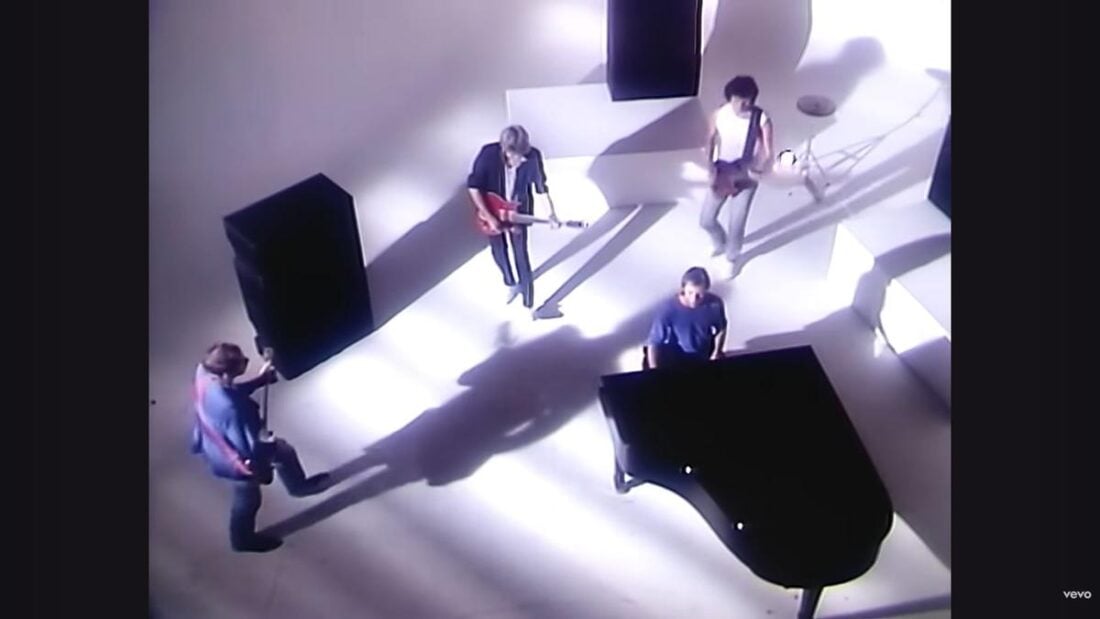
This track alternates between near-silence and powerful low-frequency impacts, making it useful for testing both resolution and dynamic control.
The bass enters and recedes throughout the arrangement. Subtle low-level details should remain audible during the quiet passages, while the larger hits arrive with real impact as the track builds. Excessive room resonance often shows up as lingering boom after the larger hits.
What to listen for:
- Bass detail during the soft sections.
- Natural scaling as the arrangement builds.
- Absence of lingering boom after impacts.
- Preservation of ambience and reverb.
11. Apollo – Alan Parsons (3.14% of Votes)

Deep synthesized notes sit beneath wide, atmospheric keyboards in “Apollo.” The low end supplies much of the track’s scale, but it should not pull the soundstage inward or obscure the lighter textures surrounding it.
As the synth line moves through its range, each note should carry convincing weight without one frequency dominating the room. Excess output can make the production feel smaller and heavier than intended.
What to listen for:
- Whether the lowest synth notes remain individually traceable.
- Consistent weight as the line moves between pitches.
- Keyboard layers that continue extending beyond the speakers.
- A stable center image during the larger synth swells.
12. Shaking the Tree – Peter Gabriel (3.05% of Votes)
The groove on this track is built around a prominent bass line and layered percussion, making it ideal for evaluating timing and note control.
While the repeated patterns are simple enough to expose sluggish bass response, the arrangement contains enough detail to reveal whether the low end is masking the rhythmic textures around it.
What to listen for:
- Tight locking between bass and drums.
- Controlled note lengths and muting.
- Clear percussion above the bass.
- Whether the vocal remains forward in the mix.
13. The Chain – Fleetwood Mac (2.86% of Votes)

The famous bass riff arrives late in the song, around the 3:00 mark, which makes its impact easy to judge. When the coda begins, the low end should feel powerful and driving without overwhelming the mix.
The repeated quarter-note pattern is also excellent for revealing room resonances because the same notes are struck again and again.
What to listen for:
- Strong but controlled entry of the bass riff.
- Distinct separation between repeated notes.
- Clear slides between pitches.
- Whether low E notes trigger room boom.
14. Passenger 57 (Main Title) – Stanley Clarke (2.79% of Votes)
Stanley Clarke’s score layers bass guitar, orchestral low strings, and synthesized tones within the same register. Although they often arrive together, each source has a different attack and texture that should remain identifiable.
The challenge increases during the larger swells, when the low end gains weight without becoming a single undifferentiated mass.
A capable system preserves the plucked character of the bass guitar alongside the smoother orchestral and electronic layers.
What to listen for:
- The sharper attack of the bass guitar against the sustained low strings.
- Synth tones that remain separate from the orchestral foundation.
- Dynamic swells that grow without flattening or hardening.
- Low-frequency layers retaining their identities during the loudest peaks.
15. One of These Days – Pink Floyd (2.70% of Votes)
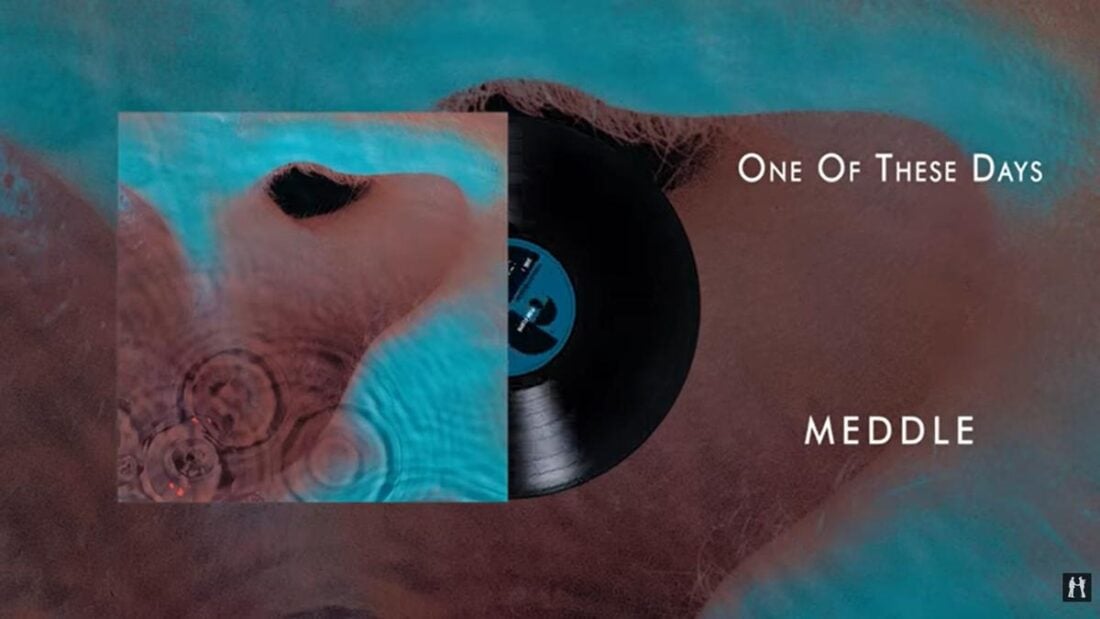
A heavily processed dual-bass line dominates this track. Its repetitive nature makes it an excellent test of bass timing and decay. Any smearing becomes more distinct with each repetition.
The panning effects also help evaluate channel separation while the low end remains extremely prominent.
What to listen for:
- Articulation of the repeating bass figure.
- Audible processing and modulation on the bass.
- Clear left-right movement of the effects.
- Whether the kick drum remains distinct.
16. Firth of Fifth – Genesis (2.61% of Votes)

Although best known for its piano and guitar passages, “Firth of Fifth” becomes especially revealing once the full arrangement opens up. Sustained bass pedals sit beneath the kick, toms, and bass guitar, making any loss of control easy to hear.
A balanced system keeps those low notes steady as the music grows denser. One pitch should not suddenly swell, fade, or continue ringing long after the others.
What to listen for:
- Separation between the bass guitar and kick during the heavier passages.
- Whether one pedal note becomes noticeably louder or softer than the next.
- A natural increase in bass weight as the arrangement expands.
- Toms that retain their body above the sustained pedal tones.
17. Enter Sandman – Metallica (2.48% of Votes)

This is a classic test of kick-drum and bass-guitar integration.
The bass largely doubles the guitar riffs while the kick delivers sharp low-frequency impacts, so a good system should keep those elements separate even when they occur together. Poor bass control often turns the main riff into a single thudding mass.
What to listen for:
- Distinct kick impacts.
- Clear articulation of the main riff.
- Controlled mid-bass energy.
- Whether the track remains engaging at higher volume.
18. Come Together – The Beatles (2.39% of Votes)

Paul McCartney’s bass line is thick, melodic, and unusually prominent for a rock recording of its era. The tone contains grit and midrange texture that should remain audible, not be swallowed by the low end.
This makes the track a solid option for judging bass character and low-mid clarity.
What to listen for:
- Definition of the descending riff.
- Slides and articulation in the bass line.
- Separation from Ringo’s drum fills.
- Whether the low mids become congested.
19. Limelight – Rush (2.35% of Votes)
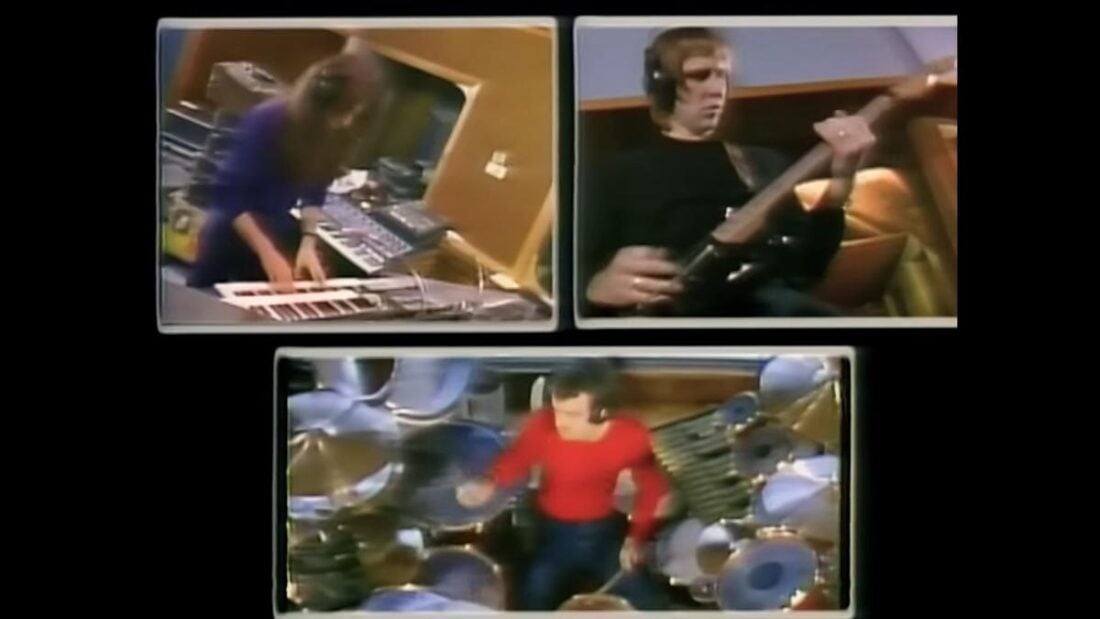
Geddy Lee’s bright, aggressive bass tone provides a different challenge from the deep sub-bass tracks on this list.
The bass competes with dense guitars and drums, so the test here is whether a system can preserve the line’s harmonic detail and rhythmic presence without turning the mix into a thick wall of sound.
What to listen for:
- Clarity of the bass line in busy sections.
- String attack and fretboard texture.
- Separation from guitars.
- Consistent presence through the chorus.
20. Slave to the Rhythm – Grace Jones (2.30% of Votes)
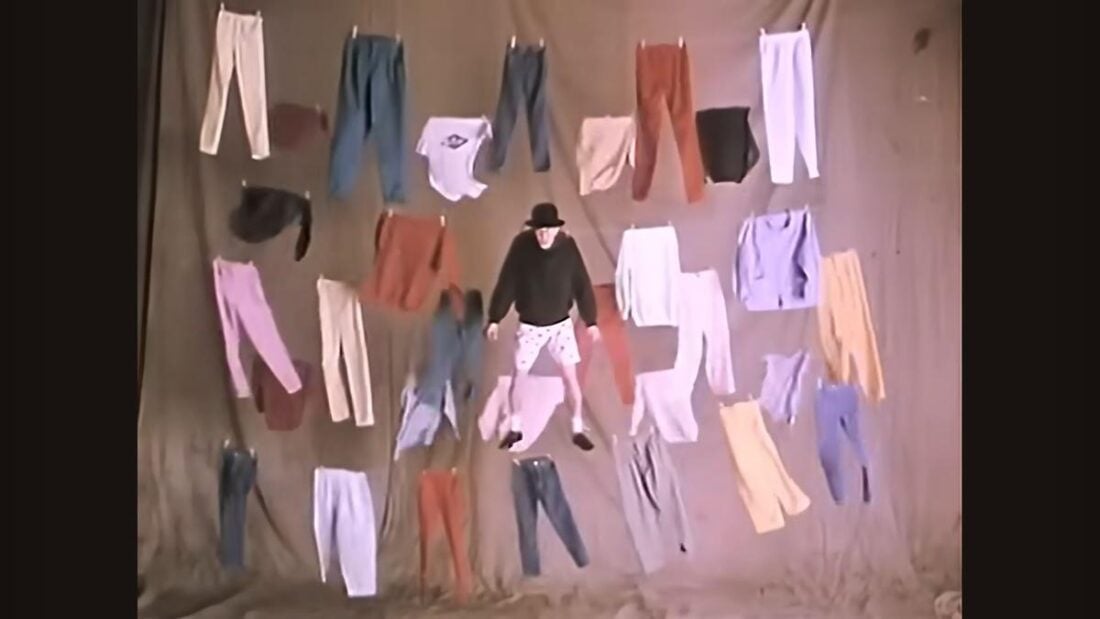
The low end on this track is built around a heavily processed, robotic electric bass groove that repeats for long stretches. Because the pattern is so mechanically steady, timing errors and room overhang become exceptionally easy to detect.
A good system should deliver a strong, explosive punch while still revealing the subtle arrangement variations and fills that emerge later in the track.
What to listen for:
- Precise locking between bass and drums.
- Subtle fills that emerge later in the track.
- Strong punch without excessive boom.
- Retention of bass texture during sustained passages.
21. Lucky Man – Emerson, Lake & Palmer (2.19% of Votes)

Most of the song is relatively light, but the famous Moog synthesizer section near the end makes it a fitting low-frequency test. The analog synth produces deep, resonant notes that can reveal rattles, room resonances, and weak sub-bass extension.
Plus, the contrast with the earlier acoustic arrangement makes changes in tonal balance easy to hear.
What to listen for:
- Clean extension during the Moog solo (from around 3:20 forward).
- Absence of buzzing or rattling.
- Stable low-frequency weight.
- Natural transition from the acoustic section.
22. Why So Serious? – Hans Zimmer (2.17% of Votes)
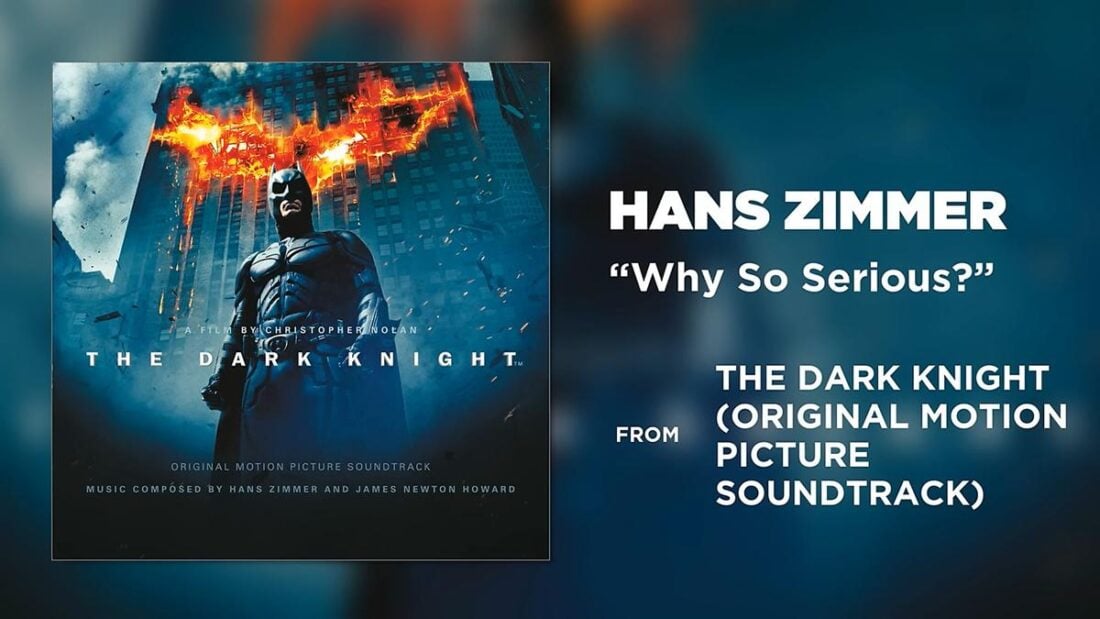
Few movie tracks are referenced by audiophiles as often as this one. Around 3:27, the soundtrack introduces extremely deep synthesized bass that continues to evolve for several minutes.
This section is valuable because it tests both sub-bass extension and pitch definition. The low frequencies need to come across as distinct musical events rather than a single wall of pressure.
What to listen for:
- Sub-bass pitch changes from about 3:27 onward.
- Smooth decay without room boom.
- Retention of distant percussion detail.
- Stable imaging during the deepest passages.
23. Heart of the Sunrise – Yes (2.13% of Votes)
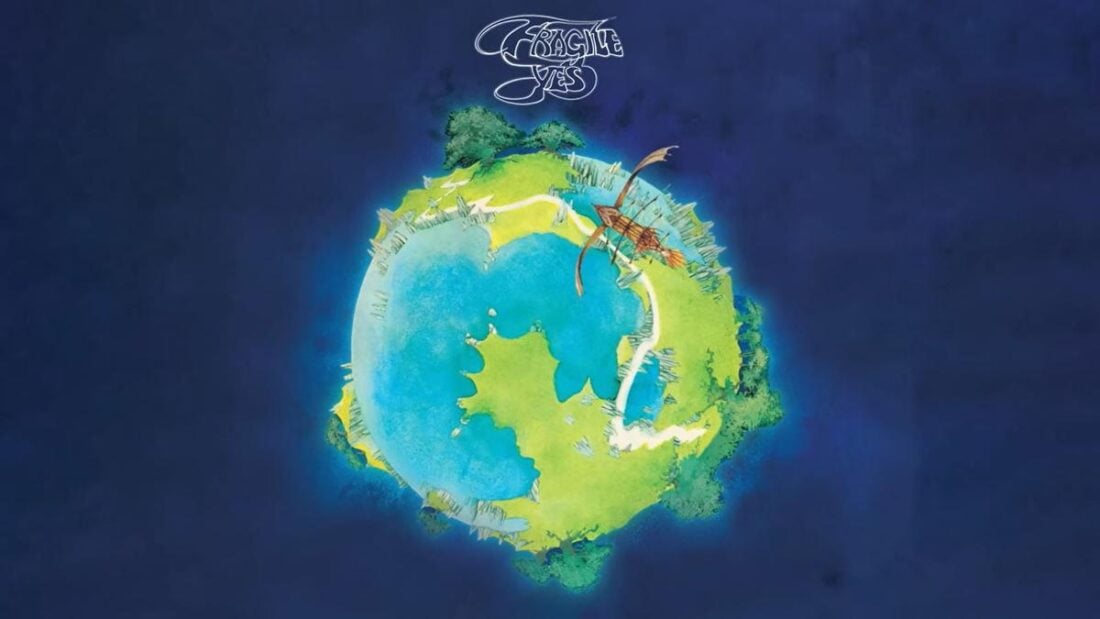
“Heart of the Sunrise” gives a system very little time to recover. Chris Squire’s bass races through the opening figure while the keyboards and drums occupy much of the same musical space, so sluggish response quickly turns the passage into a blur.
Speed is only part of the challenge. The bass must also retain its sharp attack and recognizable tone as the song moves between restrained passages and sudden full-band surges.
What to listen for:
- Whether you can count the individual notes in the opening figure.
- Clear separation between the bass and keyboards when their parts overlap.
- Consistent bass presence through the quiet-to-loud transitions.
- Clean re-entry of the low end after the track’s pauses and softer passages.
24. Black Cow – Steely Dan (2.08% of Votes)
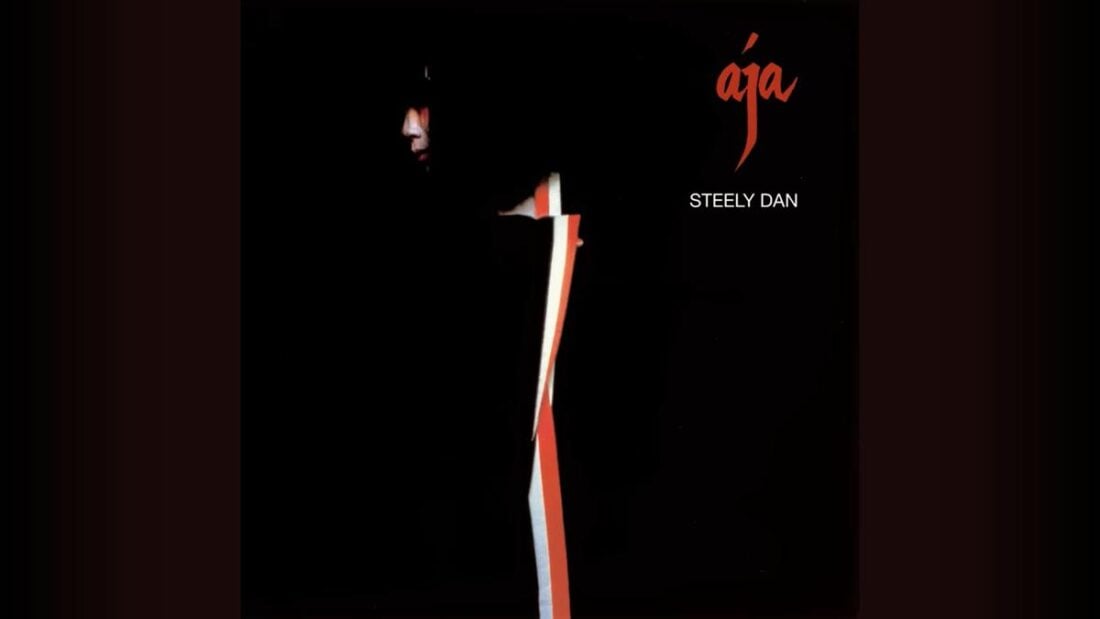
Chuck Rainey’s bass line is a masterclass in groove and micro-dynamics. The recording is exceptionally balanced, which makes it a strong reference for bass integration rather than raw output.
The magic lies in the small details, from the ghost notes to the subtle shifts in attack that give the performance its effortless feel.
What to listen for:
- Ghost notes and rhythmic embellishments.
- Consistent note weight across registers.
- Separation from the kick drum.
- Whether the Rhodes and vocals remain clear.
25. Blinding Lights – The Weeknd (1.95% of Votes)
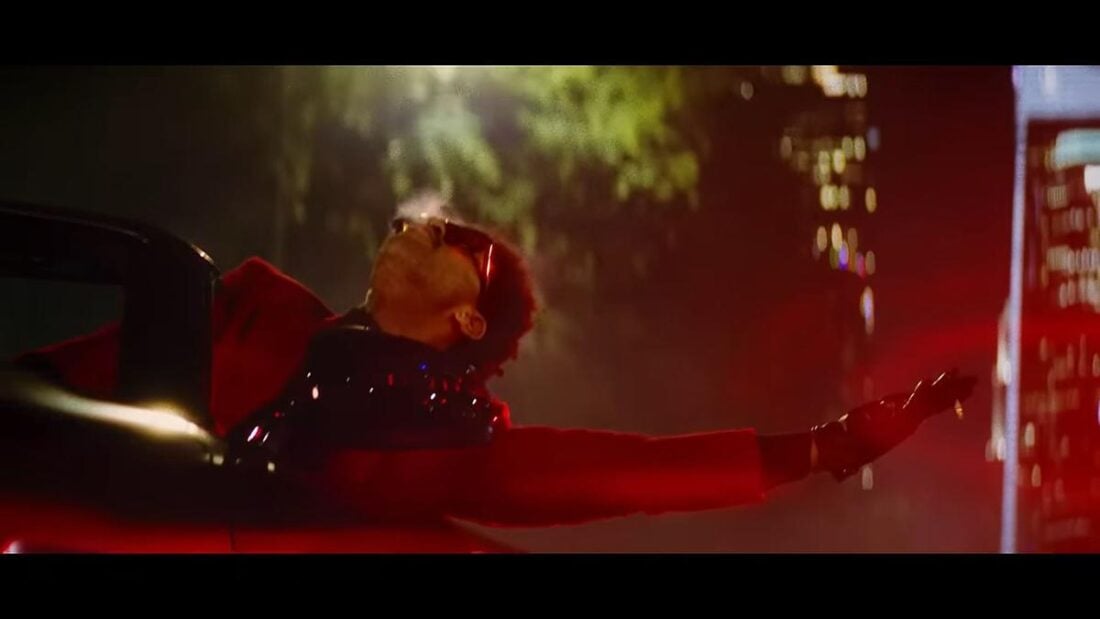
This modern synth-pop production places a short, punchy electronic kick against a deeper synth-bass line with a longer tail. Both should land with authority while remaining easy to distinguish.
Bright upper synths fill much of the remaining space, making excess low-frequency energy especially noticeable. When bass control slips, the groove thickens and the crisp edges of the production begin to soften.
What to listen for:
- A quick initial impact from the kick followed by the longer synth-bass decay.
- Clear separation when the kick and bass arrive together.
- Consistent punch as the arrangement becomes fuller.
- Upper synths that remain crisp at higher listening levels.
26. Jump into the Fire – Harry Nilsson (1.93% of Votes)
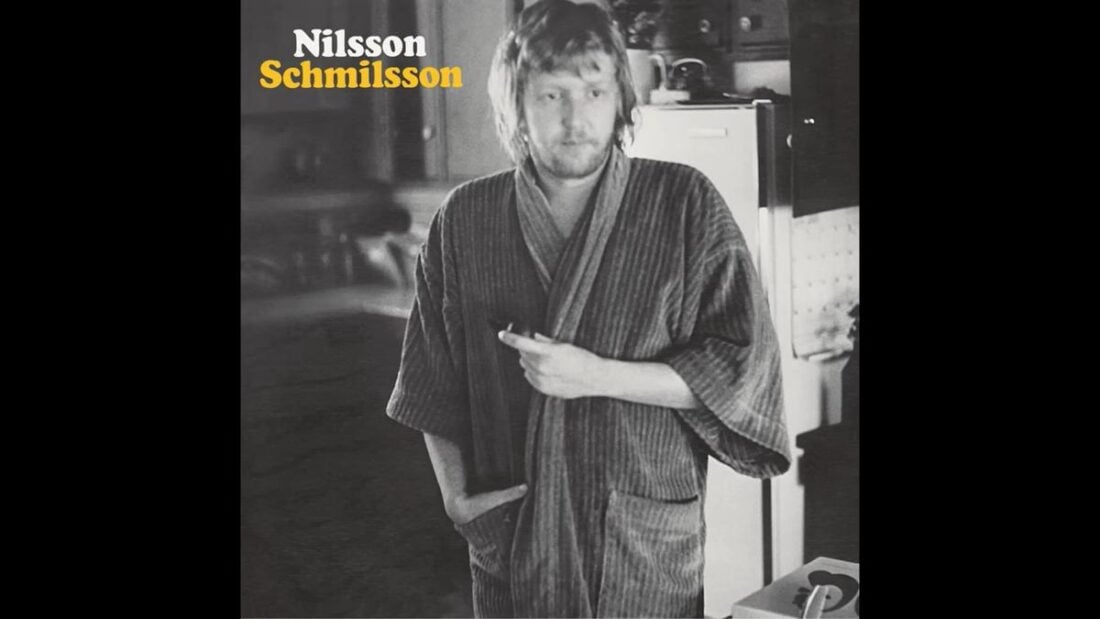
The bass line becomes increasingly dominant as the track builds, eventually driving much of the song’s energy. Since the riff is both repetitive and highly active, it exposes sluggish transient response and poor bass articulation.
Ideally, your system should keep the line propulsive and textured. Turning it into a continuous blur is a big no-no.
What to listen for:
- Rhythmic drive of the main riff.
- Clear separation of fast bass figures.
- Retention of texture as the arrangement intensifies.
- Absence of mid-bass congestion.
27. Acid Rain – Lorn (1.84% of Votes)

Lorn’s production is built around dark, heavy synth bass with very little competing information in the mix. As the low end carries much of the musical content, the song is an excellent test of sub-bass resolution.
When reproduced well, the bass feels layered and expressive, with subtle shifts in tone and movement that add depth to the track.
What to listen for:
- Depth and shape of the sub-bass.
- Audible pitch movement.
- Room resonances during sustained notes.
- Texture within the distorted synth bass.
28. Hyperballad – Björk (1.77% of Votes)

The bass and electronic beat gradually build beneath Björk’s intimate vocal, making this track a go-to for judging low-end integration.
The challenge is maintaining vocal clarity while the bass becomes progressively more prominent. Systems with excessive bass bloom often cause the vocal image to lose focus as the arrangement thickens.
What to listen for:
- Smooth buildup of bass energy.
- Vocal stability during heavy sections.
- Detail within individual bass hits.
- Controlled decay when the beat drops out.
29. Fly on a Windshield – Genesis (1.70% of Votes)
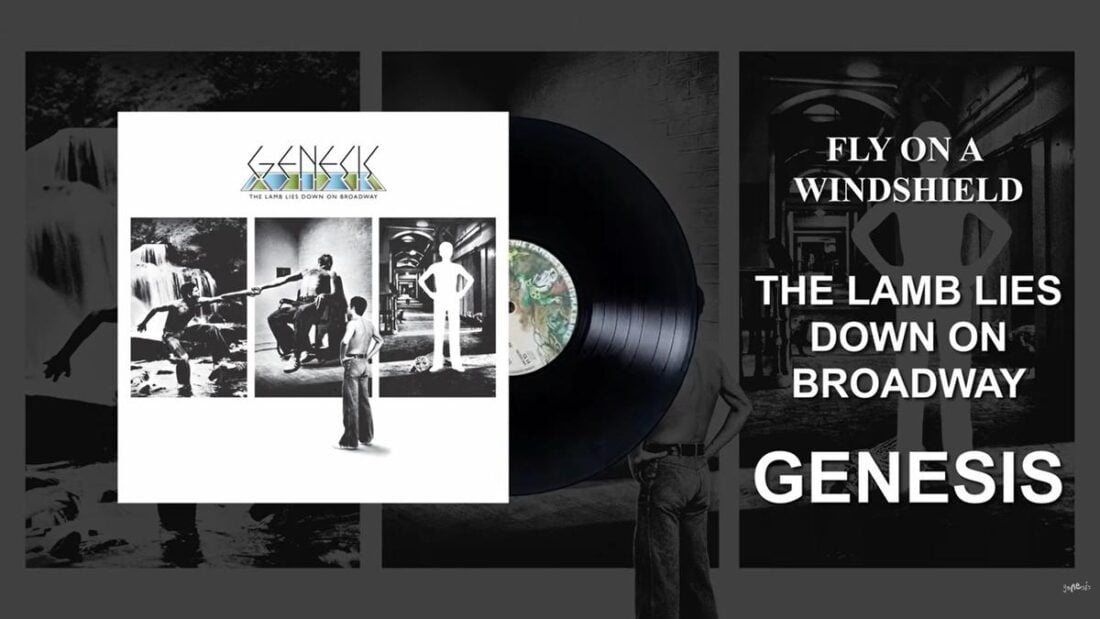
The ominous low-register instrumentation creates a huge sense of scale. Bass guitar, pedals, and dense keyboards gradually combine beneath the drums, turning the heavier entrance into a demanding test of layering and control.
Each low-frequency source should contribute to the impact without erasing the others. The sound can feel massive, but the pitch movement and drum ambience should remain audible inside that weight.
What to listen for:
- Clear pitch changes within the sustained low-register passages.
- A smooth rise in weight as the full arrangement enters.
- Separation between the bass, keyboards, and drums.
- A large presentation that does not collapse into undifferentiated rumble.
30. Hand of Doom – Black Sabbath (1.68% of Votes)
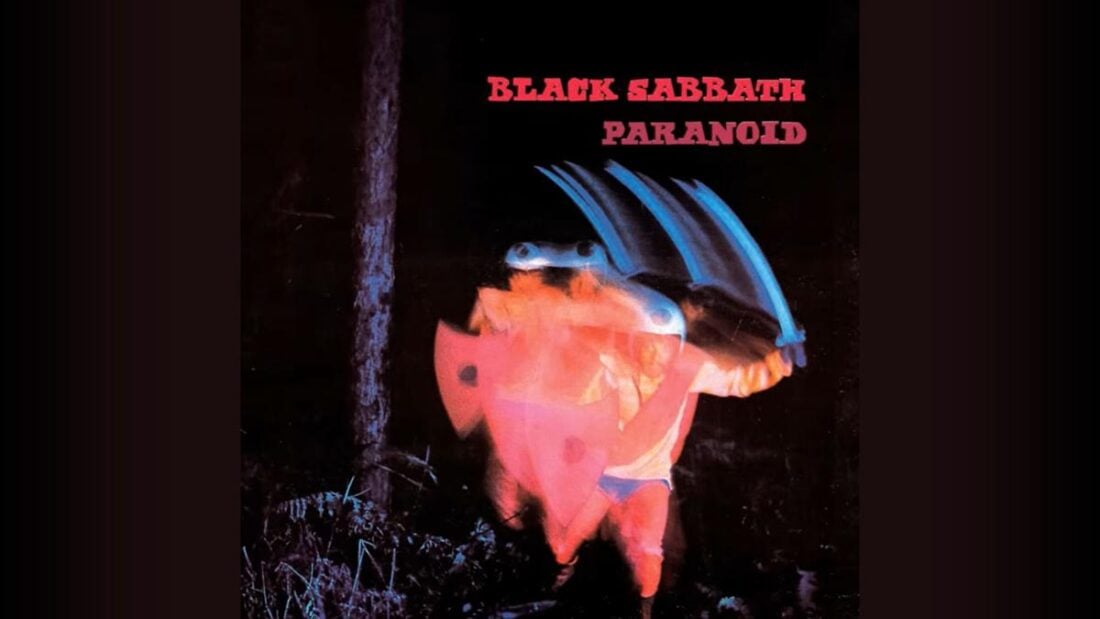
On “Hand of Doom,” Geezer Butler’s bass behaves almost like a lead instrument. The opening line moves through slides and hammer-ons with a thick, distorted tone before the guitars and drums begin closing in around it.
A capable system preserves the pitch, growl, and movement of the performance as the arrangement becomes heavier. Lesser setups reduce the line to a dark mass in which the notes are felt but no longer easy to follow.
What to listen for:
- Clear spaces between the notes in the opening riff.
- Downward slides that sound like continuous movement rather than a sudden increase in bass.
- Low D notes that retain pitch and body instead of becoming blunt thuds.
- A bass line that remains followable once the drums and guitars intensify.