

A few of these landmarks could never be made today under current sampling laws.
A lot of ’80s music still sounds familiar because later artists kept borrowing from it. You can hear it in modern pop vocals, hip-hop production, alternative rock dynamics, electronic music, metal, and R&B.
That is what makes the decade hard to sum up in one sound. Its most important albums pushed in different directions at once, and many of those ideas never really went away.
Here are 50 records that show how much ground the ’80s covered.
- 1. Michael Jackson – Thriller (1982)
- 2. Prince – Purple Rain (1984)
- 3. Madonna – Like a Prayer (1989)
- 4. Janet Jackson – Control (1986)
- 5. George Michael – Faith (1987)
- 6. Whitney Houston – Whitney Houston (1985)
- 7. Peter Gabriel – So (1986)
- 8. Cyndi Lauper – She’s So Unusual (1983)
- 9. Sade – Diamond Life (1984)
- 10. Anita Baker – Rapture (1986)
- 11. U2 – The Joshua Tree (1987)
- 12. Guns N’ Roses – Appetite for Destruction (1987)
- 13. Bruce Springsteen – Born in the U.S.A. (1984)
- 14. AC/DC – Back in Black (1980)
- 15. Grace Jones – Nightclubbing (1981)
- 16. Laurie Anderson – Big Science (1982)
- 17. Stevie Ray Vaughan and Double Trouble – Texas Flood (1983)
- 18. Metallica – Master of Puppets (1986)
- 19. Iron Maiden – The Number of the Beast (1982)
- 20. Wynton Marsalis – Black Codes (From the Underground) (1985)
- 21. Slayer – Reign in Blood (1986)
- 22. Public Enemy – It Takes a Nation of Millions to Hold Us Back (1988)
- 23. Run-DMC – Raising Hell (1986)
- 24. N.W.A – Straight Outta Compton (1988)
- 25. Beastie Boys – Paul's Boutique (1989)
- 26. Eric B. & Rakim – Paid in Full (1987)
- 27. De La Soul – 3 Feet High and Rising (1989)
- 28. The Smiths – The Queen Is Dead (1986)
- 29. R.E.M. – Murmur (1983)
- 30. Pixies – Doolittle (1989)
- 31. Sonic Youth – Daydream Nation (1988)
- 32. The Replacements – Let It Be (1984)
- 33. Black Uhuru – Anthem (1984)
- 34. The Jesus and Mary Chain – Psychocandy (1985)
- 35. The Stone Roses – The Stone Roses (1989)
- 36. Steve Earle – Guitar Town (1986)
- 37. King Sunny Adé – Juju Music (1982)
- 38. Black Flag – Damaged (1981)
- 39. Talking Heads – Remain in Light (1980)
- 40. Depeche Mode – Music for the Masses (1987)
- 41. Kraftwerk – Computer World (1981)
- 42. Duran Duran – Rio (1982)
- 43. The Cure – Disintegration (1989)
- 44. Joy Division – Closer (1980)
- 45. New Order – Power, Corruption & Lies (1983)
- 46. Kate Bush – Hounds of Love (1985)
- 47. Tom Waits – Rain Dogs (1985)
- 48. Paul Simon – Graceland (1986)
- 49. Cocteau Twins – Treasure (1984)
- 50. Talk Talk – Spirit of Eden (1988)
- 1. Michael Jackson – Thriller (1982)
- 2. Prince – Purple Rain (1984)
- 3. Madonna – Like a Prayer (1989)
- 4. Janet Jackson – Control (1986)
- 5. George Michael – Faith (1987)
- 6. Whitney Houston – Whitney Houston (1985)
- 7. Peter Gabriel – So (1986)
- 8. Cyndi Lauper – She’s So Unusual (1983)
- 9. Sade – Diamond Life (1984)
- 10. Anita Baker – Rapture (1986)
- 11. U2 – The Joshua Tree (1987)
- 12. Guns N’ Roses – Appetite for Destruction (1987)
- 13. Bruce Springsteen – Born in the U.S.A. (1984)
- 14. AC/DC – Back in Black (1980)
- 15. Grace Jones – Nightclubbing (1981)
- 16. Laurie Anderson – Big Science (1982)
- 17. Stevie Ray Vaughan and Double Trouble – Texas Flood (1983)
- 18. Metallica – Master of Puppets (1986)
- 19. Iron Maiden – The Number of the Beast (1982)
- 20. Wynton Marsalis – Black Codes (From the Underground) (1985)
- 21. Slayer – Reign in Blood (1986)
- 22. Public Enemy – It Takes a Nation of Millions to Hold Us Back (1988)
- 23. Run-DMC – Raising Hell (1986)
- 24. N.W.A – Straight Outta Compton (1988)
- 25. Beastie Boys – Paul's Boutique (1989)
- 26. Eric B. & Rakim – Paid in Full (1987)
- 27. De La Soul – 3 Feet High and Rising (1989)
- 28. The Smiths – The Queen Is Dead (1986)
- 29. R.E.M. – Murmur (1983)
- 30. Pixies – Doolittle (1989)
- 31. Sonic Youth – Daydream Nation (1988)
- 32. The Replacements – Let It Be (1984)
- 33. Black Uhuru – Anthem (1984)
- 34. The Jesus and Mary Chain – Psychocandy (1985)
- 35. The Stone Roses – The Stone Roses (1989)
- 36. Steve Earle – Guitar Town (1986)
- 37. King Sunny Adé – Juju Music (1982)
- 38. Black Flag – Damaged (1981)
- 39. Talking Heads – Remain in Light (1980)
- 40. Depeche Mode – Music for the Masses (1987)
- 41. Kraftwerk – Computer World (1981)
- 42. Duran Duran – Rio (1982)
- 43. The Cure – Disintegration (1989)
- 44. Joy Division – Closer (1980)
- 45. New Order – Power, Corruption & Lies (1983)
- 46. Kate Bush – Hounds of Love (1985)
- 47. Tom Waits – Rain Dogs (1985)
- 48. Paul Simon – Graceland (1986)
- 49. Cocteau Twins – Treasure (1984)
- 50. Talk Talk – Spirit of Eden (1988)
1. Michael Jackson – Thriller (1982)

There’s a reason Thriller still holds the title for the best-selling album of all time.
Michael Jackson, with Quincy Jones at the controls, blended pop, funk, rock, and R&B in a way no one had done before. “Beat It” brought in Eddie Van Halen for a blazing guitar solo, while “Billie Jean” locked in that unforgettable bassline.
Not to mention, the music videos didn’t just entertain. They changed how people thought about visuals in music. More than just a hit album, Thriller raised the bar for what pop could be.
2. Prince – Purple Rain (1984)

Purple Rain shows Prince at his most complete. It works both as a soundtrack and as a stand-alone masterpiece, moving from the explosive rock of “Let’s Go Crazy” to the stripped emotion of “When Doves Cry” without losing focus.
What makes the album hit so hard is how naturally it brings together funk, rock, pop, and soul. Prince shaped the record’s vision, but Purple Rain also leaned heavily on The Revolution, giving it a bigger, fuller band sound than many of his earlier releases.
As a songwriter, performer, and bandleader, Prince pulled all of that into a record that still feels unmistakably his. Few artists could blend so many styles while keeping such a clear identity.
3. Madonna – Like a Prayer (1989)

Like a Prayer marked Madonna’s growth from pop star to serious artist. This was the moment the artist confirmed she wasn’t just about catchy hooks and shock value.
The bold record tackled tricky personal themes like family, religion, and relationships within an easy-to-enjoy package. Madonna mixed catchy hooks with gospel choirs, funk bass lines, and rock guitars to create her most complete work yet.
Sure, the hot-button title track and video backed up her status as someone who stirs the pot. However, the album proved she had artistic weight beyond her image. Suddenly, pop music could be both big-selling and artistically strong.
4. Janet Jackson – Control (1986)
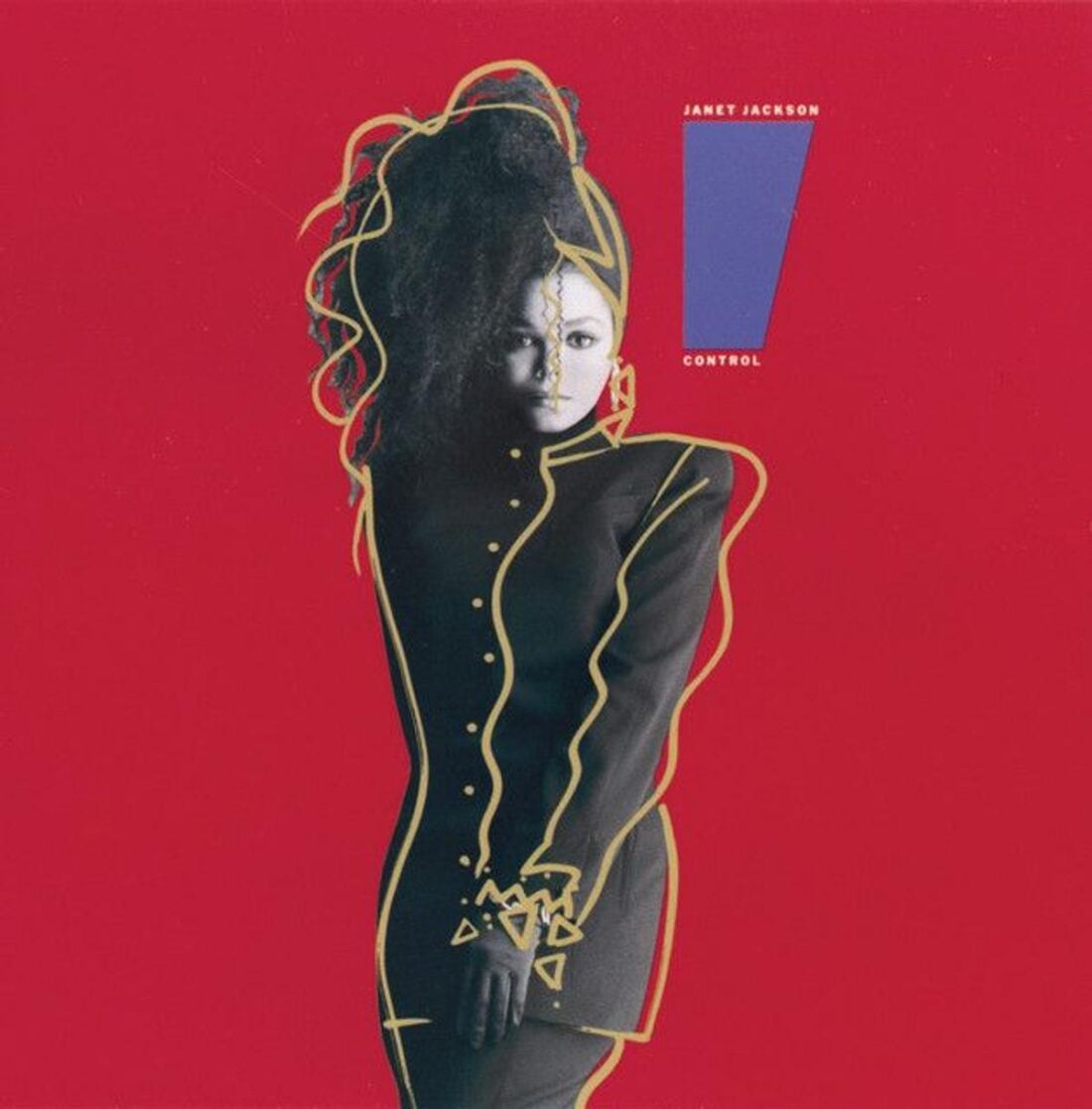
Working with producers Jimmy Jam and Terry Lewis, Jackson built a confident, modern sound mixing R&B, funk, and dance. Songs like “Nasty” and “Control” turned her from Michael Jackson’s sister into a star in her own right.
The album’s themes of independence and self-confidence connected with audiences. At the same time, Control’s sleek production reshaped contemporary R&B and pop.
Beyoncé, Britney Spears, and Ciara all owe something to the blueprint this record laid down.
5. George Michael – Faith (1987)

With Faith, George Michael stepped out from his Wham! days and showed he was much more than a teen idol.
He wrote, produced, and arranged every track, moving between upbeat rockabilly, smooth R&B, and emotional ballads.
“Father Figure” and “One More Try” gave the album its soul, while the title track brought swagger. It’s polished, personal, and full of range without trying too hard.
By the time he took home Album of the Year at the Grammys, the music world knew Michael was the real deal.
6. Whitney Houston – Whitney Houston (1985)

This was the world’s first real taste of “The Voice.” Whitney Houston’s debut introduced a vocal talent so powerful and precise, it changed expectations for what pop and R&B singers could do. It also set her up as one of the most important voices of the era.
Songs like “How Will I Know” and “Saving All My Love for You” hit big with both pop and soul fans. It was not a surprise when the album kept climbing to become the best-selling debut by a solo artist, a title it still holds today.
7. Peter Gabriel – So (1986)

With So, Peter Gabriel found a sweet spot. The album mixed smart songwriting with sounds that were easy to get into. It mixed rock, world music, and pop in a way that felt thoughtful but never too serious.
“Sledgehammer” was a playful radio hit with a visually arresting video, while “In Your Eyes” brought emotional weight. The album’s catchy beats made deep music accessible for millions.
8. Cyndi Lauper – She’s So Unusual (1983)

Cyndi Lauper burst onto the scene like she’d been saving up her energy for this one shot. She’s So Unusual is full of life, color, and personality.
“Girls Just Want to Have Fun” turned into an anthem, and “Time After Time” showed she could slow it down and still hit hard.
Her voice and general vibe gave pop a much-needed shakeup. Plus, she made history as the first woman to land four top-five singles from a debut album.
9. Sade – Diamond Life (1984)

At a time when everything else was loud and flashy, Sade came in smooth and cool.
Diamond Life was all about class and calm confidence. With smoky vocals and a sleek blend of soul, jazz, and pop, songs like “Smooth Operator” stood out for all the right reasons.
It was grown-up music that didn’t try to shout over the noise, and it hit big worldwide. In fact, Sade’s sound still echoes through today’s R&B and chill-pop.
10. Anita Baker – Rapture (1986)

Anita Baker didn’t need flash to make an impact. Rapture gave listeners slow-burning R&B built on rich vocals, careful phrasing, and deep emotional control.
“Sweet Love” and “Caught Up in the Rapture” are smooth without feeling sleepy. She brought jazz phrasing into mainstream soul, giving late-’80s quiet storm a warmer, more grown-up center.
11. U2 – The Joshua Tree (1987)

For The Joshua Tree, U2 teamed up with Brian Eno and Daniel Lanois to build wide-open soundscapes that pulled from American music and themes. It paid off, as they went from big to massive.
Songs like “Where the Streets Have No Name” and “With or Without You” packed enough raw feeling to fill stadiums.
Bono’s vocals went big, and The Edge’s guitar work added space and texture. The record picked up Grammys, including Album of the Year, and gave U2 a global platform.
12. Guns N’ Roses – Appetite for Destruction (1987)

Appetite for Destruction arrived with the kind of mess, danger, and confidence that late-’80s rock badly needed. So at a time when rock was getting too shiny, Guns N’ Roses brought back grit.
“Welcome to the Jungle” sounded wild and mean, like the city it came from. Axl Rose pushed every line to the edge, while Slash delivered solos that felt raw without turning sloppy.
Critics were initially ambivalent, but the album eventually received retrospective acclaim. The band wasn’t aiming for perfection, and that roughness became a huge part of its staying power.
13. Bruce Springsteen – Born in the U.S.A. (1984)

Think of Born in the U.S.A. as a layered picture of working-class American life.
Even with its huge synth sound and stadium-ready choruses, this album had a lot on its mind. The title track, often mistaken for a patriotic anthem, is about a Vietnam veteran who returns home to face hardship. Across the album, Springsteen tells stories of factory workers, people struggling to make ends meet, and broken relationships.
That contrast between anthemic rock and deeply human storytelling is what makes the record so enduring. It affirmed that songs about ordinary people’s hopes and disappointments could become huge hits.
14. AC/DC – Back in Black (1980)

After losing their singer, Bon Scott, many bands might have folded. But AC/DC came back with Brian Johnson and made one of hard rock’s most durable albums.
Back in Black runs on heavy, simple riffs that still work because nothing feels overcomplicated. “Back in Black” and “You Shook Me All Night Long” remain arena staples because they are direct, loud, and instantly recognizable.
The album became one of the top-selling records ever by sticking closely to what AC/DC already did best.
15. Grace Jones – Nightclubbing (1981)
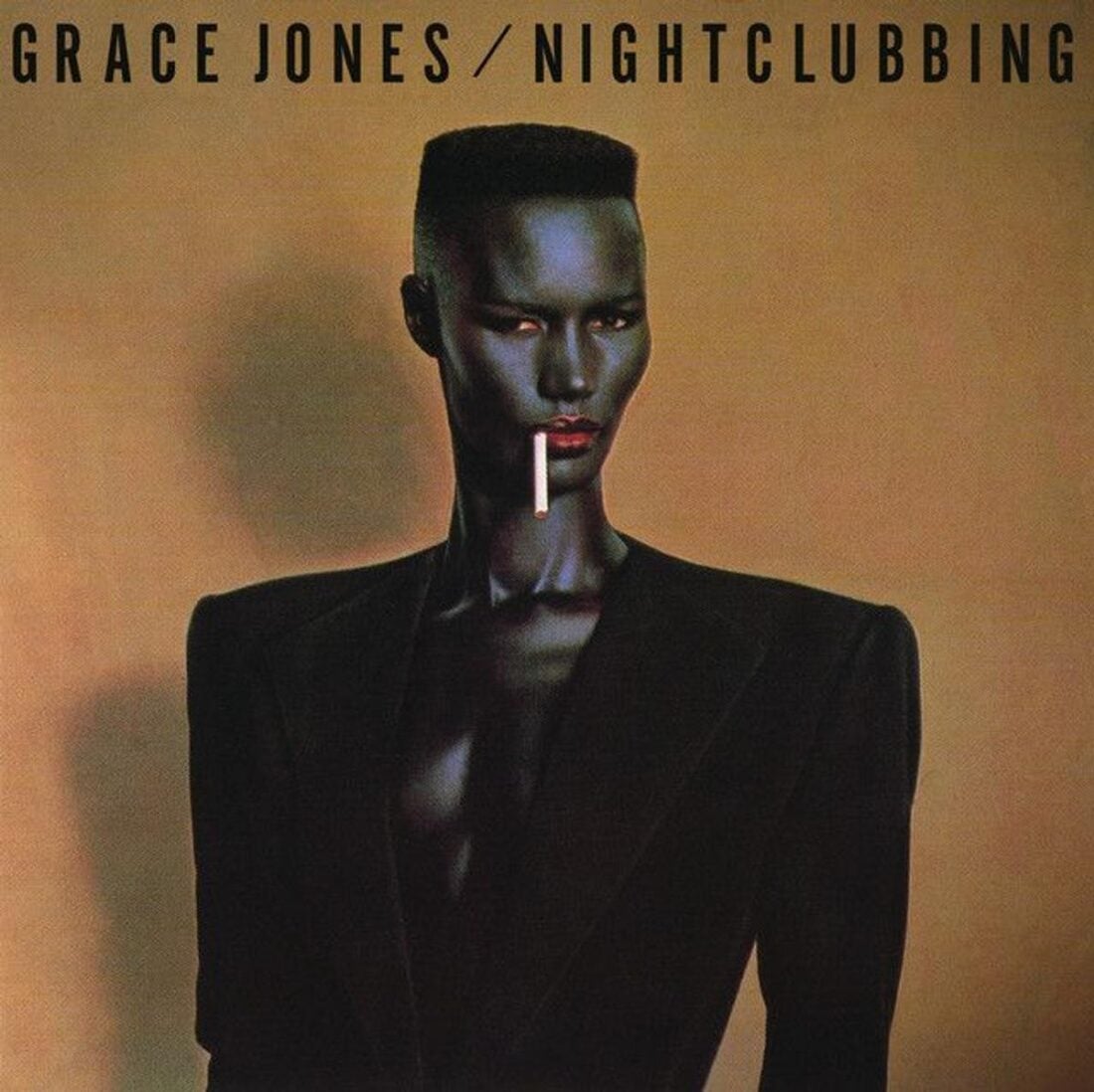
Jones reinvented herself with Nightclubbing, moving from disco icon to avant-garde force. She mixed reggae, new wave, dub, funk, and art rock with help from a team of session musicians. Every track sounds sparse and confident.
Songs like “Pull Up to the Bumper” showed off her commanding voice. Yet, the album’s visual identity mattered just as much. Jones’ androgynous image pushed against norms around gender and fashion. Artists from Lady Gaga to Rihanna trace their boldness back to this iconic record.
16. Laurie Anderson – Big Science (1982)
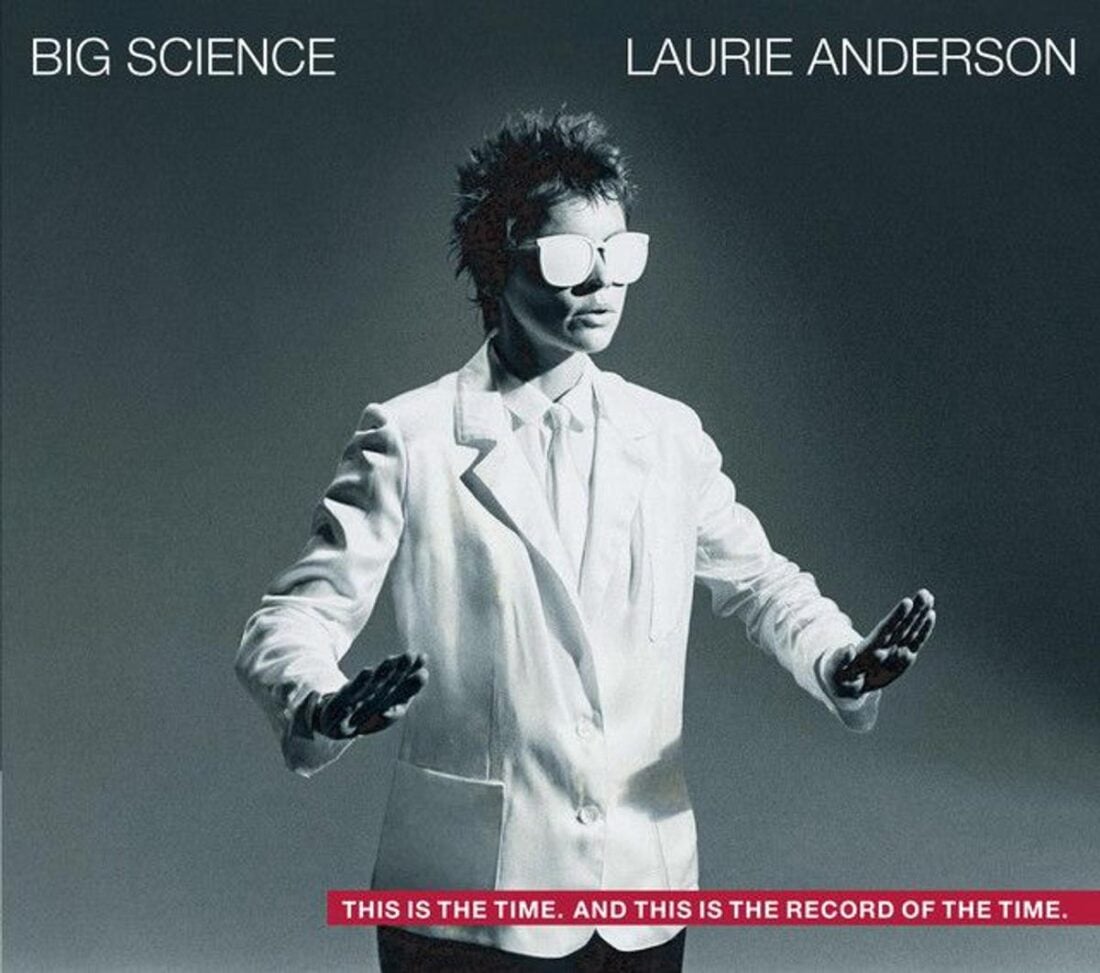
Big Science blurred the line between music and performance art. Anderson crafted it around spoken word, minimalist electronics, and tape loops.
Its single, “O Superman,” became an international hit, despite sounding like nothing else on the radio. Anderson explored technology, bureaucracy, and modern life with a wit that still lands today.
The album proved intellectual ambition and mainstream accessibility could share the same record.
17. Stevie Ray Vaughan and Double Trouble – Texas Flood (1983)

Texas Flood was recorded in just a couple of days, and that urgency comes through in the performances. The album feels raw and alive without sounding careless.
Stevie Ray Vaughan brought fiery guitar solos and deep blues vocals into a music scene dominated by synths. “Pride and Joy” and the title track made blues feel urgent again for rock listeners raised on flashier ’80s sounds.
That unpolished energy gave the record much of its force, turning a quick studio session into one of the decade’s great blues statements.
18. Metallica – Master of Puppets (1986)

Metal wasn’t expected to sound this focused, tight, and intelligent while still keeping all the force of thrash. Yet, Master of Puppets showed a band pushing aggression into something more controlled and ambitious.
Every riff locks into the next with machine-like force, while the themes of addiction, war, and control give the album more weight than speed alone could carry. Cliff Burton’s presence is especially clear in the moments where the heaviness opens into something melodic and strange.
The album raised expectations for thrash metal by proving that precision and complexity could make the music hit even harder.
19. Iron Maiden – The Number of the Beast (1982)

When Bruce Dickinson joined Iron Maiden, the band gained a voice big enough for its most dramatic ideas. His vocals gave their stories more force, whether the songs were pulling from history, myth, horror, or war.
“Run to the Hills” and the title track became metal classics, while the artwork and themes stirred up enough fear and controversy to make the album feel even larger. The Number of the Beast turned that attention into momentum.
It basically locked in the Iron Maiden formula through operatic vocals, galloping rhythms, twin-guitar leads, and songs that treated metal like widescreen storytelling.
20. Wynton Marsalis – Black Codes (From the Underground) (1985)
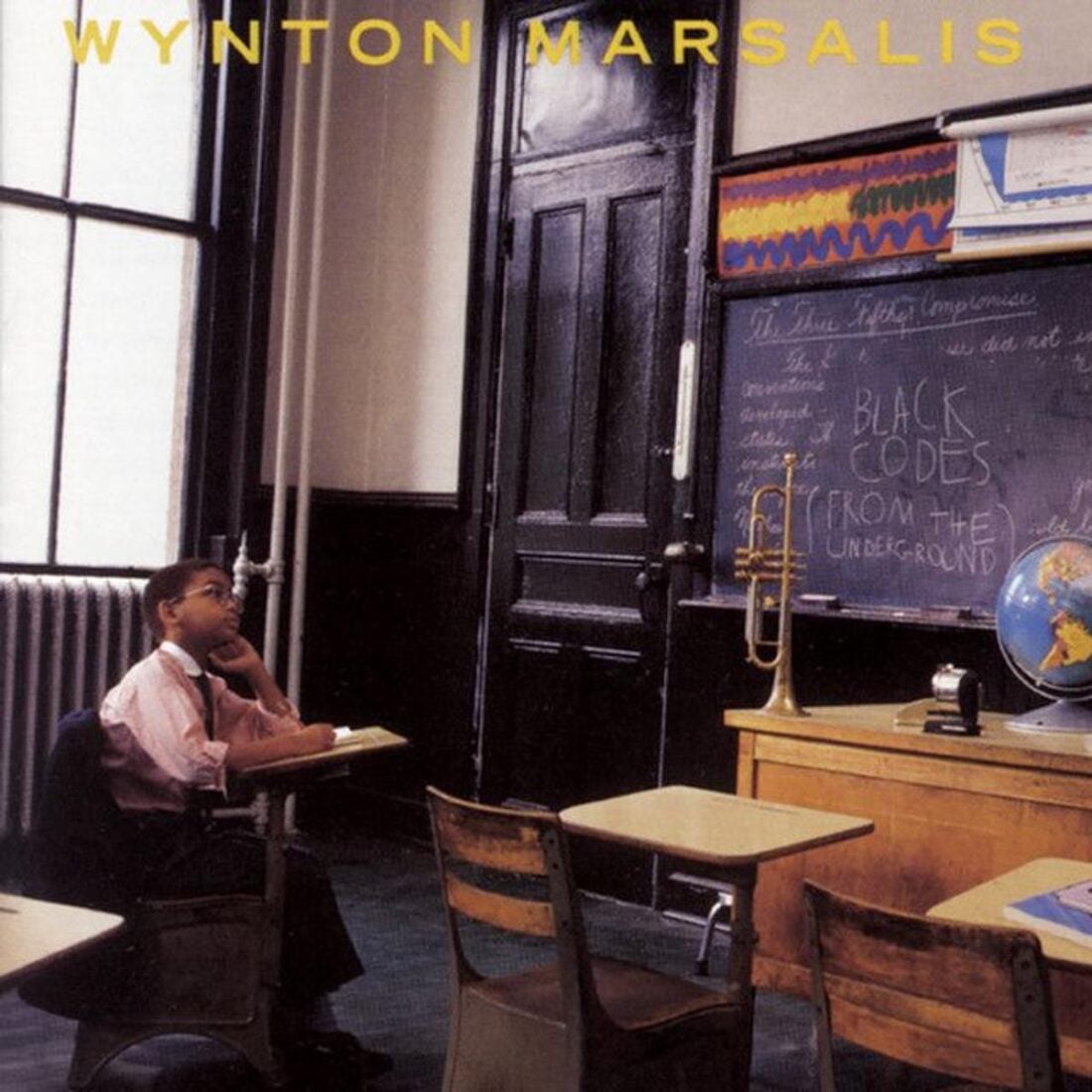
During the early ‘80s, jazz was leaning into fusion and electronics. Marsalis went the other way, returning to acoustic post-bop with sharp, modern compositions. His quintet, which included Branford Marsalis and Kenny Kirkland, played with stunning precision.
This album won two Grammys, and The Library of Congress later recognized it for cultural significance. More importantly, Marsalis emphasized that straight-ahead jazz still had room to grow.
21. Slayer – Reign in Blood (1986)

At under 30 minutes, Reign in Blood pushed extreme metal into faster, harsher, and more precise territory.
The album wastes no time easing listeners in. From the opening seconds, it moves with a level of speed and control that makes the chaos feel deliberate rather than careless. The riffs cut sharply, the drums keep pushing forward, and Tom Araya’s scream at the start of “Angel of Death” makes the record’s intent clear.
Its impact comes from how little it softens. Slayer made extreme metal feel more disciplined, more dangerous, and harder to ignore.
22. Public Enemy – It Takes a Nation of Millions to Hold Us Back (1988)

It Takes a Nation of Millions pushed political hip-hop into a louder, harder, more urgent form. The album shouts, crashes, and blasts through the speakers.
Public Enemy used layers of samples, sirens, and noise to make every track feel like an emergency. Chuck D’s voice had weight, and Flavor Flav brought chaos in the best way.
The topics were heavy, from racism and surveillance to power and media control. But the delivery was sharp, confident, and impossible to ignore. The album didn’t invent political rap, but it made it feel bigger, denser, and more confrontational than ever.
23. Run-DMC – Raising Hell (1986)

Run-DMC didn’t invent rap, but they made it huge. Raising Hell was stripped down and loud, with beats you could stomp to and rhymes you couldn’t forget. “Walk This Way” brought them together with Aerosmith and smashed down the wall between rock and hip-hop.
This was the moment when rap stopped being underground and started filling stadiums. Additionally, the way they dressed, with tracksuits, gold chains, Adidas with no laces, set the tone for a whole generation.
24. N.W.A – Straight Outta Compton (1988)

Before Straight Outta Compton, mainstream America had rarely heard hip-hop speak this directly about police brutality, systemic inequality, and life in South Central Los Angeles.
N.W.A didn’t soften those realities. They put listeners right in the middle of them through vivid storytelling and hard-hitting beats.
The album has an unfiltered sense of anger and urgency. Each track is impossible to ignore, with “F**k tha Police” equal parts controversial and groundbreaking.
25. Beastie Boys – Paul’s Boutique (1989)
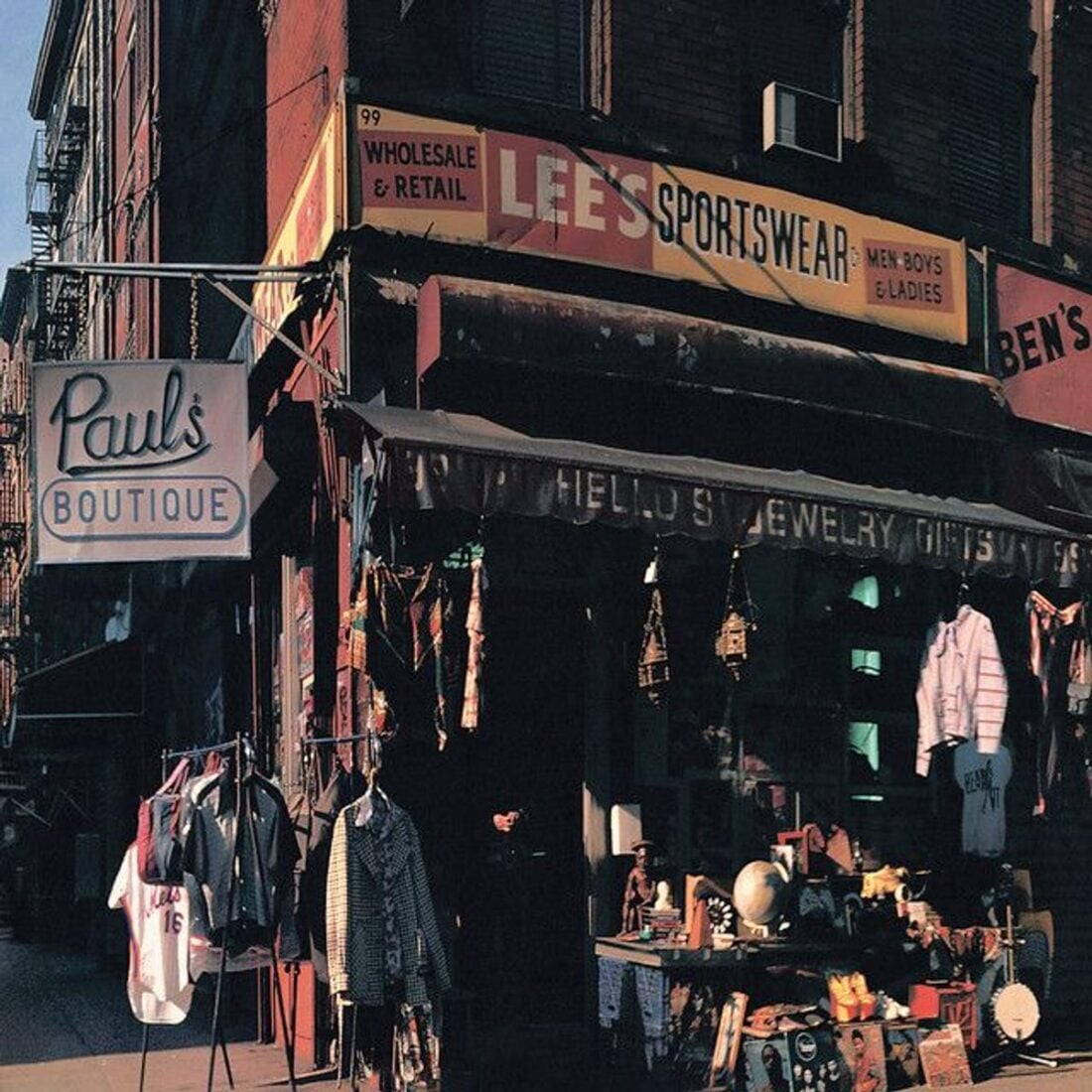
While Paul’s Boutique flopped commercially at first, it’s now seen as an innovative album. Produced by the Dust Brothers, it layers hundreds of samples from funk, rock, jazz, and soul into dense musical collages.
The samples work as building blocks, not simple loops. The Beastie Boys added clever, reference-packed lyrics on top, turning the whole record into something loose, funny, and carefully constructed at the same time.
Later lawsuits and stricter sample-clearance practices made this kind of dense sampling far harder and more expensive to repeat. That makes Paul’s Boutique feel like a landmark from a brief window when hip-hop production could still be this wild.
26. Eric B. & Rakim – Paid in Full (1987)

Paid in Full changed the art of MCing by showing how powerful control could be. Rakim rarely raised his voice, yet his calm delivery pulled listeners closer with every line.
His flow moved across the beat with unusual ease, using internal rhymes and precise timing that made his verses feel more intricate than most rap of the time. Eric B.’s loops, often pulled from James Brown records, gave the album a lean groove that left plenty of space for the voice.
The record sounds low-key on the surface, but every part of it feels locked in.
27. De La Soul – 3 Feet High and Rising (1989)

Nothing else sounded like 3 Feet High and Rising, at least not when it came out. The album delivered a new vision for hip-hop. It was weird, colorful, and full of samples from unexpected places—TV shows, folk songs, even old classroom records.
De La Soul didn’t care about looking tough. They played with language, poked fun at expectations, and built a world that felt like a cartoon with meaning. The result was a record that quietly pushed rap into new territory.
28. The Smiths – The Queen Is Dead (1986)

There’s something strangely comforting about how miserable The Queen Is Dead is.
Morrissey leans into his loneliness with lines that are bitter, funny, and dramatic, often all at once. Johnny Marr’s guitar work doesn’t try to compete with the words. Instead, it winds around them, bright and melancholic at the same time.
It’s easy to see why this album stuck with people who felt a little out of place. The band sounded like they didn’t want to belong either.
29. R.E.M. – Murmur (1983)

Murmur does not open itself up right away. Michael Stipe’s lyrics drift in and out of focus, the guitars jangle in odd patterns, and the whole album feels slightly hidden from view.
That mystery became part of its pull. At a time when much of rock was chasing bigger sounds, R.E.M. found power in restraint, mood, and suggestion.
30. Pixies – Doolittle (1989)
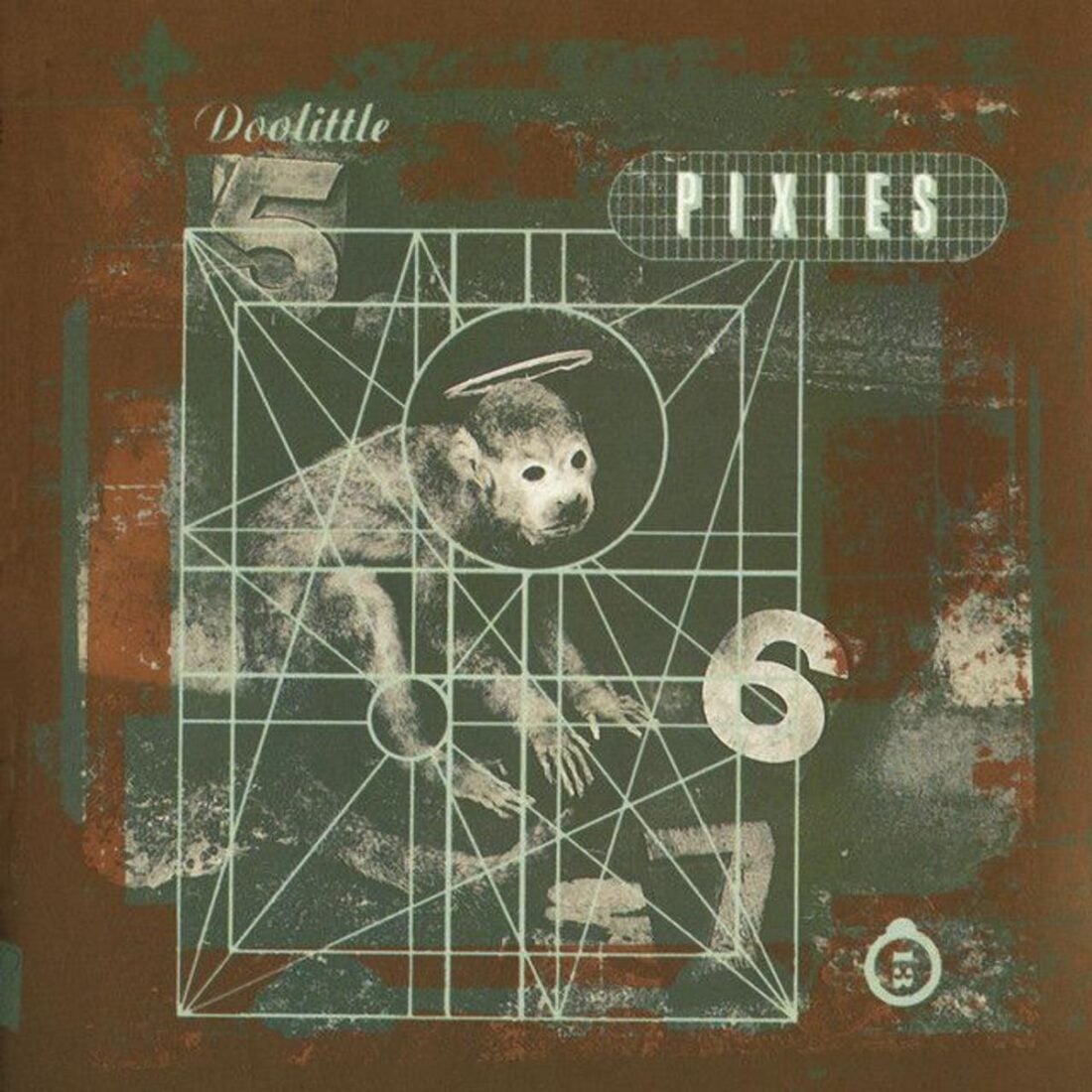
The Pixies sharpened their loud-quiet-loud dynamics on this record. Abrasive guitars, surreal lyrics, and sudden bursts of volume made the album feel unstable without losing its pop instincts.
Songs like “Debaser” and “Here Comes Your Man” balance hooks with weirdness in a way that felt unusual at the time. The band could sound catchy, violent, funny, and off-balance within the same track.
It wasn’t a commercial smash at first, but its reach grew through the alternative bands that followed.
31. Sonic Youth – Daydream Nation (1988)

Daydream Nation marked a high point for American indie rock by making noise feel expansive instead of chaotic.
The guitars use unusual tunings, the songs often stretch past normal rock structures, and the band lets tension build without rushing toward easy release. There is melody inside the noise, but the album makes listeners work for it.
That balance of distortion, patience, and structure gave underground guitar music a larger sense of possibility. Daydream Nation showed that experimental rock could be ambitious without becoming polished or safe.
32. The Replacements – Let It Be (1984)

Let It Be caught The Replacements’ shift from hardcore punks to touching songwriters. It’s unruly, and that’s part of the charm.
You get half-shouted punk tracks, then suddenly a soft piano ballad about gender identity. The Replacements were figuring it out as they went, and you can hear that in every track. Paul Westerberg’s voice cracks more often than it soars, but he always means it.
That mix of recklessness and vulnerability ended up influencing a lot of what came next, especially in the ‘90s.
33. Black Uhuru – Anthem (1984)
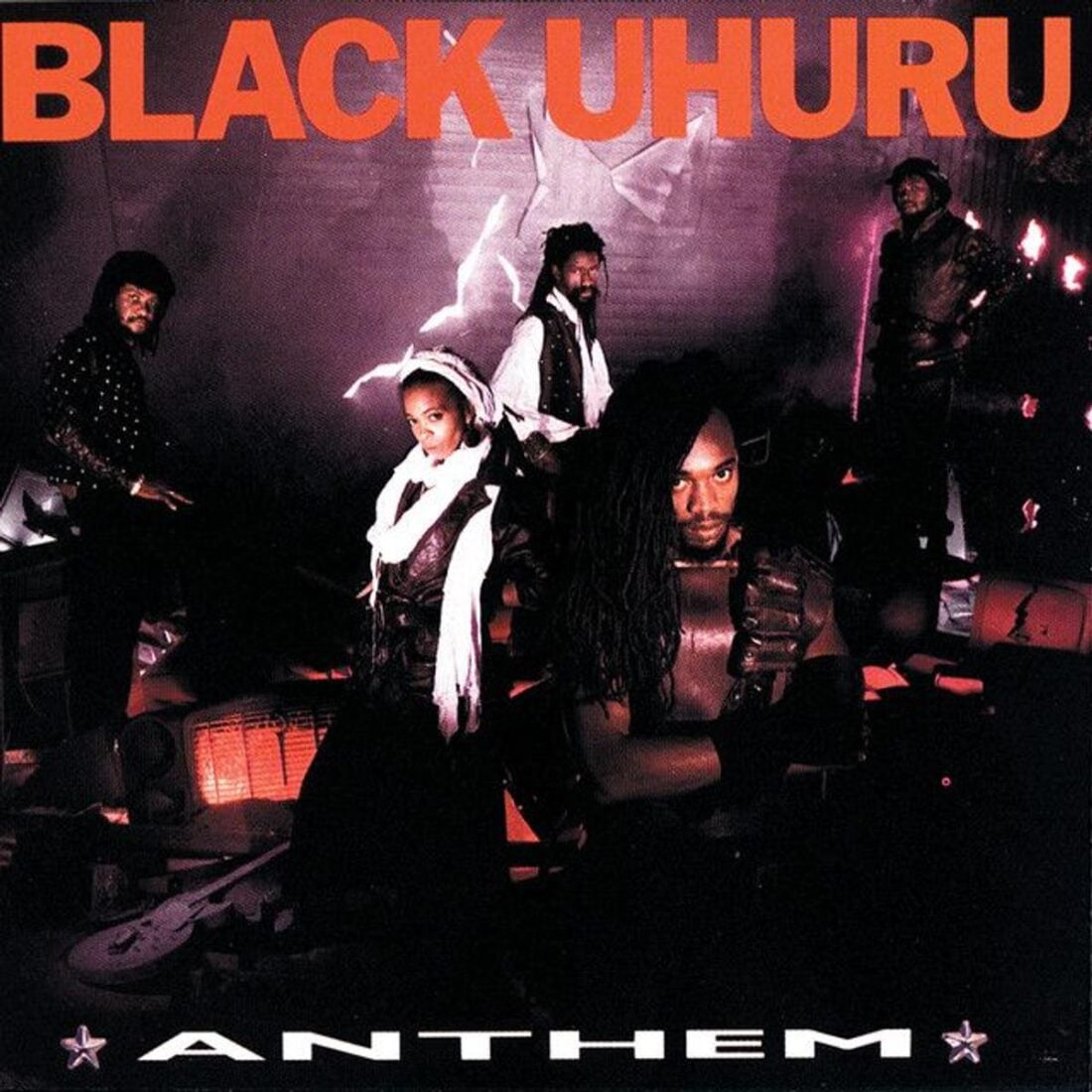
On Anthem, Black Uhuru combined roots reggae with sharper production and politically conscious lyrics. The sound reached longtime fans while also making room for new listeners around the world.
The album became the first Grammy winner for Best Reggae Recording, giving reggae new institutional recognition after the genre had already reached global audiences.
Its polished production presented roots reggae in a form that felt ready for wider award recognition without stripping away its politics, rhythm, or identity.
34. The Jesus and Mary Chain – Psychocandy (1985)

Psychocandy made a new sound by joining opposites. The melodies are soft and almost sweet. Meanwhile, the guitars are not.
That’s the trick behind Psychocandy. It layers sticky ‘60s-style pop beneath a wall of screeching feedback. Nothing feels clean. It’s noisy and disoriented, but underneath all that fuzz are real songs trying to break through.
That contrast ended up shaping entire genres like shoegaze. Yet, this one record still feels the most unstable, like it could fall apart at any moment.
35. The Stone Roses – The Stone Roses (1989)

Some albums try to sound timeless. This one accidentally caught a very specific moment and made it feel important. You’ve got psychedelic guitar lines, danceable grooves, and a frontman who sounds like he’s too cool to care.
The Stone Roses mixed ’60s psychedelia with modern dance rhythms. It worked. The Stone Roses ended up being a key piece of Manchester’s late ‘80s music scene, bridging the gap between rock and the club world.
36. Steve Earle – Guitar Town (1986)
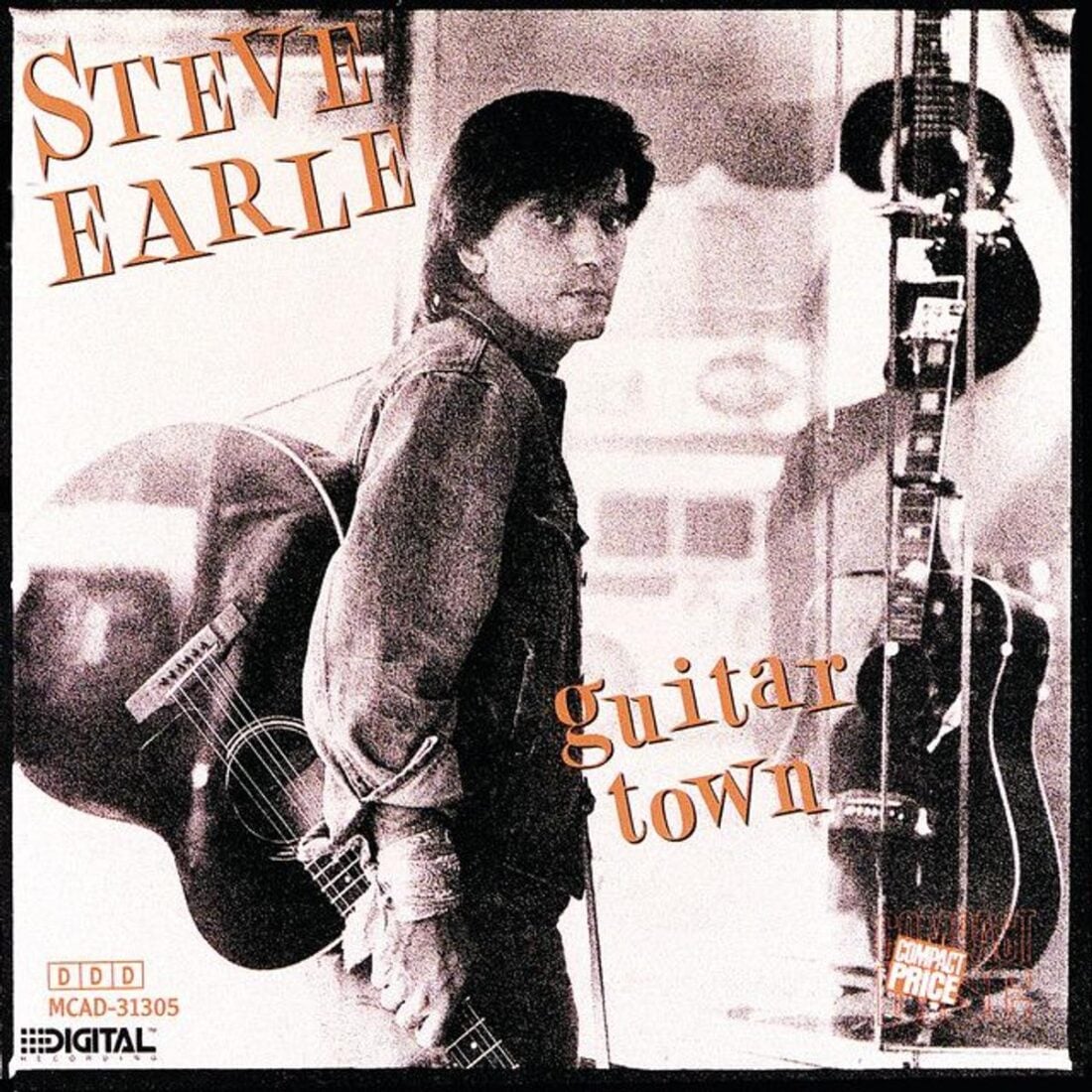
On his debut, Earle fused country storytelling with rock attitude. His songs captured blue-collar life and restless dreamers with raw honesty instead of Nashville polish.
Guitar Town found an audience that wanted country music with sharper writing and a rougher edge.
Plus, the album connected classic country storytelling with the sound that would later feed roots rock and Americana.
37. King Sunny Adé – Juju Music (1982)
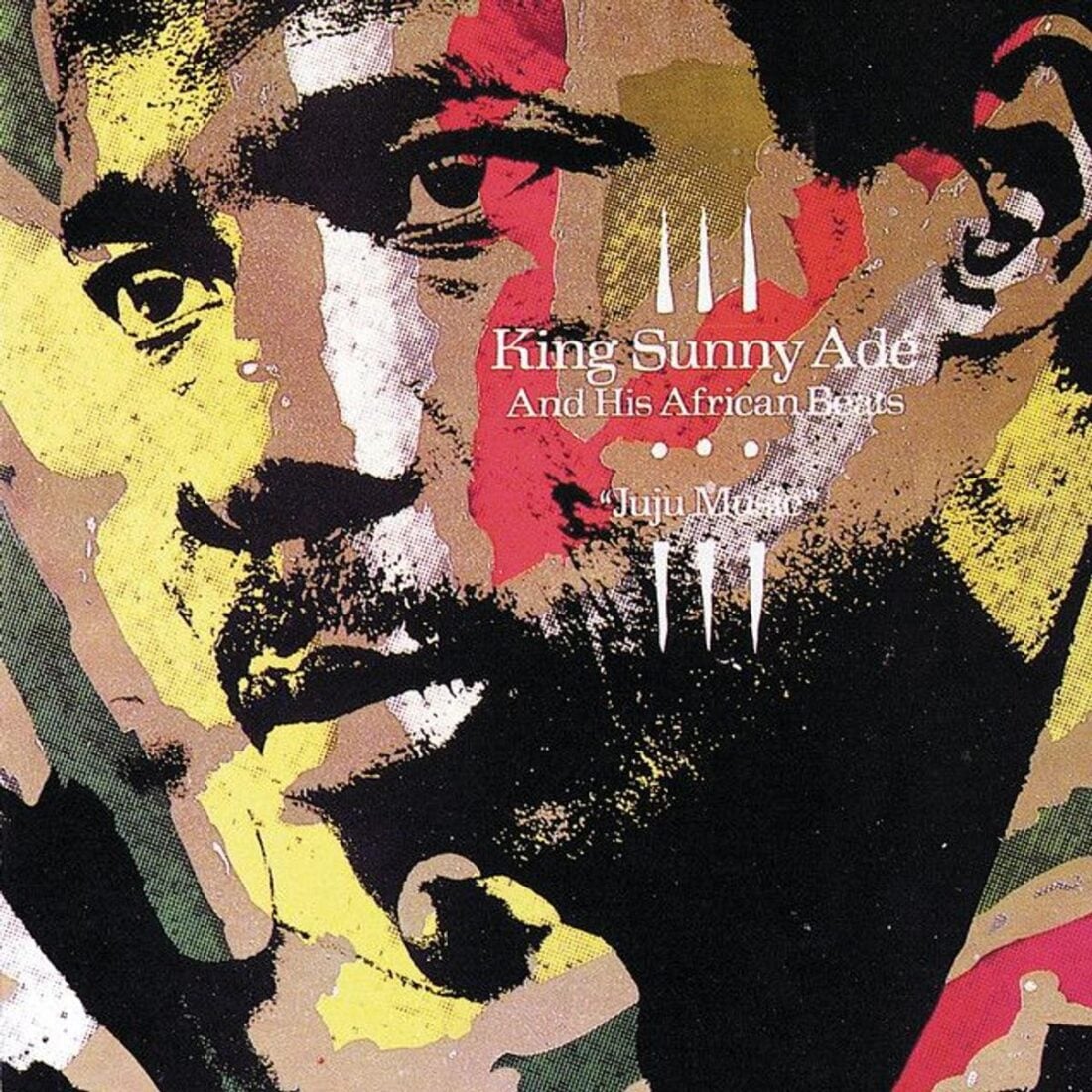
This album introduced many Western listeners to Nigerian juju music. Hypnotic guitar lines, talking drums, and pedal steel guitar create a groove that feels traditional, modern, and easy to sink into.
Its international success became one of the clearest early signs that audiences outside Africa were ready for major releases beyond the usual US and UK pop pipeline. The album expanded what many listeners thought popular music could sound like, and it still feels vibrant decades later.
38. Black Flag – Damaged (1981)

If you want to understand hardcore punk, start here. This record is loud and messy, as well as wired with frustration throughout.
Henry Rollins sounds like he’s clawing his way out of his own skin, and the guitars don’t follow standard logic. They slice and grind and fall apart mid-riff. The songs deal with themes ranging from isolation to mental burnout, but they never feel performative.
Rather than romanticizing rebellion, Damaged captured what it felt like to survive on the edge. That’s what made it one of hardcore punk’s defining albums.
39. Talking Heads – Remain in Light (1980)

Rock music took a bold new direction with Remain in Light. Working with Brian Eno and drawing inspiration from Fela Kuti’s Afrobeat, Talking Heads blended African polyrhythms, funk, electronic textures, and experimental studio techniques. The result sounded unlike anything else at the time.
Songs like “Once in a Lifetime” and “Crosseyed and Painless” balanced hypnotic grooves with adventurous songwriting. The album proved that rock could borrow from different musical traditions without losing its identity.
40. Depeche Mode – Music for the Masses (1987)

By the late 1980s, synth-pop had already become a mainstream force. With Music for the Masses, Depeche Mode gave their electronic sound a darker, larger, and more arena-ready scale.
Songs like “Strangelove,” “Never Let Me Down Again,” and “Behind the Wheel” balanced catchy hooks with rich production and heavy atmosphere.
By the end of the decade, these bigger synth arrangements had pushed the band from cult favorites toward arena status.
41. Kraftwerk – Computer World (1981)
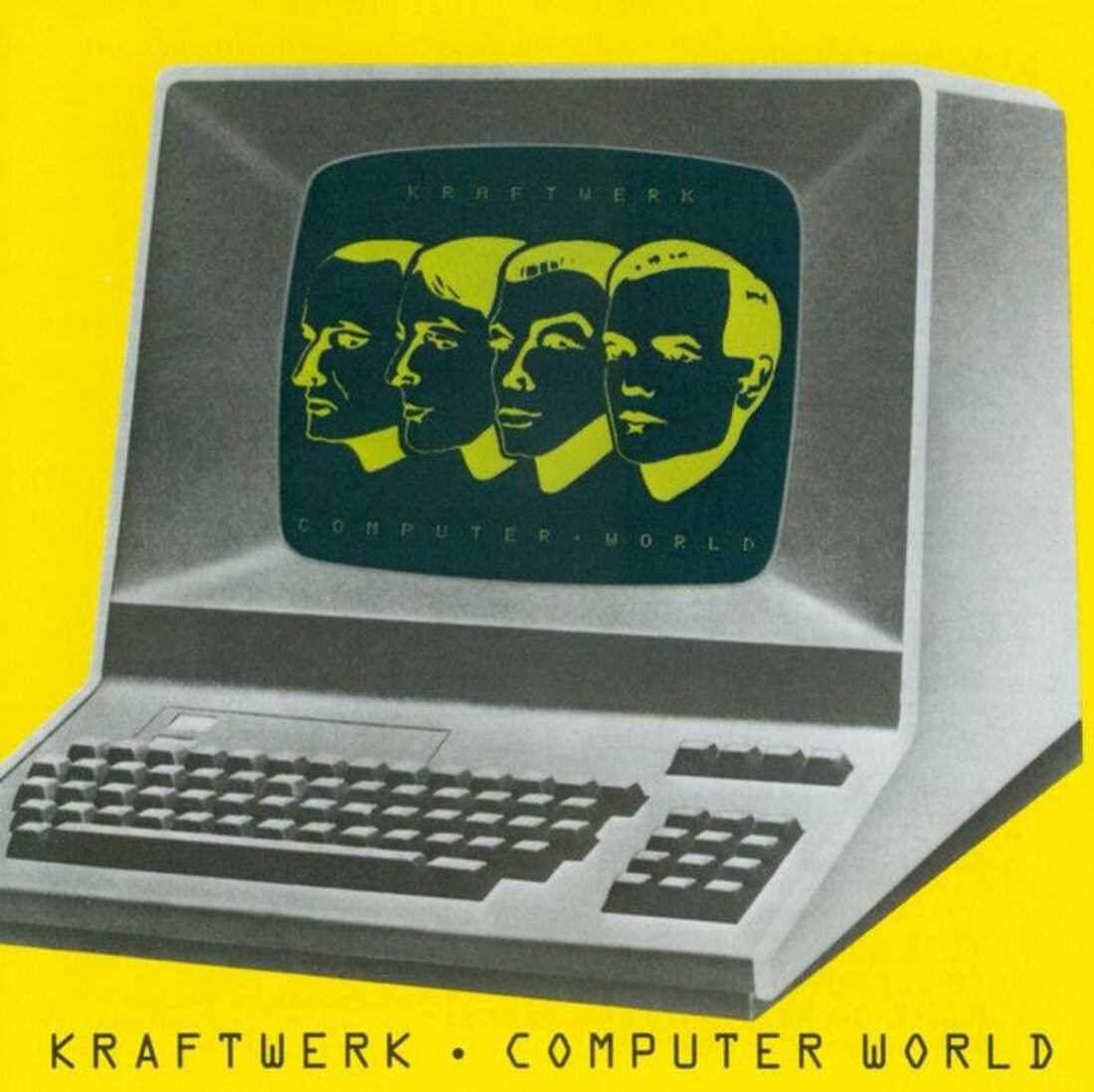
Kraftwerk released this album years before personal computers became common. It centers on digital communication, surveillance, and human interaction with machines, pairing robotic rhythms with melodies that still stick in your head.
Its reach is massive. Computer World gave synth-pop, electro, techno, house, and hip-hop producers a lasting source of clean rhythms, machine-like vocals, and precise electronic hooks.
42. Duran Duran – Rio (1982)

Rio caught the shiny escape-feel of the early MTV era. The peak of New Romantic style, the album mixed catchy pop hooks, Chic-styled funk bass lines, moody synthesizers, and stylish, exotic music videos that set visual looks for the decade.
With time, songs like “Rio,” “Hungry Like the Wolf,” and “Save a Prayer” were regarded as modern classics. Simultaneously, Duran Duran became the perfect ’80s band for a generation.
43. The Cure – Disintegration (1989)

When it comes to The Cure, few will argue if you call Disintegration their best work.
Robert Smith returned to the band’s gloomy roots, but the scale was bigger this time. The songs are filled with rich synths, layered guitars, and vocals that sit deep inside feelings of love, loss, and sadness.
“Plainsong,” “Pictures of You,” and “Lovesong” gave the album its sweep without making it feel overblown. The Cure reached commercial success and critical acclaim at the same time, while still sounding like a band sinking further into its own world.
44. Joy Division – Closer (1980)

As a ghostly last statement from Joy Division, Closer was released shortly after Ian Curtis’s suicide.
Martin Hannett’s spacious production makes the album feel cold, distant, and almost empty in places. The band also leaned more into synthesizers, while Curtis’s lyrics faced isolation and mortality with frightening directness.
The result is one of post-punk’s most haunting records. It carries the weight of a final message, but it also points toward the darker, more atmospheric music that followed.
45. New Order – Power, Corruption & Lies (1983)

New Order refined their mix of post-punk and electronic dance music on Power, Corruption & Lies.
The band was still coming out of Joy Division’s shadow, but the music was already moving somewhere else. Synthesizers and club rhythms became central, while Peter Hook’s high bass lines and Bernard Sumner’s detached vocals kept the emotional distance intact.
“Age of Consent” and “Your Silent Face” show why the record lasted. It found a way to make grief, coolness, melody, and dance music sit in the same room without forcing them together.
46. Kate Bush – Hounds of Love (1985)

A stunning work of art-pop skill, Hounds of Love stands the test of time.
Bush made full use of the Fairlight CMI sampler to build unusual textures and sonic details that still feel distinctive. The record balances accessible singles like “Running Up That Hill” with the ambitious second half, “The Ninth Wave,” a conceptual suite about a woman drifting alone at sea.
The contrast between pop clarity and experimental storytelling gives the album its power. It’s both imaginative and emotionally direct.
47. Tom Waits – Rain Dogs (1985)

A “junkyard band” aesthetic drives Rain Dogs. Unusual instrumentation like marimba, accordion, and scrap metal percussion sits alongside a weathered, gravelly vocal delivery. The songs unfold like short film scenes, filled with strange, vivid characters moving through a surreal urban landscape.
Blues, cabaret, and polka all collide, but nothing feels conventional or predictable. Instead, it’s all filtered through a singular artistic vision. This bold shift reshaped expectations of what songwriting could sound like.
48. Paul Simon – Graceland (1986)

Graceland brought Paul Simon’s American songwriting into direct contact with South African rhythms and musicians.
That mix gave the album much of its lift. Simon’s polished folk-pop writing sits alongside mbaqanga rhythms and vocal contributions from South African artists, giving the record a bright, restless feel that stood apart from most mainstream pop of the time.
The album became a major commercial and critical success, winning Album of the Year at the Grammys.
Its legacy is still tangled with the controversy around recording in apartheid-era South Africa, which keeps the questions around credit, access, and power close to the music.
49. Cocteau Twins – Treasure (1984)

This album turned atmosphere into its own musical language. Elizabeth Fraser’s ethereal vocals often blur into pure sound rather than literal meaning. They float above Robin Guthrie’s shimmering, effects-heavy guitars and Simon Raymonde’s melodic bass lines.
The result is a record driven more by texture and emotion than traditional structure. It feels weightless, intimate, and entirely otherworldly.
50. Talk Talk – Spirit of Eden (1988)

A dramatic break from synth-pop expectations describes Spirit of Eden in a nutshell.
Talk Talk abandoned their earlier radio-friendly sound in favor of long, unfolding compositions built from improvisation, silence, and dynamic shifts between volume and stillness. The music draws from jazz, classical, ambient, and rock. All the while, it refuses to settle into any single style or structure.
The album was commercially risky at the time, but its artistic ambition has since earned it widespread recognition.